Marine Legend Earned Dual Medal of Honor in Combat Service
Major General Smedley Darlington Butler became the only Marine in history to earn two Medals of Honor. His combat record spanned multiple continents and conflicts. Butler fought in China, Central America, and the Caribbean. He earned his first medal in 1914 at Veracruz, Mexico. His second came in 1915 during the Haiti campaign. Few warriors have matched his operational experience and decorated service record.
Why It Matters for Gun Owners
Butler's story defines what Second Amendment defense actually means. He didn't theorize about armed resistance—he executed combat operations across enemy territory. His weapons, tactics, and leadership shaped Marine Corps doctrine that endures today. Gun owners who claim preparedness should study Butler's actual combat methodology, not rhetoric.
Butler also exposed a military-industrial complex decades before Eisenhower named it. He warned Americans about corporate influence on military decisions. His memoir "War Is a Racket" outlined how defense contractors profit from conflict. That message resonates now. Gun owners debate government overreach; Butler lived it and documented it.
His dual medals represent something critical: recognition of extreme competence under fire. Today's concealed carriers pursue training and certifications for defensive readiness. Butler achieved that standard repeatedly, across decades, in actual combat zones.
Background: A Career Built on Combat Excellence
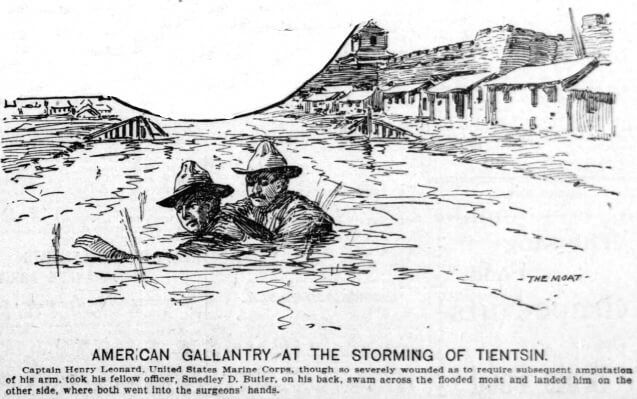
Butler joined the Marines in 1898. He served during the Spanish-American War, Philippine-American War, and Boxer Rebellion. He fought in Nicaragua, Honduras, Panama, and Mexico. Each deployment expanded his tactical experience and command responsibilities.
The 1914 Veracruz campaign earned his first Medal of Honor. Butler led Marines ashore during the occupation. His actions protecting American forces from Mexican defenders demonstrated exceptional courage. He refused to accept the danger as reason to hesitate.
The 1915 Haiti deployment brought his second medal. Butler organized and trained Haitian forces while leading combat operations against armed resistance. His ability to operate independently, build local forces, and execute complex missions distinguished him from peers. He mastered unconventional warfare before it had a name.
Butler rose to Major General, the highest rank possible then. He commanded thousands of Marines across multiple theaters. His leadership philosophy emphasized personal accountability, relentless training, and honest assessment of threats. Officers studied his methods.
After retirement, Butler became a public speaker and author. He criticized corporations that profited from military interventions. He warned against allowing private interests to drive national security decisions. His 1935 book warned about fascism taking root in America. His perspective shifted from pure soldier to skeptical veteran questioning who benefited from warfare.
DownRange Bottom Line
Smedley Butler represents the trained, experienced warrior archetype. Two Medals of Honor mean the highest recognition for combat heroism. His career demonstrates what actual preparedness requires: decades of training, repeated exposure to lethal force, and command experience.
Modern gun owners honor Butler's legacy by pursuing genuine competence—not collecting certifications or gear, but developing actual defensive skills. His warning about military-industrial corruption matters now. His refusal to accept peacetime complacency matters now.
Butler died in 1940. His medals hang in the Marine Corps Museum. His combat record remains unmatched. His warnings about war profiteering remain unheeded. Gun owners serious about constitutional defense should read his work and understand that legitimate Second Amendment purpose means serious preparation, not casual politics.