Suppressor Sales Surge as R&D Investment Accelerates
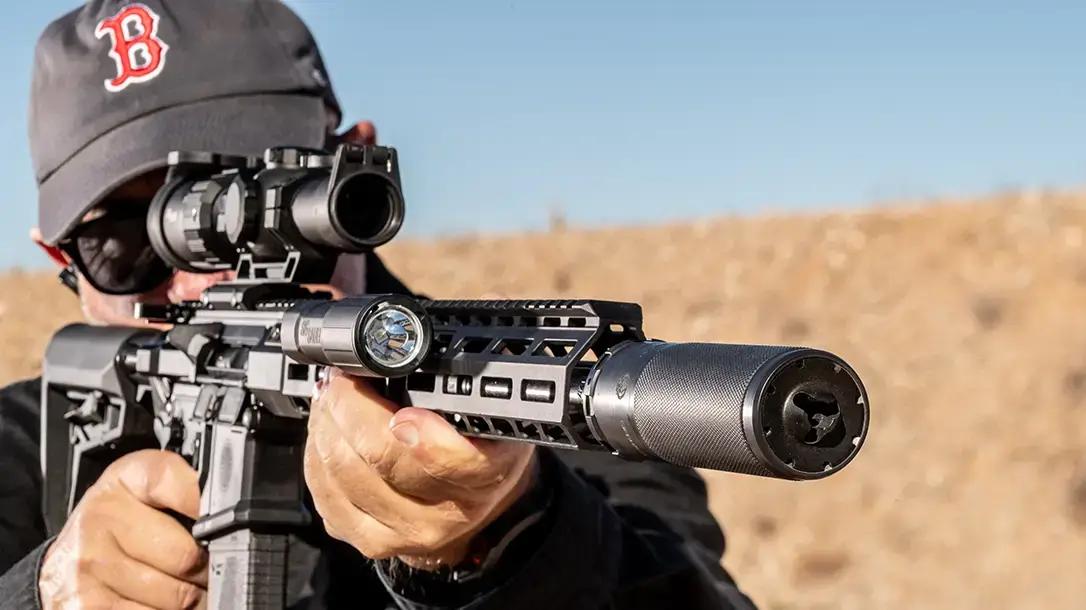
Sound suppressors now represent the fastest-growing segment in the firearms accessory market. Manufacturers are flooding money into research and development, betting that innovation will capture market share from competitors. Major players understand that shooters want quieter, more efficient cans—and they're building them.
The market expansion reflects real demand from gun owners tired of hearing damage and noise complaints. Suppressors are no longer niche accessories for special operations forces. Daily carriers, hunters, and sport shooters are buying them in record numbers. This shift is forcing manufacturers to accelerate product cycles and release new designs every quarter.
Companies are filing patents for novel baffle designs, lighter materials, and modular systems. Some manufacturers now offer titanium and aluminum options that cut weight without sacrificing sound reduction. Others focus on quick-detach mechanisms that work across multiple hosts. The competition is fierce, and innovation is measurable.
Why It Matters for Gun Owners
More manufacturers entering the suppressor market means better options and lower prices. Competition drives innovation down the supply chain. You get better quality cans at price points that five years ago seemed impossible.
The proliferation of designs also means better matching to your specific firearm. Need a can for your 9mm PCC? You have dozens of choices. Running a .308 bolt gun? The options span from budget to premium. This variety lets you pick exactly what fits your mission without compromise.
Faster development cycles mean you're not stuck with yesterday's technology. Manufacturers now drop new products based on direct feedback from shooters. You see real improvements: better first-round pop reduction, easier cleaning, more durable materials.
The market growth also supports NFA reform conversations. When suppressors are everywhere and clearly beneficial for hearing protection, the political narrative shifts. More shooters with cans in their safes equals more voters who understand the technology and demand policy change.
Background
Suppressors have existed for over a century, but consumer adoption remained limited until the last decade. Laws varied by state, NFA tax stamps stayed at $200, and the cultural perception was tied solely to tactical operations.
That changed. European hunters use suppressors routinely—they're considered hearing safety devices. American shooters started comparing notes and realized the benefits extended beyond noise reduction: less recoil impulse, better follow-up shots, hearing preservation.
The COVID-era ammunition shortage paradoxically boosted suppressor sales. Shooters with existing firearms looked for upgrades instead of buying new guns. Suppressors topped many wish lists. Manufacturers saw this trend and invested accordingly.
Today's suppressor market includes everything from single-chamber designs to modular stacking systems. Materials range from steel to titanium. Prices span from under $300 to over $1,000. This diversity reflects genuine engineering improvements and manufacturer specialization.
DownRange Bottom Line
The suppressor market is here to stay. Manufacturers will keep investing because demand is real and growing. That means better products reaching you faster and cheaper than ever.
If you've been on the fence about adding a can to your setup, the current selection offers something for every caliber and mission. The market expansion benefits all of us: better technology, more choices, and a louder political voice advocating for suppressor ownership rights.
Watch for modular systems and titanium options to dominate 2024 releases. Expect more manufacturers to enter the market. And plan accordingly—good cans stay in stock for shorter periods as demand accelerates.