Factory 22 Creedmoor Ammunition Now Available After Years as Custom Cartridge
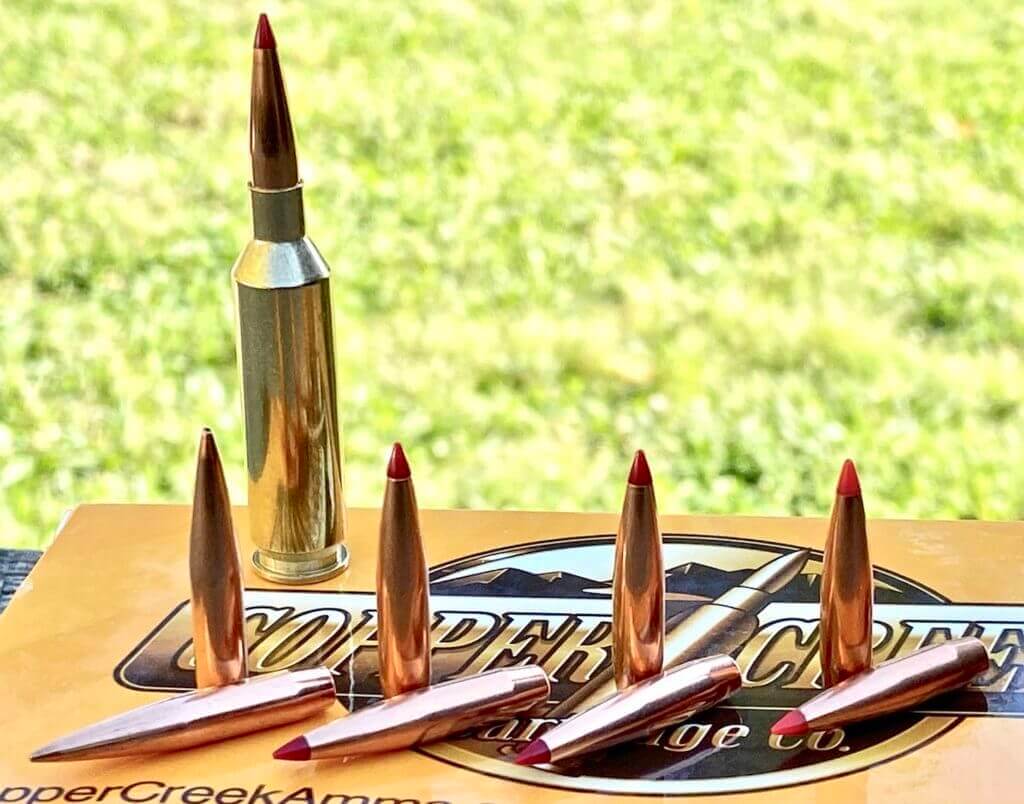
The 22 Creedmoor has shed its wildcat status. Major ammunition manufacturers now produce factory loads for this flat-shooting, low-recoil cartridge that launched from custom builds into legitimate production. Shooters who built their own 22 Creedmoor uppers and bolts can finally buy loaded ammunition off the shelf.
The cartridge launches heavy .224 bullets at velocities exceeding 3,700 feet per second. A 77-grain match-grade bullet leaves the muzzle faster than 5.56 NATO while generating minimal recoil. Wind deflection at 1,000 yards stays measured in inches rather than feet. First-round hits on steel targets become routine for shooters running proper glass and solid fundamentals.
Factory ammo brings standardization to the platform. Custom loads varied between gunsmiths and builders, creating accuracy inconsistencies. Shooters chasing tight groups now benefit from quality control that factory production demands. Barrel life extends beyond what many expected—testing shows brass stays consistent across multiple reloadings without excessive bolt thrust or pressure spikes.
Why It Matters for Gun Owners
The 22 Creedmoor fills a specific niche that neither 6.5 Creedmoor nor 5.56 NATO fully address. Precision rifle competitors have adopted it for PRS matches where 1,000-yard stages demand flat trajectories and minimal wind calls. Long-range hunters find the .224 bullet diameter deadly on varmints and medium game while keeping recoil gentle—critical for younger shooters learning proper shooting positions.
Factory ammunition means lower entry costs. Shooters no longer need custom loading equipment or wildcat brass conversion knowledge. New shooters can build or purchase a factory-spec 22 Creedmoor upper and start shooting immediately. No more ordering specialty brass from overseas or waiting months for custom ammunition.
Ammunition availability drives platform adoption. When shooters can walk into gun shops and find loaded 22 Creedmoor rounds on shelves, the cartridge stops feeling niche. Manufacturers build firearms chambered in factory-supported calibers. The 22 Creedmoor crossed that threshold in 2024.
For daily carriers and defensive shooters, the 22 Creedmoor remains irrelevant—it belongs in precision rifles and competition rigs. But for precision-focused shooters who demand flat-shooting accuracy at distance, factory support changes everything. Training ammunition costs drop. Hunting trips become simpler. Match day preparation eliminates guesswork about ammunition consistency.
Background
The 22 Creedmoor emerged from the wildcat scene roughly a decade ago. Gunsmiths necked down 6.5 Creedmoor brass to .224 diameter, then worked up loads that pushed .224 bullets to velocities previously impossible in short-action rifles. Early adopters built AR-10 uppers chambered in the cartridge, discovering that modern match-grade bullets handled the velocity without premature failure.
Precision rifle competitors noticed immediately. The flat trajectory and low recoil meant fewer wind calls and faster follow-up shots. PRS series shooters began running 22 Creedmoor rifles at major matches, racking up top finishes. Success breeds attention. Major ammunition makers began testing the cartridge for commercial viability.
Factory ammunition changes the equation entirely. Standardized loads mean predictable ballistics. Shooters spend time perfecting technique rather than perfecting powder charges. Barrel manufacturers now produce factory-chamber reamers. Bolt companies machine 22 Creedmoor breech blocks. The infrastructure of a legitimate cartridge now exists.
DownRange Bottom Line
The 22 Creedmoor transitioned from custom project to factory cartridge in 2024. Shooters chasing distance accuracy now have legitimate ammunition options without custom loading. For precision rifle enthusiasts and competitors, factory support means this flat-shooting, low-recoil cartridge becomes genuinely accessible. Build your upper. Buy factory ammo. Send bullets downrange.