.223 Remington Dominates U.S. Rifle Market—Here's Why
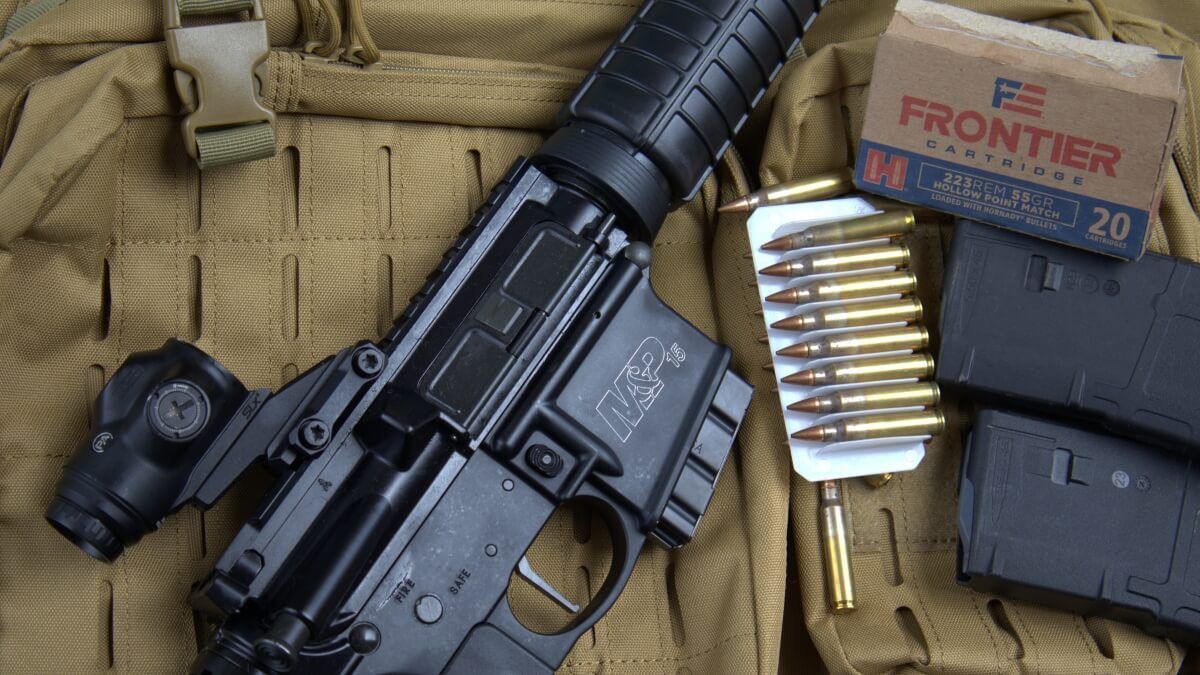
The .223 Remington holds the title of most popular centerfire cartridge in America, a position it earned through military adoption and AR-15 proliferation. Born from Cold War-era military requirements, the round transitioned from military service rifles into the civilian market where it became the default choice for everything from target shooters to hunters. Its grip on the American shooting public shows no signs of weakening.
Key Details
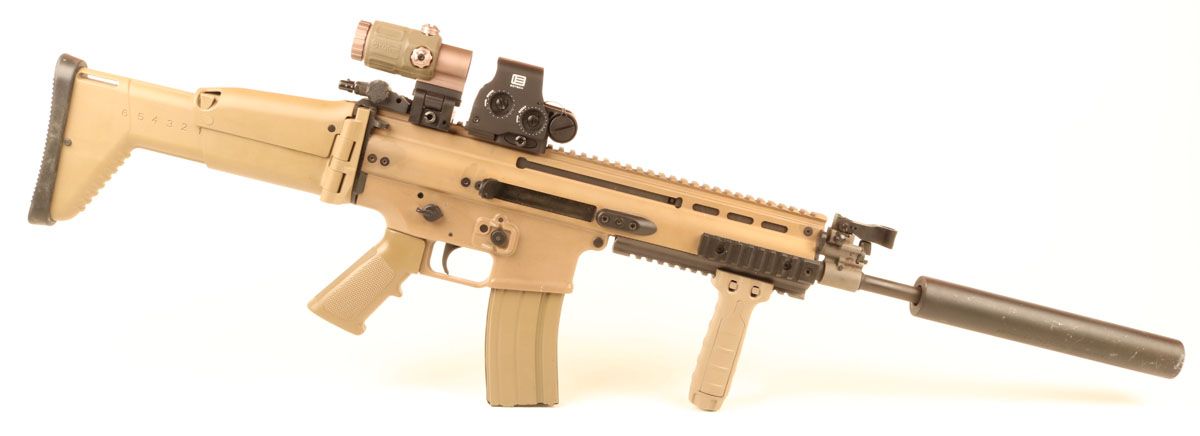
- The .223 Remington originated as a military cartridge during Cold War development cycles
- The AR-15 platform became the primary vehicle for civilian adoption and market saturation
- Low recoil impulse makes the round accessible to shooters across skill levels and body types
- Ammunition availability remains consistent due to massive manufacturing capacity and demand
- Rifle variety in .223 exceeds all competing centerfire calibers combined
Why It Matters for Gun Owners
If you own a centerfire rifle—whether you hunt, compete, or run a defensive carbine—ammunition logistics directly impact your training budget and field readiness. The .223 Remington's cost advantage over larger calibers like .308 Winchester or 6.5 Creedmoor means more trigger time for the same dollar. Platform diversity matters: you can source barrels, uppers, complete rifles, and ammunition from dozens of manufacturers nationwide. Supply chain fragmentation works in your favor. Recoil management means faster shot placement and easier follow-ups, particularly relevant for defensive situations. If you're new to centerfire shooting, the .223 offers the lowest entry barrier in terms of flinch control and shooter fatigue.
DownRange Analysis
The .223 Remington's market dominance reflects rational economics, not trend-chasing. Military standardization created manufacturing infrastructure that civilian demand couldn't break even if it tried. Ammunition manufacturers have zero incentive to shift production away from a round with proven demand and thin margins. The AR-15 ecosystem means competition drives innovation and price down simultaneously—a dynamic that benefits shooters and hurts neither the round nor the platform. Expect the .223 to remain the reference standard for at least the next decade. Gun owners should stockpile brass and dies now; reloading becomes increasingly valuable as centerfire ammunition costs creep upward.