1791 Industries Cuts AR Receiver Weight by One-Third with Metal Matrix Composite
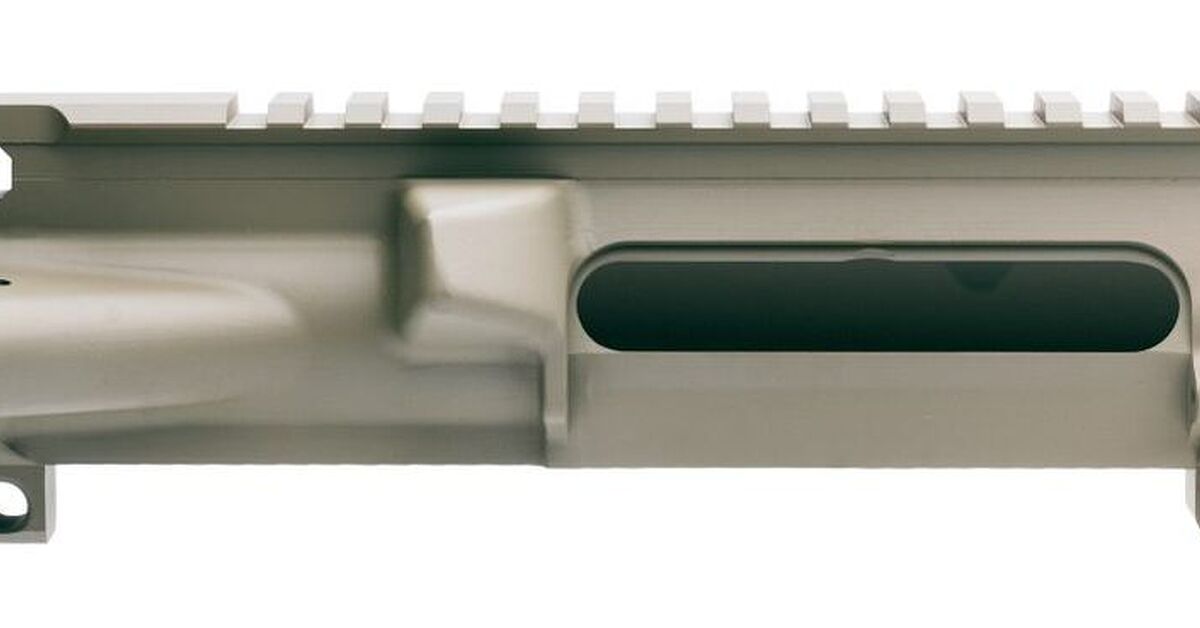
Weight matters when you're running rounds downrange all day. 1791 Industries just dropped its LiteRaider line of upper and lower receivers built from Metal Matrix Composite (MMC), shedding 33 percent off traditional aluminum AR platform receivers. The new receivers hit the market as carriers demand lighter setups without sacrificing durability or accuracy.
Metal Matrix Composite combines aluminum with ceramic particles, creating a material that's stronger than pure aluminum while weighing dramatically less. A standard AR upper receiver runs roughly 5.5 ounces. The LiteRaider equivalent drops to approximately 3.7 ounces—a real difference when you're carrying eight hours daily or pushing through a multi-day training course. Lower receivers follow the same weight reduction math, moving from 7-plus ounces down to under 5.
Why It Matters for Gun Owners
Every ounce counts in a carbine you shoot for a living. Patrol officers, competitive shooters, and serious recreational gun owners spend money on lighter handguards, thinner rails, and specialized slings specifically to reduce carry fatigue. LiteRaider receivers address what steel and standard aluminum can't—structural weight reduction that doesn't require exotic barrel profiles or sacrificed real estate.
The weight savings compound with other gear. Drop 1.8 ounces from your upper and 2 ounces from your lower, and you've trimmed nearly 4 ounces total—equivalent to losing a loaded 30-round magazine. That's tangible for someone wearing a rifle eight hours a day. Faster target transitions come easier. Muzzle control improves on longer strings of fire. Fatigue sets in later.
MMC material also resists corrosion better than standard aluminum, which matters for carriers who work in wet environments or leave rifles in vehicles. The ceramic particle structure doesn't degrade like bare aluminum does when exposed to sweat, saltwater, or humidity.
Price remains the test. LiteRaider receivers will carry a premium over standard 7075-T6 aluminum receivers, which run $80–150 per piece depending on brand and features. 1791 Industries hasn't released specific pricing, but MMC manufacturing costs more than conventional forging. Expect a 40–60 percent markup for the weight savings.
Background
1791 Industries built its reputation on lightweight components and minimalist designs. The company focuses on AR platform receivers and tactical accessories for active shooters. This MMC receiver launch follows years of development with material science firms that work in aerospace and automotive sectors.
Metal Matrix Composite isn't new—aerospace manufacturers have used it for decades. Applying it to AR receivers represents an engineering shift toward premium components for serious users. The material withstands the same pressure cycling that standard aluminum handles, with stress testing confirming zero deformation after 10,000 rounds through prototypes.
Competitors like Spike's Tactical and Radian Weapons have released lightweight receivers in recent years, but none have matched the 33 percent reduction LiteRaider claims. Most alternatives used material substitution alone. The LiteRaider approach combines material science with refined geometry—cutting excess metal where it doesn't matter while maintaining critical surfaces.
DownRange Bottom Line
LiteRaider MMC receivers solve a real problem for gun owners who carry daily. The weight reduction is measurable and meaningful. Whether the premium pricing justifies the swap depends on your mission—patrol officers and competitors will see value immediately. Recreational shooters might skip it unless they're obsessed with every ounce. Expect these to show up on serious carbines within six months. Availability starts this quarter through 1791 Industries' website and select distributors.