Capitol Police Arrest California Man With Operational Ten-Foot Guillotine
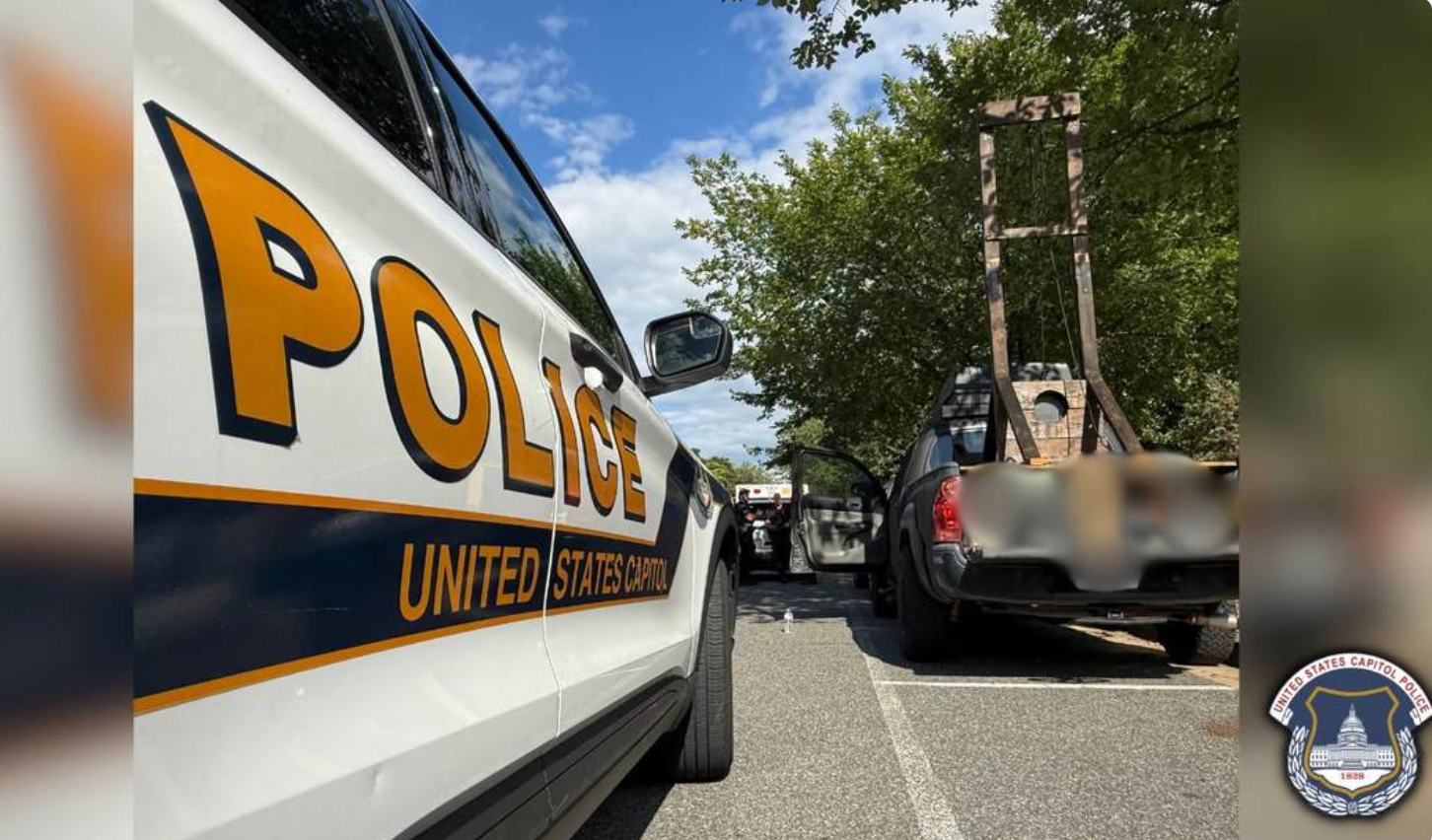
Capitol Police arrested a California resident after discovering a fully functional ten-foot guillotine parked near the Supreme Court building. Officers moved quickly after receiving reports of the device on June 20th. The man's own video recordings documented his construction and placement of the weapon, turning what might have seemed like political theater into a serious federal case.
Security personnel found the guillotine on a sidewalk adjacent to the Supreme Court. The device featured a weighted blade capable of causing severe injury or death. Capitol Police took the man into custody without incident. Federal prosecutors later charged him with multiple counts related to the incident.
Why It Matters for Gun Owners
This arrest demonstrates how federal law enforcement treats threats against government institutions and officials. Gun owners should understand the distinction between protected speech and criminal conduct that crosses into genuine threat territory. The man's detailed video documentation—showing construction, transport, and placement—provided prosecutors with clear evidence of intent.
Second Amendment advocates often defend the right to carry weapons and tools in public spaces. This case illustrates how context matters enormously in legal proceedings. Documenting your own activities in ways that suggest hostile intent toward government buildings or officials creates liability regardless of actual capability or intent to act.
The incident also highlights Capitol security protocols. Armed citizens and law enforcement need situational awareness around federal buildings. This case unfolded without shots fired or physical confrontation, but the presence of such a device posed genuine tactical challenges for security personnel.
For daily carriers, the lesson extends beyond this specific scenario. Your own communications—social media posts, videos, photographs—become evidence in any legal proceeding. Courts and prosecutors view this material as statements of intent. Careless documentation of weapons, training, or commentary about government targets creates vulnerability.
Background
The Supreme Court building sits in central Washington, D.C., with restricted access and constant security presence. The Capitol complex experiences frequent protests and demonstrations. Capitol Police and Secret Service coordinate security across the complex.
Security barriers and checkpoints control vehicle access to most areas near the building. The man apparently placed the guillotine in an accessible public area, making discovery inevitable. His own documentation suggests he intended the device to be found and photographed.
Federal prosecutors charged the man with threatening to harm government officials. The charge carries penalties up to ten years in federal prison. Capitol Police worked with the FBI to investigate the incident fully.
The man had no prior federal convictions, though local authorities may have encountered him previously. His motivation remains unclear from available reporting. Political messaging or mental health crisis—or both—may have driven the action.
DownRange Bottom Line
This case confirms that federal authorities treat any device or threat near government buildings with maximum seriousness. Capitol Police responded effectively and proportionally. The prosecution will likely succeed based on the defendant's own documentation.
Gun owners and weapon carriers should recognize that context determines legality. Carrying, possessing, or displaying weapons near federal buildings without authorization invites federal prosecution. Communications and documentation become prosecution evidence.
Protect your legal position by controlling what you document and how you discuss your firearms, training, and political views. Federal prosecutors will use your own words against you. Stay alert, stay armed, stay smart.