Alaska Dem Chair Defends Ballot Stacking: Bring a Gun to a Gunfight
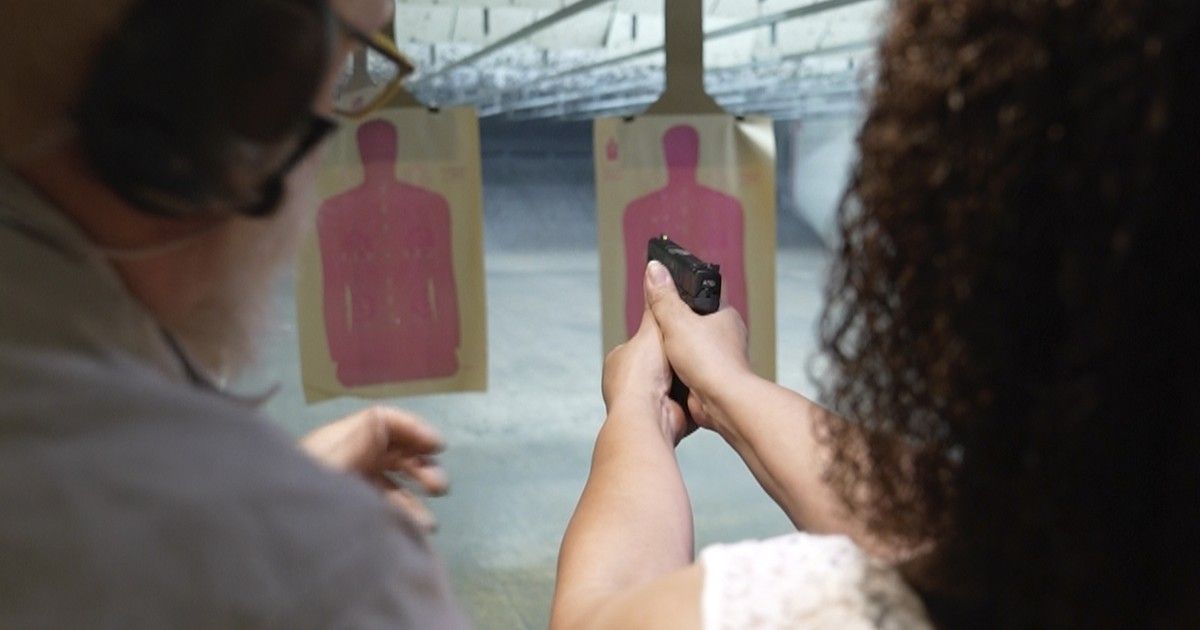
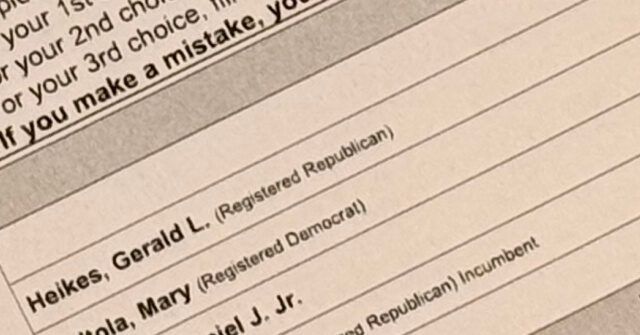
Alaska Democratic Party Chair Eric Croft told CNN’s Situation Room on Friday, October 30, 2026, that he sees no legal problem with ballot stacking in the state’s U.S. Senate race. Ballot stacking means placing a candidate with a similar or identical name on the ballot to pull votes from a rival. Croft said Alaskans “know to bring a gun to a gunfight” and want elected officials to use every tool they have. Pressed by co-host Pamela Brown on whether he supports the tactic, Croft said he does not share the outrage. He called running a jailed New York man who threatened to blow up elected officials “disgusting.”
Key Details
The exchange took place on the Friday broadcast of CNN’s Situation Room. Croft’s comments centered on the ballot stacking controversy in Alaska’s U.S. Senate race. The key points from the interview:
- No legal issue: Croft said the practice raises no legal problem.
- Gunfight comparison: He said Alaskans “know to bring a gun to a gunfight” and expect candidates to take a fight seriously.
- Voter concern: Croft said Alaskans’ biggest worry is being left off the maps, and that they want representatives to “push hard and use every tool they’ve got.”
- Outrage gap: He said he does not hear the level of outrage the network described.
- Jailed candidate: He called running a New York man jailed for threatening elected officials “disgusting.”
- Name dispute: Croft joked about a fight to remove “Petersburg Dan” from the ballot, which he framed as a contest between two men both called Dan.
Croft did not say whether he personally backs the tactic. He deflected Brown’s direct question with a remark about what Alaskans find funny around a coffee table.
Background
Ballot stacking is an old political tactic. Campaigns or allies recruit a candidate with a name close to a rival’s, hoping voters who skim the ballot will pick the wrong person. Election officials and courts have long treated it as a legal gray area, since candidates generally have the right to file if they meet the filing requirements. Critics call it a dirty trick. Defenders argue that voters are responsible for reading the ballot.
Alaska’s election system has changed in recent years. The state adopted a top-four primary, which advances the four highest vote-getters regardless of party to the general election. That structure puts more names in front of voters, which makes ballot design and candidate placement matter more. Crowded fields and similar names create confusion in a state where many voters vote by mail and mark ballots without a campaign flyer in hand.
Why It Matters for Gun Owners
Gun owners should care about this for a simple reason: Senate seats decide the federal firearms agenda. Every confirmed judge, every ATF director, and every committee chair shapes what happens to the Second Amendment. If a ballot trick shifts a close race, the downstream effect reaches your rights, not just the party scoreboard.
Alaska has one of the highest rates of household gun ownership in the country, and hunting and sport shooting are part of daily life across the state. Voters there know firearms policy better than most. That makes the “gunfight” line more than a throwaway. Expect it to show up in opposition research, campaign ads, and talk radio.
If you vote in Alaska, check the candidate list on the Division of Elections website before you fill out the ballot. Read every name, party affiliation, and office. If you volunteer or donate, know which candidate you support by name and address. Do not assume a name match means a mistake, and do not assume it means a plot. Confirm the facts first.
DownRange Analysis
Croft’s remarks are rhetoric, not law, and the gunfight line works because gun owners instantly recognize the phrase. But the comparison cuts both ways. A party chair who says voters expect candidates to bring a gun to a fight is telling you how his side sees the political battlefield. Take him at his word.
Does ballot stacking survive Bruen-style scrutiny? That question does not apply here. Bruen governs firearms regulation under the Second Amendment, not ballot access. The constitutional issues in Alaska’s race involve election law and candidate filing rules, not carry rights.
What should a gun owner do right now? Read the full transcript before you repeat the clip. Verify who is on your ballot. Vote with the Second Amendment in mind, and remember that the Senate seat in play will shape the judges who decide your next gun case.