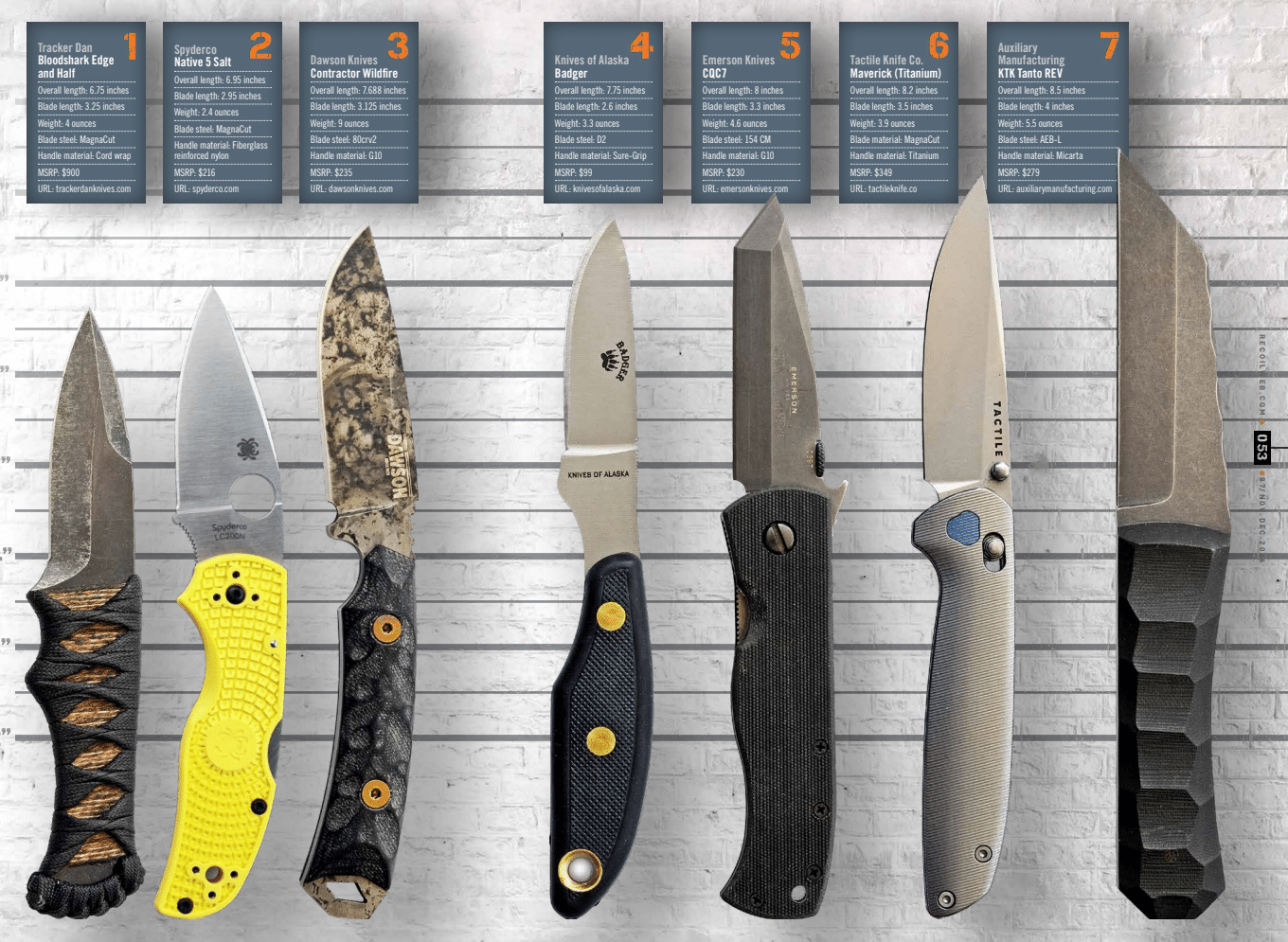
RECOIL Takes Its America 250 Blade Series to the Southwest
RECOIL's second America 250 installment moves into the Southwest deserts. The teaser promises a look at American-made knives from that region. The published excerpt does not name specific makers, models, or prices, so readers should check the full feature for those details.
The series rides the semiquincentennial, the 250th anniversary of American independence on July 4, 2026. Outdoor media has leaned on the milestone for a run of patriotic product features. Knives fit the theme well. American cutlers made the working tools that settled this country.
Why It Matters for Gun Owners
Most carry guys already own a folder or fixed blade. Many of those knives were made overseas. A Southwest feature that spotlights domestic makers gives buyers a reason to look closer at where their knife came from.
Domestic knifemakers often publish their steel choices, heat treatment, and warranty terms. That transparency helps buyers compare value. A knife you trust in the field should come from a company that stands behind it.
Desert conditions also test knives hard. Heat, dust, and sun exposure can degrade some handle materials over time. Stabilized wood, G10, and Micarta hold up better than many natural materials under those conditions. Owners who hunt, hike, or work in the Southwest should weigh handle durability as heavily as blade steel.
Background
American knifemaking runs deep in the Southwest. Frontier demand for hunting, skinning, and camp knives shaped a generation of local craftsmen. Many worked in small shops, forging and grinding by hand. Their techniques still influence modern makers.
Blade steel has changed a lot since those early days. Makers now choose from a wide range of stainless and tool steels. Common options include 154CM, CPM-S35VN, and CPM-3V, each offering a different balance of edge retention, toughness, and corrosion resistance. Buyers should match the steel to their actual use. A pocket knife for light EDC work does not need the same properties as a heavy chopper for brush clearing.
Blade length and grind geometry matter too. A thin, high-hollow grind slices well but can chip if abused. A thicker, flatter grind stands up to prying and batoning. Many Southwest makers build knives aimed at ranch, field, and trail use. Those users need tools that handle rough work without fuss.
The series also gives smaller shops national exposure. Independent makers rarely get featured in mainstream gun and outdoor coverage. Each feature sends buyers toward makers who otherwise depend on word of mouth and local craft fairs.
DownRange Bottom Line
Read the full RECOIL piece for the names, models, and price points. Then check each maker's steel specs, warranty, and return policy before you buy. A domestic knife with a clear warranty beats a fancy overseas blade with no support behind it.
American-made blades deserve a place in your carry rotation. The Southwest has a long record of building tough tools for hard country. Pick one that fits your work, carry it often, and keep it sharp.