Brooklyn Gun Buyback Nets 191 Guns; Crime Data Tells Different Story
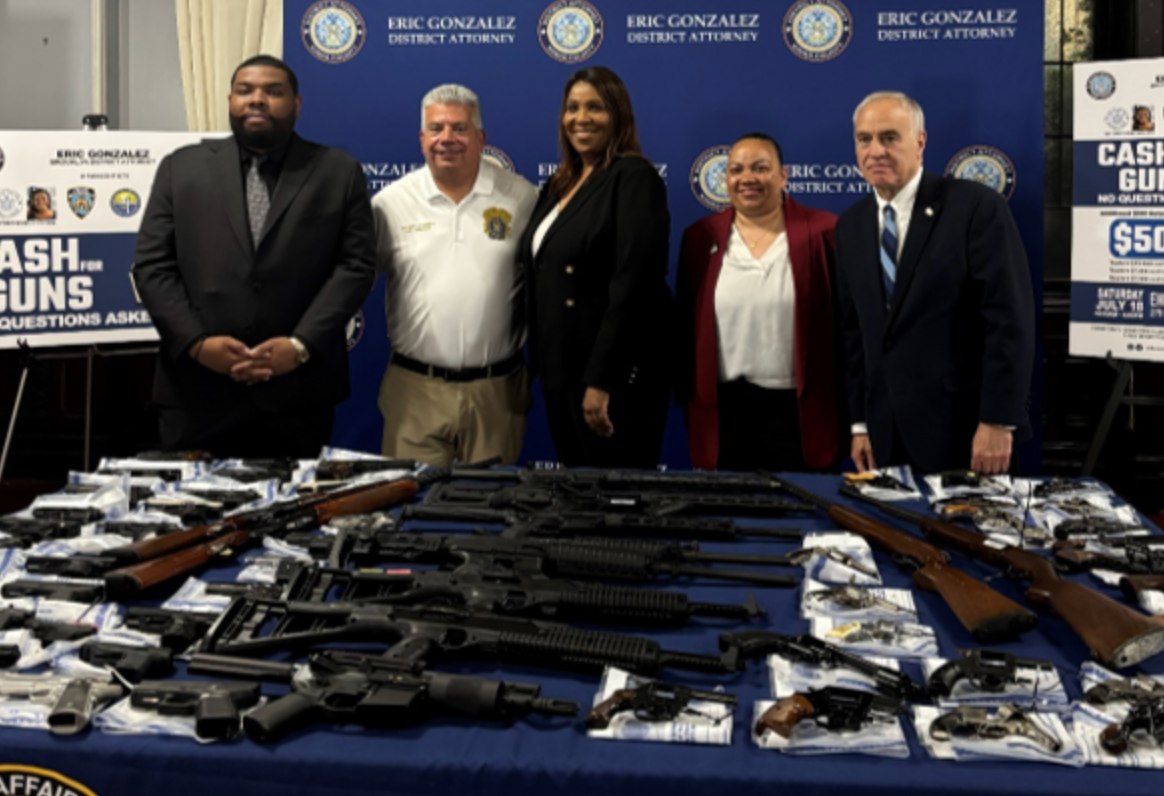
New York City officials celebrated a gun buyback program in Brooklyn that collected 191 firearms, claiming the initiative would improve neighborhood safety. The announcement came as part of a broader anti-gun messaging campaign by city leadership. However, peer-reviewed research on similar programs reveals they correlate poorly with measurable reductions in homicide, armed robbery, or violent crime in target areas.
Key Details
The Brooklyn buyback collected 191 total firearms. City officials framed the program as a public safety tool, positioning it alongside rhetoric about reducing gun violence. No details were provided on the types of firearms collected, their operational status, or whether any were stolen or illegally possessed prior to surrender. The buyback operated on a standard no-questions-asked model typical of such programs.
Why It Matters for Gun Owners
Buyback programs matter to gun owners for one critical reason: they set the policy template that gets replicated nationwide. When a city like New York claims success with a 191-gun haul, that narrative travels to state legislatures and Congress, driving funding requests for mandatory buybacks tied to future gun bans. The research gap is enormous. Studies from UC Davis, RAND Corporation, and the RAND Summaries on Gun Violence Prevention consistently find no statistically significant relationship between voluntary buybacks and crime reduction. Yet politicians continue funding them, redirecting resources from enforcement against actual violent offenders. Gun owners should track these programs in their states—not because 191 guns matter, but because the rhetoric supporting them does.
DownRange Analysis
New York's buyback announcement is performative policy masking deeper failures. The state has a major crime problem rooted in catch-and-release prosecution, gang violence, and drug trafficking—none of which a buyback addresses. Voluntary programs only attract lawful gun owners and broken firearms; criminals retain working guns. The real story: New York spent resources and political capital on a program designed to generate headlines, not reduce homicides. Gun owners should demand accountability. Ask your representatives: What crime metrics actually changed? How much did this cost per firearm? Why no data on whether a single violent offender was arrested as a result? If buybacks worked, major cities running them for decades would show measurable crime drops. They don't. That silence is the data.