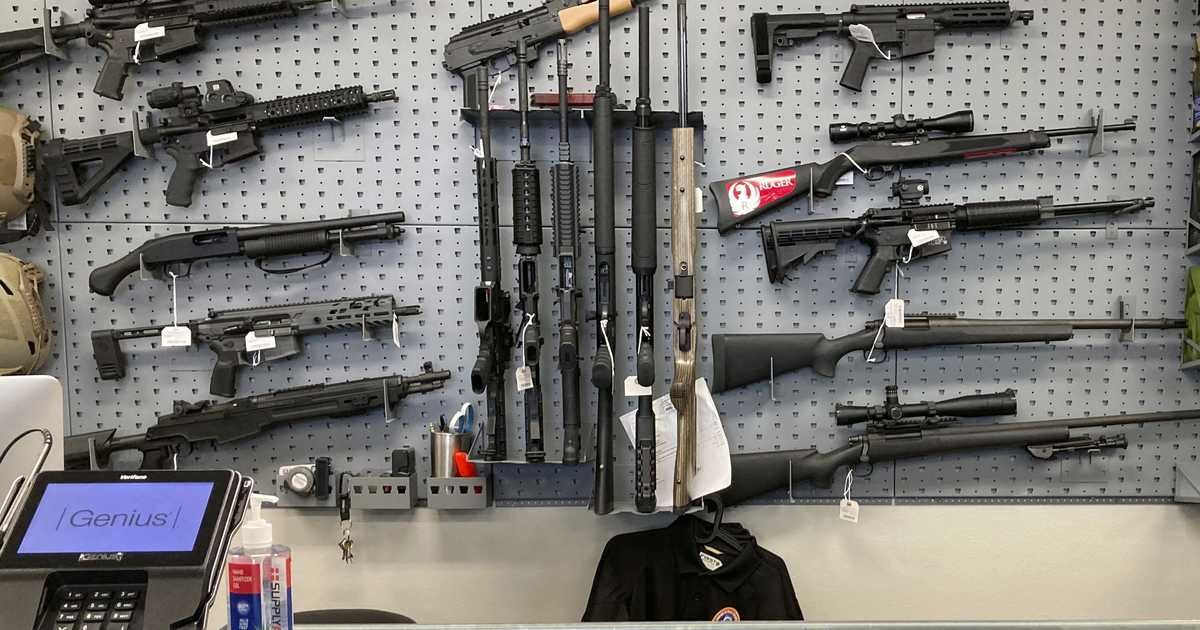
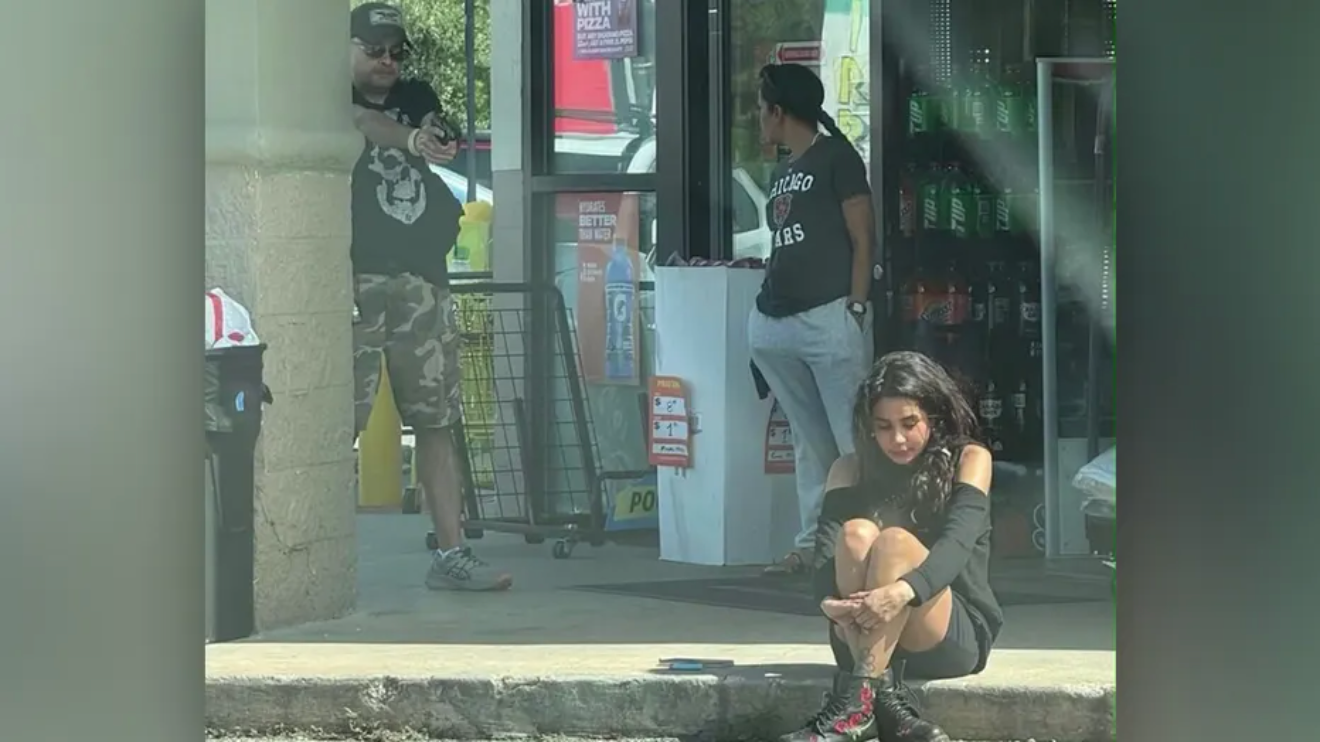
Jonathan Tijerina Painted 9/11 Names, Now Faces Criminal Mischief
Police arrested Jonathan Andrew Tijerina, 31, after he allegedly sprayed red paint across the bronze name panels at the North Pool of the National September 11 Memorial in Lower Manhattan. The vandalism happened around 5 p.m. on Monday, October 26. The paint displayed the web address of his gun-control group, JustStopKillingKids.com. Officers charged him with criminal mischief, making graffiti, and possession of graffiti instruments. A judge released him under supervision because the charges were not bail-eligible. The memorial lists the names of 2,983 people killed in the September 11, 2001 attacks and the February 26, 1993 World Trade Center bombing.
Key Details
The case rests on a few concrete facts, and they are worth knowing before anyone repeats the story.
- Suspect: Jonathan Andrew Tijerina, 31.
- Location: Bronze panels surrounding the North Pool, National September 11 Memorial, Lower Manhattan.
- Time: About 5 p.m., Monday, October 26.
- Charges: Criminal mischief, making graffiti, possession of graffiti instruments.
- Evidence: A memorial security officer reportedly found him carrying two cans of red spray paint matching the graffiti.
- Video: Clips posted to the group’s Instagram account allegedly show him removing a spray can from a bag and writing across several panels. He then identified himself on camera and admitted the act.
- Cleanup cost: $560.64.
- Next court date: January 13, 2027.
Crews removed the paint quickly. Officials reported no permanent damage. The 9/11 Memorial & Museum said the site was restored to its commemorative condition. A teenage visitor from the United Kingdom told CBS New York that officers made the arrest in under a minute. Tijerina’s group describes itself as a civil-resistance movement that backs universal background checks and a national gun registry. After the arrest, the group said the stunt aimed to draw the attention of President Donald Trump and New York City Mayor Zohran Mamdani.
Background
The National September 11 Memorial opened on the World Trade Center site in 2011. Its two reflecting pools sit inside the footprints of the original towers, and the victims’ names are engraved on bronze parapets around the pools. The memorial also honors the six people killed in the 1993 bombing, which makes the name panels a sensitive target for any protest. Federal law already requires licensed dealers to run background checks on most retail sales, a requirement that took effect with the Brady Act in 1994. Universal checks would extend that requirement to private transfers, which is the policy Tijerina’s group wants. A national gun registry runs into a separate barrier. The Firearms Owners’ Protection Act of 1986 bars the federal government from creating a registry of firearm owners. Any push for a registry therefore requires either repealing that provision or pursuing it through state law. The Supreme Court’s 2022 decision in New York State Rifle & Pistol Association v. Bruen also reshaped how New York’s licensing regime gets reviewed, placing the burden on the state to justify firearm restrictions with historical analogues.
Why It Matters for Gun Owners
Every gun owner in New York feels the fallout first. Reporters and commentators will tie this arrest to the broader gun-rights community, even though one man acted alone. Expect opponents to cite the incident when they argue for registration or tighter background checks. Stay ready for that conversation. Know the difference between a legitimate policy argument and a crime. The people who will feel the heaviest consequences are licensed carriers, many of whom already navigate New York’s restrictive permit process. Anyone who visits the 9/11 Memorial should leave firearms at home. New York City does not allow carry in that setting for most permit holders, and a single misstep can turn a visit into a felony case. Watch how prosecutors frame the charges and whether the state pursues a sentence that reflects the damage to a federal-level memorial. Those outcomes will shape how lawmakers talk about the next protest.
DownRange Analysis
This stunt cost its own cause. Tijerina wanted attention for universal checks and a registry. He got it, but the coverage centers on desecration of victims’ names, not on policy. Republicans like Rep. Elise Stefanik, R-N.Y., and Rep. Nancy Mace, R-S.C., called the act horrific and sacred-ground vandalism. Former Gov. George Pataki called it a vile crime. Democrats in New York, including City Council Speaker Julie Menin, condemned it too. That bipartisan reaction matters. It shows the act failed on its own terms. Under Bruen, the Second Amendment question never comes up here, because graffiti is not protected conduct. The legal fight belongs to criminal mischief law. For gun owners, the practical move is simple. Do not engage trolls who try to link this man to the community. Respond with facts, and push your representatives on the policy questions you care about, including how the 1986 registry ban and background-check proposals would actually work in practice.