Supreme Court Viramontes Briefing Targets Cook County and Connecticut Bans
Anti-gun groups are building their case against two "assault weapon" bans before the Supreme Court. Reply briefs in the Viramontes case from Cook County, Illinois and Connecticut are due October 21. Amicus briefs supporting the bans will follow in the days after.
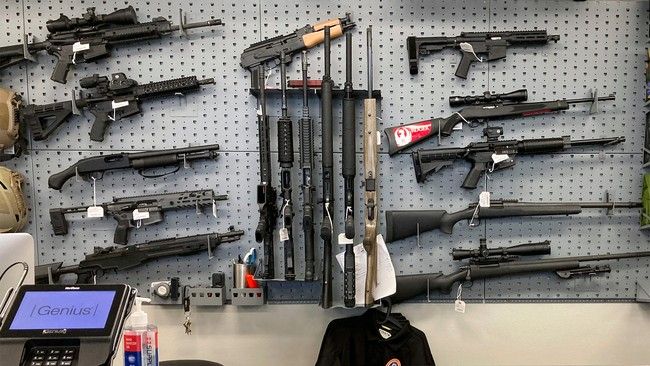
The filings matter because the Court's ruling could shape how far state and local governments can go in restricting commonly owned rifles. Both jurisdictions are defending laws that ban the sale and possession of popular semi-automatic rifles.
Bearing Arms reports that the opposition's briefs lean heavily on what it calls straw men. Those arguments attack versions of the Second Amendment that few serious advocates actually defend. Gun owners should read the briefs closely to spot where the framing drifts from the actual legal question.
Why It Matters for Gun Owners
A ban on common rifles touches millions of owners. Cook County and Connecticut are not outliers. Their laws follow a template that other states and cities have copied. A favorable ruling for the bans would give legislators elsewhere a clearer green light to pass similar restrictions.
The reverse is also true. A ruling that the bans violate the Second Amendment would limit what states can do without a strong historical justification. The Court's test for firearms regulation, set out in New York State Rifle & Pistol Association v. Bruen, requires governments to point to historical analogues. Gun owners want the Court to hold those governments to that standard.
Watch for how the opposition answers the historical question. Pro-ban briefs often lean on modern policy claims about mass shootings and lethality. Those arguments may sound persuasive, but they do not answer whether a regulation fits the nation's historical tradition of firearms regulation.
Background
The Viramontes litigation challenges bans that cover many semi-automatic rifles based on cosmetic features and magazine capacity. Plaintiffs argue that these firearms are in common use for lawful purposes such as self-defense, hunting, and sport shooting. That common-use framing has become central to the constitutional fight.
Lower courts have split on these questions. Some judges have upheld similar bans by treating the rifles as especially dangerous. Others have struck down or questioned those laws under the Bruen framework. The Supreme Court's decision to hear the case signals that the justices see the issue as one requiring national resolution.
Amicus briefs from states, cities, and advocacy groups will pile up after the reply deadline. Gun rights organizations will file their own briefs supporting the challengers. The volume of filings alone shows how much rides on the outcome.
DownRange Bottom Line
The October 21 deadline is a checkpoint, not a verdict. Gun owners should track the briefs, share the arguments with their representatives, and push back on claims that rely on straw men instead of the Constitution's text and history. The Court will decide whether Cook County and Connecticut can ban the rifles millions of Americans already own. That answer will echo well beyond those two jurisdictions.