Antonio Brown Dodges Prison With Probation After Firearm Plea
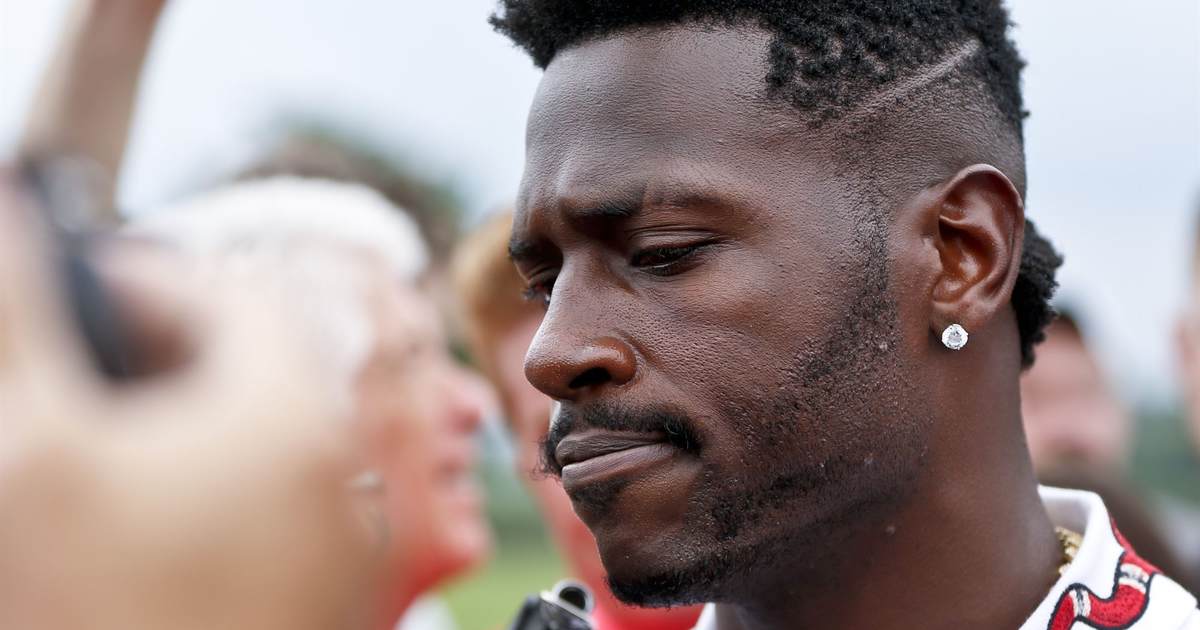
Former NFL wide receiver Antonio Brown pleaded guilty Friday to aggravated assault with a firearm, and a Florida judge sentenced him to three years of probation. Brown avoids prison and, under the deal, a criminal conviction. The plea replaces an original attempted murder charge tied to a shooting at a celebrity boxing event last year. His attorney, Mark Eiglarsh, told reporters his client faced 30 years and a 20-year mandatory minimum, so probation was an offer he could not refuse. For a gun owner, the case is less about celebrity and more about how a self-defense claim gets resolved when the prosecution's key witness stops cooperating.
Key Details
The facts that matter are narrow, and they come from both sides of the case.
- Plea: aggravated assault with a firearm, reduced from attempted second-degree murder
- Sentence: three years of probation, imposed by a Florida judge
- Incident: two shots fired at a man Brown said was trying to steal his jewelry, at a celebrity boxing event last year
- State's version: Brown took a gun from a security guard and grazed the man he fired at
- Defense version: Brown holds a valid carry permit and used his own gun to repel an attack
- Conviction status: the plea avoids a criminal conviction
- Witness: the man Brown shot told investigators in September that he did not wish to participate in the case
Eiglarsh has argued the attempted murder charge was a gross overcharge and that his client never tried to kill anyone. Prosecutors, by contrast, built their theory on intent, and the loss of the alleged victim's cooperation weakened that theory. The probation sentence follows a plea, not a verdict, so no jury ever weighed the self-defense claim. The record contains only the defense's account and the state's allegations.
Background
This is Brown's second felony plea in which adjudication was withheld. In 2020, he entered a no contest plea to felony burglary with battery plus two misdemeanors. The judge withheld adjudication, so Brown avoided a felony record. In 2022, Brown faced a domestic battery charge in Tampa. Prosecutors dropped it after the alleged victim recanted part of her account, and the arrest warrant was recalled. Brown also filed for bankruptcy in 2024, initially listing about $3 million in debts and under $50,000 in assets, despite reportedly earning roughly $88 million during his NFL career. Later bankruptcy proceedings uncovered millions in Florida real estate, including a mansion a trustee arranged to sell for $4 million this year. Separately, a 2024 Florida appellate decision involved a man named Frederick Bryant, who received two years of probation for the same aggravated assault charge, with adjudication also withheld.
Why It Matters for Gun Owners
The biggest issue for gun owners is adjudication. A withheld adjudication generally keeps a defendant out of felony status in Florida, but federal firearm prohibitions turn on how a particular conviction is defined and treated. A true felony conviction for aggravated assault would trigger the federal ban on possessing firearms under 18 U.S.C. 922(g)(1), and it would threaten any Florida carry license. Anyone who carries in Florida, Texas, Georgia, or any other permit state should understand that a single arrest can lead to license action before a case is resolved. If you ever face a firearm-related charge, get the exact plea language and the adjudication status in writing. Do not accept a plea without a clear answer on whether it creates a conviction for both state and federal purposes. Also keep records of your permit, your training, and any evidence that supports your account of events. The Brown case shows that prosecutors can weaken a case when a witness walks away, but a defendant still needs to protect his rights and his record from the start.
DownRange Analysis
Brown's permit does not make a shooting lawful. Florida's justifiable use of force statutes require a reasonable belief that deadly force was necessary to stop an imminent threat. New York State Rifle and Pistol Association v. Bruen confirmed that carrying a firearm for self-defense is a constitutional right, and it did not create a license to fire into a crowd or chase a suspect. Whether Brown's shots were justified was a fact question. The plea resolves that question on the state's terms, and the public never hears the defense argument tested. Gun owners should treat that as a warning. Know your state's use-of-force rules cold, carry only when you have the training to meet them, and carry adequate legal defense coverage. The right to carry means little if you cannot afford a lawyer who can prove your self-defense claim.