Armed Father Stopped Bend School Gunman. Oregon Already Requires Safe Storage.
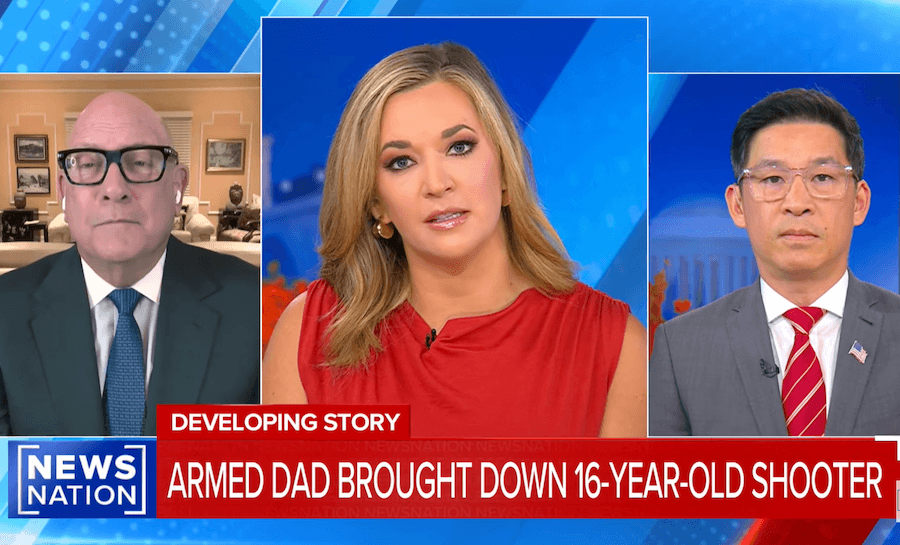
A 16-year-old gunman killed three children and a teacher at Silver Rail Elementary School in Bend, Oregon, on October 15. Police say Griffin J. John II opened fire inside a special education classroom and wounded two others. A teacher fought him, and then armed father Kaylub Giamanco entered the building with a .40-caliber pistol and shot the attacker dead. Authorities credit both the teacher and Giamanco with preventing more deaths. Days later, the shooting set off a sharp exchange on Katie Pavlich Tonight between gun rights advocate and former Top Shot champion Chris Cheng and former Clinton adviser Richard Goodstein. Both condemned the attack. They split on almost everything else.
Key Details
The facts that drove the debate are straightforward. The shooting happened inside a classroom that was already designated a gun-free zone. Police say the attacker was 16 and killed three children and a teacher. Two more people were wounded.
- October 15: Shooting at Silver Rail Elementary School, Bend, Oregon.
- Attacker: Griffin J. John II, age 16, per police.
- Casualties: Three children and one teacher killed; two people wounded.
- Intervention: A teacher physically confronted the gunman. Kaylub Giamanco then entered with a .40-caliber pistol and shot the attacker.
- Weapon questions: The attacker used a shotgun. Investigators, per the Bend Police Department, were still determining how the teen obtained it and the ammunition.
- Storage: Police confirmed Giamanco's handgun was legally secured in his vehicle, and he retrieved it before entering the school.
- Firearm acquisition: Goodstein pointed to a firearm reportedly purchased by the shooter's mother.
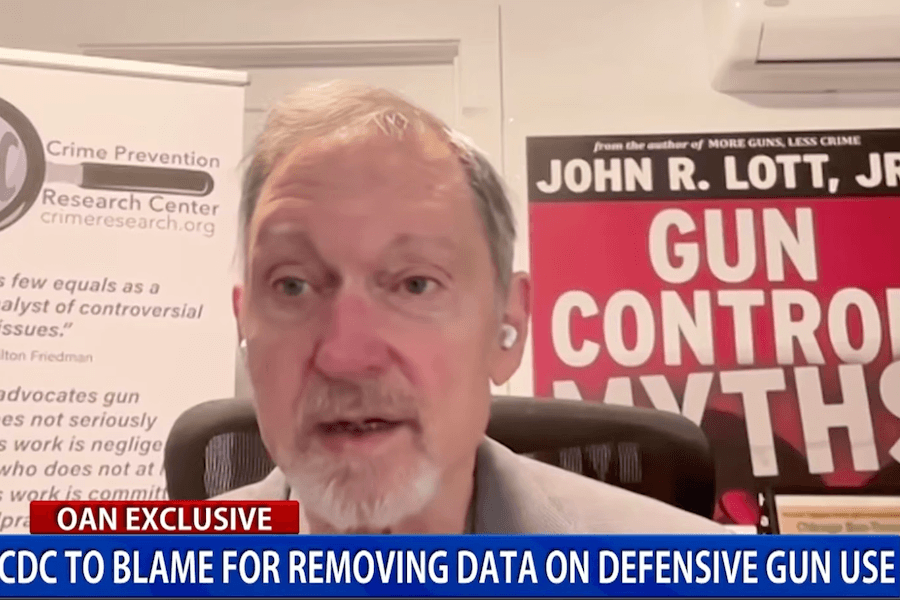
- Statistics: Pavlich claimed roughly three-quarters of firearm deaths are suicides. Citing CDC data analyzed by Pew Research Center, the 2024 figure was approximately 62 percent.
Cheng argued that the father's response shows armed citizens can stop violence in progress. He also said more gun control laws would not necessarily have prevented this attack. He conceded that investigators must establish how a 16-year-old reached the shotgun, and he warned against conclusions before those facts surface. Goodstein argued that access restrictions and secure storage deserve more emphasis. He cited mass shootings at Fort Hood, Uvalde, and Parkland, and argued that armed security at those events showed the limits of armed defenders. He also raised the risk of bystanders shooting innocent people.
Background
The argument over armed response in schools is older than this case. The federal Gun-Free School Zones Act of 1990 made it a federal crime to knowingly possess a firearm within 1,000 feet of a school zone, with exemptions. Many states and districts layered their own bans on top of that law. Critics have long argued that these zones mainly disarm law-abiding adults while leaving attackers unbothered. The Supreme Court's 2022 decision in New York State Rifle & Pistol Association v. Bruen changed the constitutional test for gun laws. Courts now ask whether a regulation fits the nation's historical tradition of firearm regulation, rather than simply weighing its policy benefits.
Oregon's storage rules were already in place before this shooting. Under ORS 166.395, owners generally must secure unattended firearms with a qualifying lock, a locked container, or a gun room. Additional penalties apply when a minor gains unauthorized access. The law does not answer whether an owner complied in any given case. That question depends on facts still under investigation.
Why It Matters for Gun Owners
Oregon owners now face a sharper focus on storage. Anyone who keeps a firearm in a home with minors should use a lock box, a cable lock, or a safe, and should treat that step as non-negotiable. The statute matters less than the habit. A law on the books does not stop a teenager who finds an unlocked closet. Gun owners in every state should expect the same scrutiny. Lawmakers will point to this case when they push storage mandates, and some will push for expanded school-zone restrictions. Carriers who visit schools for work, volunteering, or pickup should know their state's firearm rules for school grounds. Armed-response stories also invite unwanted attention to a carrier's gear, training, and tactics, so every carrier should understand exactly what the law permits before a crisis forces the decision.
DownRange Analysis
Giamanco's response is the strongest fact in this case, and the Bruen framework will shape how courts view similar laws. Gun-free zone rules that bar law-abiding adults from carrying into schools face hard questions under a history-and-tradition test, especially when the government cannot point to founding-era analogues. Storage laws stand on firmer historical ground, and Oregon's law is already on the books. The real test is enforcement and compliance, not new statutes. The market will follow the headlines. Expect more interest in quick-access safes and lock boxes after cases like this one. Our advice is simple. Store every firearm in your home so a child cannot reach it. Know your state's school-zone rules before you carry near a campus. Keep your training current, and do not assume a gun-free sign protects anyone.