Alert Homeowner Defeats Forced Entry with Stored Defensive Gun
A homeowner stopped an aggressive intruder mid-break-in by accessing a stored firearm during late-night hours. The suspect attempted forced entry through an exterior door. The homeowner's quick response and immediate firearm access halted the threat before entry was completed.
The incident occurred when the intruder targeted the residence during darkness. The homeowner detected the forced entry attempt and retrieved his defensive firearm. Upon confrontation, the suspect abandoned the break-in and fled the scene.
Why It Matters for Gun Owners
This case reinforces critical defensive lessons for daily carriers and home defenders. First: firearm access speed matters. The homeowner's ability to reach his defensive gun quickly converted a dangerous vulnerability into a defensive advantage. Second: door hardening works. Reinforced doors slow entry attempts and buy critical seconds for response. Third: alertness saves lives. Detecting the break-in early gave the homeowner time to react rather than face a suspect already inside.
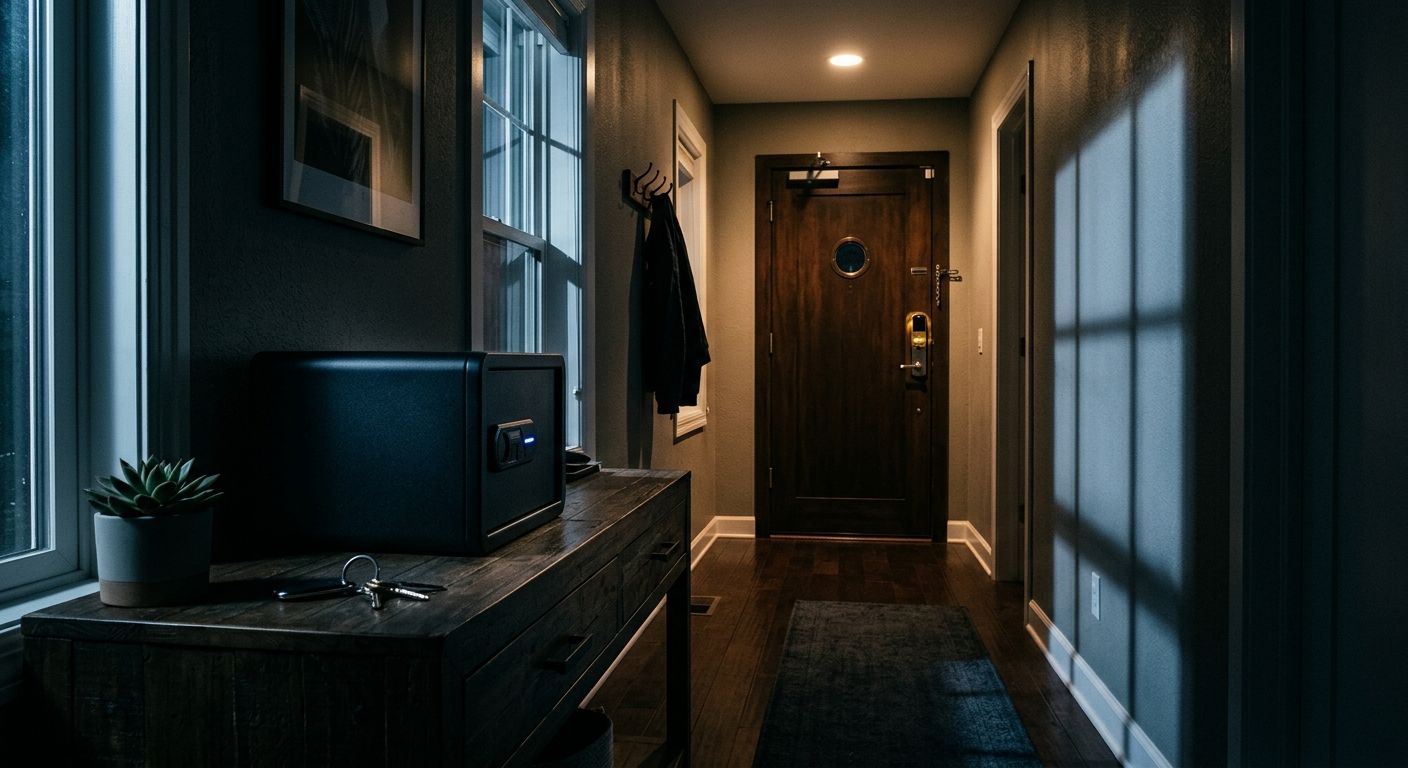
For armed homeowners, this underscores the importance of storage solutions that balance security with accessibility. Quick-access safes, bedside positioning, and practiced retrieval routines separate successful defenses from tragic outcomes. The homeowner didn't need to fire—presence and immediate access deterred the threat.
This also highlights why home defense planning matters more than owning a gun. Having a firearm means nothing if you can't access it during crisis moments. Seconds count in forced entry scenarios. The difference between this outcome and tragedy was preparation, positioning, and defensive readiness.
Background
Forced entry home invasions remain a real threat for American gun owners. FBI crime statistics show residential burglaries peak during nighttime hours when families sleep. Most home invaders test entry points before committing—checking doors and windows for resistance.
Door hardening involves reinforced frames, solid-core or metal doors, and heavy-duty locks. Most residential doors use hollow-core construction and weak frame hardware. Upgrades to exterior doors create actual barriers rather than obstacles. Strike plates secured to framing with 3-inch screws prevent easy kicks.
Defensive firearm positioning for home protection varies by situation. Bedside safes allow immediate access during nighttime threats. Living area staging supports daytime defense. Vehicle carry addresses transitions. Each scenario demands different solutions, but all demand accessible, secured storage.
The legal framework protects homeowners defending against forced entry in most states. Castle Doctrine and Stand Your Ground laws recognize the right to defend your home against intruders. Documentation of the incident—security footage, police reports, witness statements—matters for any post-incident investigation.
DownRange Bottom Line
This homeowner won because he prepared. He owned a firearm. He stored it accessibly. He stayed alert. He responded decisively.
That's the formula gun owners need: defensive tools plus defensive positioning plus defensive mindset. Buying a gun checks one box. Actually preparing to use it checks another. This incident demonstrates what happens when someone checks both.
For daily carriers considering home defense, the lesson extends beyond firearms. Hardened entry points matter. Quick-access storage matters. Situational awareness matters. A gun in a bedroom closet behind winter coats won't help during a forced entry. A gun staged for rapid access will.
This is why armed citizens train, maintain defensive positions, and take home security seriously. Not every threat ends with gunfire. Most end with preparation meeting opportunity. This homeowner's result—stopped threat, no shots fired, suspect apprehended—represents successful defense.