ATF Confirms Major Qilin Ransomware Attack—Won't Say What Was Taken
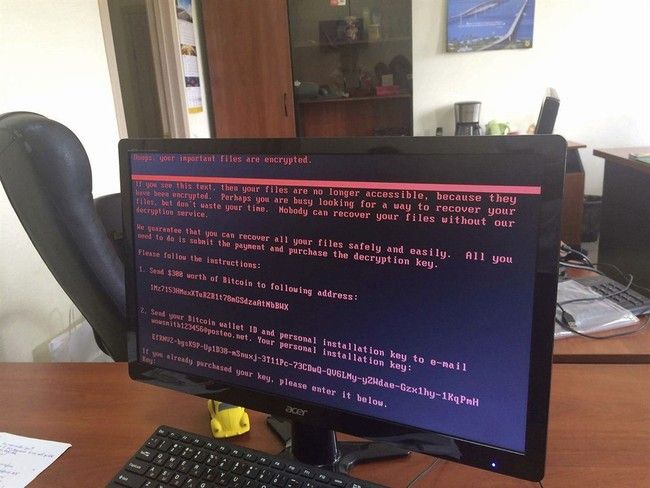
The ATF acknowledged it was targeted by Qilin, a known ransomware group, in what the agency describes as a "major" cyberattack. As of August 27, 2026, the ATF has not disclosed what systems were compromised, what data may have been stolen, or whether the attackers demanded ransom. The agency's silence on specifics raises questions about the scope of the breach and what information may be at risk.
Key Details
- Attacker: Qilin ransomware group confirmed as responsible
- Scope: Described as "major" by the ATF, but no further technical details released
- Data Status: Unknown what records, databases, or files were accessed or exfiltrated
- Public Timeline: Breach confirmed August 27, 2026—initial incident date not disclosed
Why It Matters for Gun Owners
The ATF maintains extensive databases tied to firearms ownership, transfers, dealer records, and background check information. If those systems were compromised, gun owners' personal data—names, addresses, purchase histories, and FFL records—could be exposed or sold. Qilin has a history of publishing stolen data when ransom demands aren't met. Gun owners have no way to know yet if their information was targeted. The lack of transparency from a federal agency responsible for firearm records creates legitimate concern about identity theft, harassment targeting gun owners, or FFL records falling into bad actors' hands. Anyone with recent ATF interactions should assume their data might be at risk until the agency provides full disclosure.
DownRange Analysis
The ATF's refusal to detail what was compromised signals either ongoing negotiations with Qilin or internal confusion about the breach's scope—neither is reassuring. Ransomware groups don't typically attack federal agencies for fun; they target high-value data. Gun registry information would be extremely valuable to adversaries and bad actors targeting gun owners. Federal agencies have a poor track record on cybersecurity; this breach is likely not an isolated incident but a symptom of weak defenses. Gun owners should assume their ATF-related data is already compromised and take precautions: monitor credit reports, consider identity theft protection, and document what FFL transfers they've made. Demand transparency from Congress—the ATF needs to answer exactly what was stolen and when.