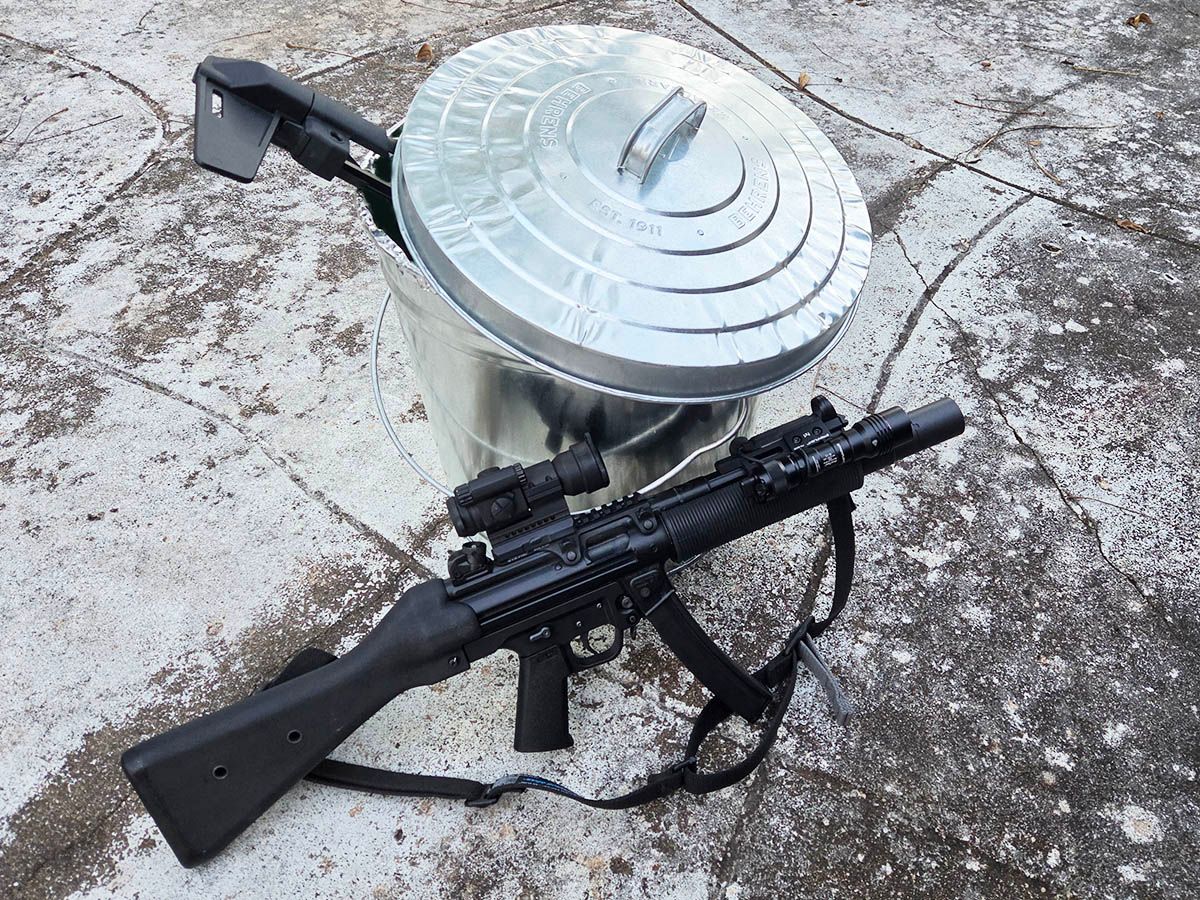
ATF's New NFA Guidance Opens the Door on Braces and Short Barrels
The ATF has published new guidance on how it will apply recent changes to the National Firearms Act, and the document reads as a clear retreat from the agency's tightest positions. For owners of pistol-braced firearms and short-barreled rifles, the question now is whether the paperwork and registration rules still apply the way they did a year ago. The short answer is that the agency is backing away from its hardest line, but the details of the guidance matter far more than the headline.
Key Details
The guidance addresses how the ATF will classify firearms in light of the NFA changes and what owners must do to remain compliant. Industry observers describe the overall direction as the most favorable federal posture toward NFA-regulated items since the 1934 act was passed. Because guidance documents are interpretive rather than binding statute, the practical effect depends on how consistently the agency enforces it and whether courts side with the new reading.
- The guidance comes directly after the recent NFA changes and clarifies how the agency reads them.
- Owners should compare the guidance against any registration or tax obligations tied to braces and short barrels.
- Read the full ATF document rather than relying on summaries, including secondary reporting.
Why It Matters for Gun Owners
If you carry a braced pistol or run a short-barreled rifle, this guidance is the thing to read before you change anything. Do not assume that a looser interpretation means your firearm is automatically exempt from every requirement. Check whether your specific configuration, barrel length, and attachments fall under the categories the ATF is now describing. Owners in states with their own restrictions on braces, short barrels, or suppressors should be doubly careful, because state law can be stricter than federal guidance and the federal change does not override it. If you have been holding off on a build, a competition setup, or a home-defense rifle because of ATF rules, this is the moment to verify the current interpretation with a qualified attorney or firearms counsel. Keep records of every purchase, transfer, and registration so you can demonstrate compliance whichever way enforcement goes.
DownRange Analysis
Guidance is not a statute, and the ATF has reversed course before. Any owner who builds around a favorable reading should expect that a future administration could tighten it again unless Congress or the courts lock the change in place. Under Bruen, the government must justify restrictions by reference to the nation's historical tradition of firearm regulation, and that test gives challengers real leverage against agency rules that lack a clear statutory foundation. Expect the market for braces, short barrels, and NFA-adjacent parts to respond quickly to the guidance, with more manufacturers pushing products that fit the new reading. The practical advice is simple: verify your current status, document everything, and do not treat an agency memo as permanent protection.