Austin Protesters Paint Death Threats Against Trump, ICE Officers
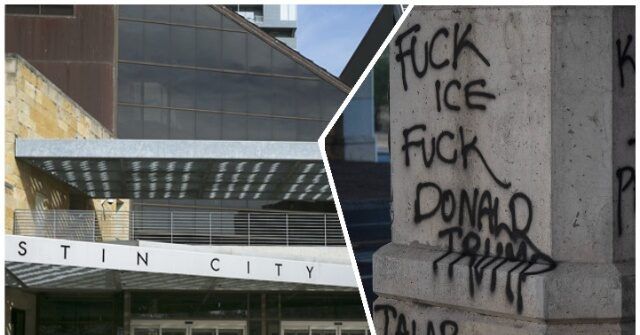
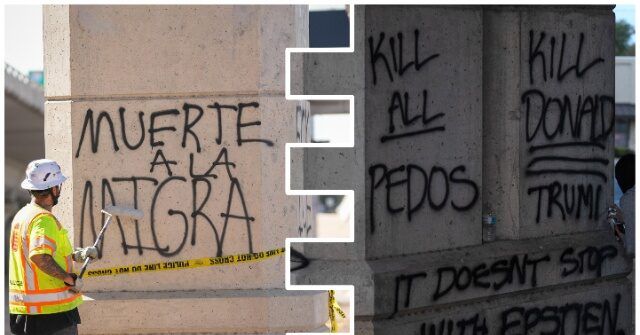
Protesters in Austin responded to an officer-involved shooting by an ICE Enforcement and Removal Operations officer on Sunday with threatening graffiti. The vandalism, discovered on overpass support pilings, contained explicit death threats targeting President Donald Trump and ICE personnel. The incident marks an escalation in rhetoric tied to immigration enforcement actions in Texas.
Key Details
- ICE officer fired on a Venezuelan illegal alien during an enforcement operation in Austin on Sunday
- Protesters responded with spray-painted threats on multiple overpass support structures
- Graffiti included direct calls to harm the President and federal immigration officers
- Incident occurred amid heightened tensions over border enforcement and sanctuary city policies in Austin
Why It Matters for Gun Owners
This incident sits at the intersection of Second Amendment rights, law enforcement authority, and political speech. Gun owners should understand the legal distinction between protected political expression and criminal threats. The graffiti crosses into federal crime territory—threatening the President violates 18 U.S.C. § 871, and threats against federal officers trigger additional charges. Austin residents who lawfully carry firearms need clarity on self-defense law when confronting armed protesters or facing violence tied to political unrest. This also highlights the reality that immigration enforcement generates genuine threats against armed federal agents, a factor in ongoing debates over officer safety and rules of engagement.
DownRange Analysis
The speed and nature of this response—organized spray-painting with specific threats—suggests coordination beyond spontaneous outrage. Federal law enforcement will likely identify and prosecute those responsible for the graffiti as a matter of course. Gun owners should recognize that while political protest remains protected speech, direct threats to kill public officials and federal officers do not. This case also underscores why armed citizens need to stay informed about local political temperature and maintain situational awareness in cities where anti-enforcement sentiment runs high. Austin's sanctuary city status and activist base create conditions where officers face elevated risk, making any encounter unpredictable.