BANISH's All-Inconel HD 762 Is Full-Auto Rated at $1,129
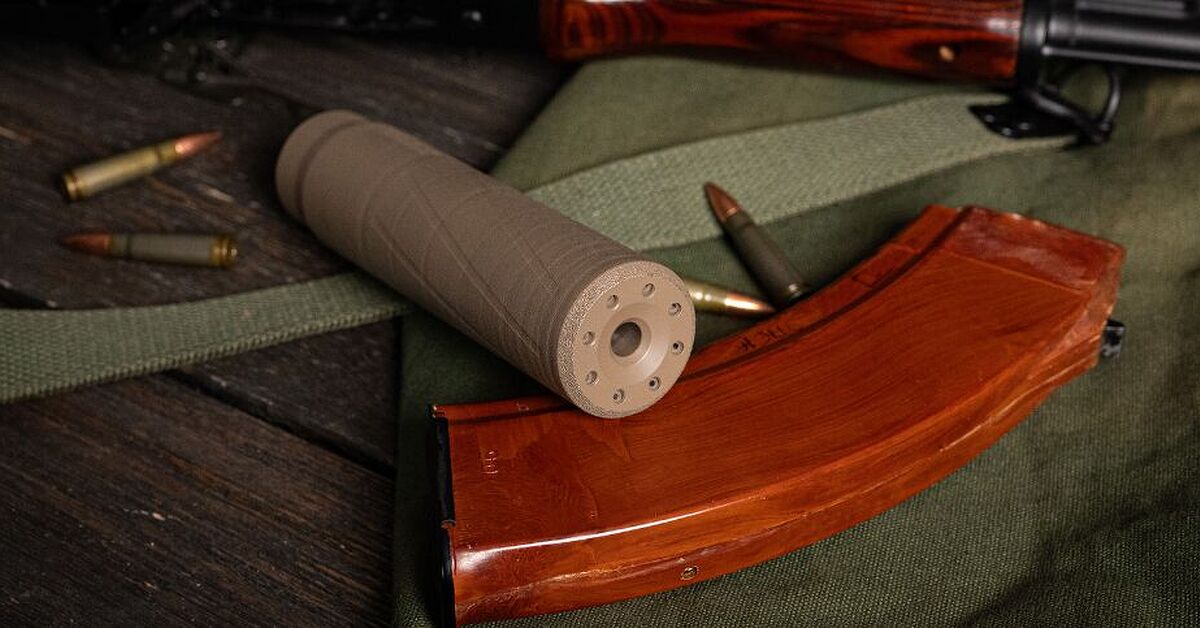
BANISH Suppressors has released the HD 762 INC, a 7.62 NATO/.308 Winchester suppressor built entirely from additively manufactured 718 Inconel. The can carries a full-auto rating, no barrel length restrictions and an MSRP of $1,129. BANISH aims it at gas-operated rifles: AR-10s, 6mm AR-15s, gas-operated precision rifles and SBRs. It is the second model in the company's Heavy Duty line, following the HD 556 INC. Dealers have it in stock now, and it is made in the United States.
Key Details
The specifications below come from BANISH's product information and internal testing.
- Construction: additively manufactured 718 Inconel, a nickel-based superalloy
- Dimensions: 6.7 inches long, 1.65 inches in diameter
- Weight: 15.9 ounces without mount
- Approved cartridges: 5.56 NATO through .300 RUM
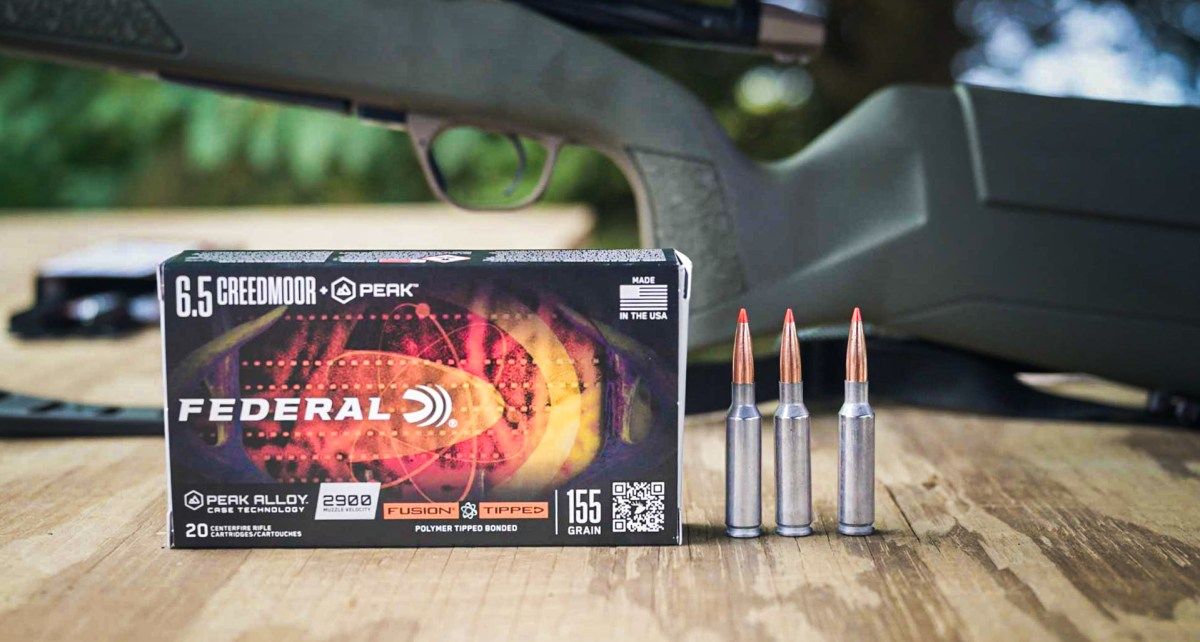
- Named high-pressure loads: Federal 6.5 Creedmoor +Peak and 7mm Backcountry
- Baffle design: nine baffles and eight helical vents under BANISH's controlled-flow system
- Sound, supersonic: average 135.7 dB at the shooter's ear, .308 Winchester from a 16-inch AR-10
- Sound, subsonic: average 126.2 dB at the shooter's ear, .300 Blackout from a 16-inch AR
- Mounts: 5/8x24 direct thread on the front, industry-standard HUB threads on the rear
- Front clearance: 1.9 inches before the first baffle, enough room for a full-length brake or flash hider
- Finishes: Black or Flat Dark Earth Cerakote
- Warranty: lifetime, covering normal-use damage and manufacturing defects
- Service: not user-serviceable; BANISH Service Program includes a full maintenance check in year one
Background
BANISH built its reputation on suppressors sold to shooters who run hard. The Heavy Duty line exists because a standard hunting can does not hold up on a fast-cycling gas gun. Inconel 718 entered the suppressor market for the same reason it appears in turbine parts and high-temperature hardware: it keeps its strength when steel and titanium begin to soften. Makers who use it accept higher machining and manufacturing costs in exchange for longevity under sustained fire.
The bigger engineering problem is back pressure. A suppressor adds resistance at the muzzle, and on a direct-impingement or gas-piston rifle, that resistance pushes gas back toward the action. Many shooters have learned this the hard way. Extra gas increases cycling force, speeds up carbon buildup in the bolt carrier group and blows exhaust toward the shooter's face. Designers have spent years trying to cut that effect without giving up sound reduction. BANISH's answer, as described in its materials, is controlled-flow baffling that routes gas along a set path. The HD 762 INC sits in a crowded segment of low-back-pressure 7.62 cans, so the company's claims will face direct comparison against established competitors.
Why It Matters for Gun Owners
Full-auto rating changes who should look at this can. Owners of select-fire rifles, or anyone who runs a belt-fed or rapid-fire 7.62 platform, now have a suppressor marketed for that use with no barrel length restriction. The rating matters even if you never fire full-auto, because it signals how the manufacturer built the baffles and mounts. Cans rated for sustained fire tend to hold up better under heavy semi-auto strings too.
The AR-10 owner gets the most obvious benefit. A 7.62 can that aims to reduce back pressure should mean less bolt carrier grime and less gas in the face on a long day at the range. If you run a 6mm AR-15 or a gas-operated precision rifle, the same logic applies. Watch the at-ear numbers, not just the muzzle numbers. A can that drops sound on paper still needs to stay quiet where your ears sit.
Before you buy, understand the paperwork. Suppressors are NFA items. Buyers still need ATF approval through the Form 4 process, and a rated full-auto can does not change that. Check your state's rules too, since some states restrict or ban suppressor ownership, and local rules may limit where you can shoot with one. If you plan to run an SBR with this can, confirm your overall length and barrel length before you install it.
DownRange Analysis
On paper, the HD 762 INC makes a strong case. All-Inconel construction, a full-auto rating, no barrel length restrictions and a sub-one-pound weight at $1,129 put it in serious territory. The weight number is respectable for a 7.62 can built to take this much heat. The claims that matter most are back pressure and at-ear sound on a gas gun. Those belong to independent testing, not manufacturer charts. BANISH's figures show a 9.5 dB difference between supersonic .308 and subsonic .300 Blackout, which tracks with what you would expect from ammunition change alone, but they do not reveal how much bolt cycling changes between cans.
Right now, the smart move is to wait for third-party data. Look for side-by-side tests on a suppressed AR-10 against a conventional can, measuring cycling force and carbon buildup. If you already own a low-back-pressure can, compare the HD 762 INC's claims against your own rifle. If you run a conventional can and tolerate the gas, you have no urgent reason to switch. Either way, check the product page at banishsuppressors.com before you buy, and confirm the Form 4 timeline with your dealer.