Berger Drops 170-Grain 6.8 Western Elite Hunter Load at 2,900 fps
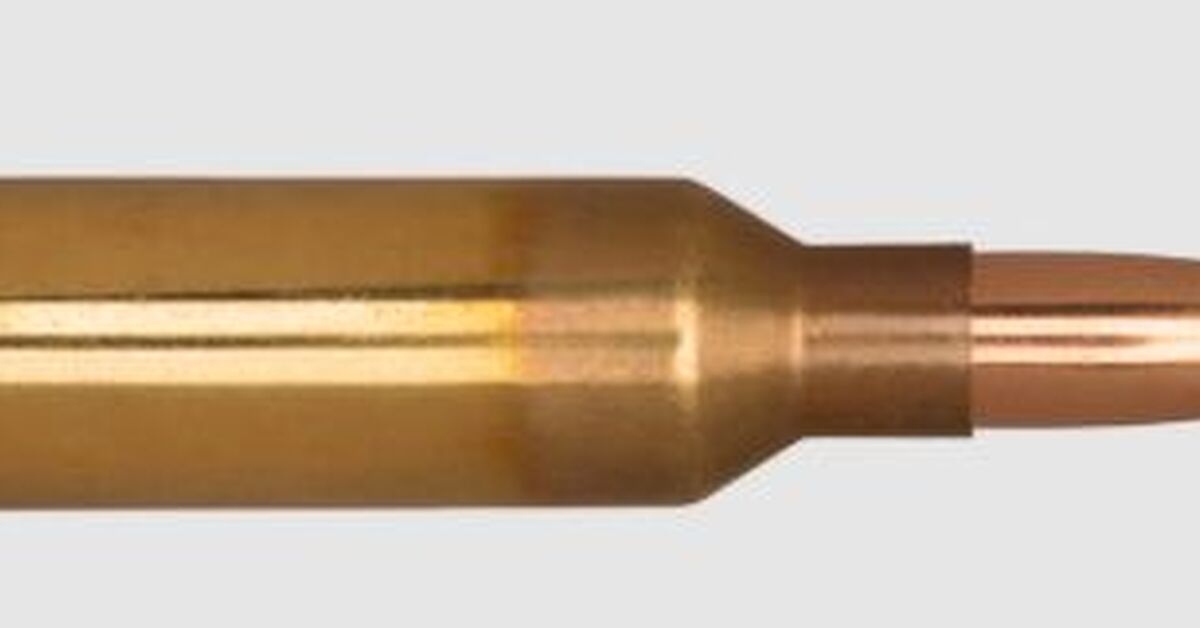
Berger has added a 170-grain Elite Hunter load in 6.8 Western, and the Mesa, Arizona maker says it is available now. The bullet leaves the muzzle at 2,900 fps, which Berger calls heavy for the caliber. The company has not published pricing or a SKU, so hunters will need to check dealers or Berger directly. Berger sits under Capstone Precision Group, the sole U.S. distributor for Berger, Lapua, Vihtavuori, and SK-Rimfire products. That corporate link matters less than the bullet itself, which Berger built for one job: getting a heavy .277 projectile to a deer or elk and making it count at distance.
Key Details
The specifications Berger published are specific, so here is the list:
- Bullet weight and velocity: 170 grains at 2,900 fps.
- Construction: Hybrid-ogive design built on Berger's J4 Hunting Jacket.
- Runout claim: Less than .0003-inch total indicated runout (TIR) for the jacketed bullet.
- Ballistic coefficient: 0.339 G7, which Berger calls best-in-class, paired with a tightly controlled BC standard deviation.
- Terminal claim: Penetration of approximately 2 to 3 inches before creating a large wound cavity.
- Downrange performance: Berger claims strong energy retention, reduced wind drift, and effective terminal results at extended distances.
- Manufacturer: Berger, Mesa, Arizona, a builder of target, hunting, and tactical projectiles and match-grade ammunition.
- Price and SKU: Not listed at launch.
David Hamilton, Berger's Plant Manager, framed the load as another premium hunting option. He called its exterior ballistics unmatched and said hunters can trust it when a single shot decides the hunt. Those are manufacturer claims. Berger has not released independent test data in the announcement to back them up.
Background
Winchester and Browning developed the 6.8 Western around heavy .277-caliber bullets chambered in short-action rifles. That design choice gave hunters a way to run heavier, higher sectional-density bullets without moving to a long action. The .277 bore already has a track record. The 6.8mm SPC has been chambered in short-action rifles for years, and hunters and competitors have spent that time learning which bullet weights stabilize, feed, and hit well in that diameter.
Factory ammunition has lagged behind the rifles for much of the cartridge's life. Shooters who bought 6.8 Western rifles often reloaded or chose from a short list of commercial loads. Berger's entry adds another factory option aimed at hunters who already own the cartridge. The company's track record in long-range match bullets, where it competes with bullets like the Hornady ELD-M family, gives this release more credibility than a first-time bullet maker would carry. Berger's reputation rests on ballistic coefficient and consistency, which is why this announcement leads with those numbers.
Why It Matters for Gun Owners
If you own a 6.8 Western rifle, this load gives you a new factory choice in a caliber that has not had many. Check your rifle's magazine length and cartridge overall length before you buy. A 170-grain bullet with a high BC can change what fits in your magazine and how the rifle feeds. Do not assume a load that runs in one 6.8 Western rifle will feed in another.
Hunters who take elk or hogs should pay attention to the penetration claim. Two to three inches before a large wound cavity is a specific promise, and it describes a bullet built to expand early and dump energy fast. That profile suits some game and some shot distances better than others. Ask whether a bullet's expansion window matches the animals you hunt in your state's regulations, especially where lead or certain bullet types are restricted.
Watch for pricing. Berger has not listed it yet, and 6.8 Western factory ammunition has historically cost more per round than common deer loads. Compare the cost per shot against what you already shoot, and buy a box to verify zero and group size at the range before you rely on it in the field.
DownRange Analysis
This is a product release, not a legal fight, so Bruen does not apply. The real question is whether the numbers hold up on paper and in the field. Start with the energy math. At 2,900 fps, a 170-grain bullet carries roughly 3,175 foot-pounds at the muzzle by the standard formula. That is serious energy for a hunting cartridge in this class, and the bullet's claimed 0.339 G7 BC means it should shed velocity more slowly than many shorter-range hunting bullets. Those are the reasons a hunter buys a bullet like this.
Market-wise, Berger is betting that 6.8 Western owners want a match-grade pedigree in a hunting package. That is a reasonable bet. Shooters who already buy Berger match bullets will try this load first. Get your own data. Shoot a few groups at the distances you plan to hunt, log velocity over a chronograph, and confirm your scope tracks correctly. A manufacturer's BC claim means nothing until your rifle proves it at 300 and 500 yards.