Modern Lever Actions Cut Through Wet Gloves—Here's What Works
Lever action rifles are experiencing a practical revival among shooters who prioritize function over aesthetics. In 2026, the market distinguishes between working guns and Instagram builds. Real-world performance—cycling reliability with wet gloves, accuracy inside typical engagement ranges, and maintenance simplicity—now defines which models matter to serious users.
Key Details
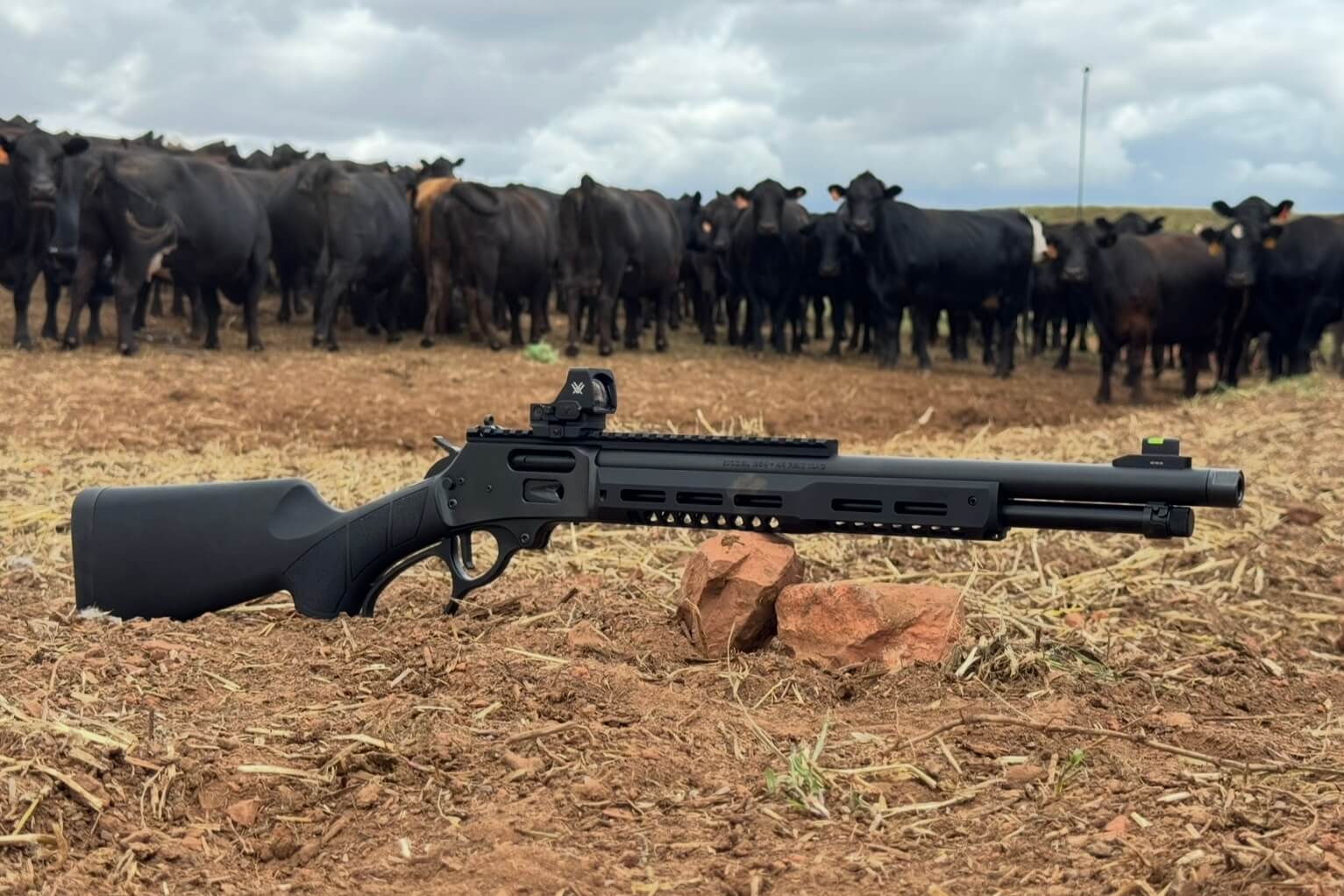
Specification matters more than nostalgia. Modern lever actions succeed when they prioritize slick action cycling, quality sights or picatinny rails, and calibers that deliver terminal ballistics relevant to the user's mission. Builders focus on smoothed feeding systems, reduced trigger creep, and ergonomic controls that function under stress and weather. Cosmetic customization (furniture color, synthetic stocks) plays no role in reliability ratings.
Accuracy and ergonomics drive adoption. Current offerings balance traditional lever mechanics with modern shooting demands. Users evaluate how quickly an action cycles under pressure, whether the rifle hits at distance, and if controls are accessible without removing gloves. Weather resistance and maintenance intervals matter to working shooters.
Why It Matters for Gun Owners
Lever actions offer shooters a legally sound rifle platform with minimal regulatory friction across most states. Unlike modern sporting rifles, lever guns face lower legislative scrutiny and operate in jurisdictions where other centerfire rifles face bans. For hunters, ranchers, and defensive users in rural areas, a reliable lever rifle stored long-term remains functional without battery dependence or complex maintenance. The 2026 crop emphasizes durability and function—exactly what separates a truck gun from a safe queen. Realistic training with lever actions also builds manual rifle skills increasingly rare among modern shooters.
DownRange Analysis
Lever actions survive legal challenges because they predate modern assault weapon definitions and generate minimal political resistance. They occupy a unique legal position: legal everywhere a rifle is legal, unambiguous in design, and unsuited for the cosmetic arms race that triggers regulation. The emphasis on practical performance over aesthetics reflects a mature market. Gun owners choosing lever actions aren't making a political statement—they're selecting a rifle that works in mud, cold, and with shaky hands. That pragmatism is exactly why the platform endures.