Field Testing Reveals Major Performance Gaps Between Budget and Premium Thermal Scopes
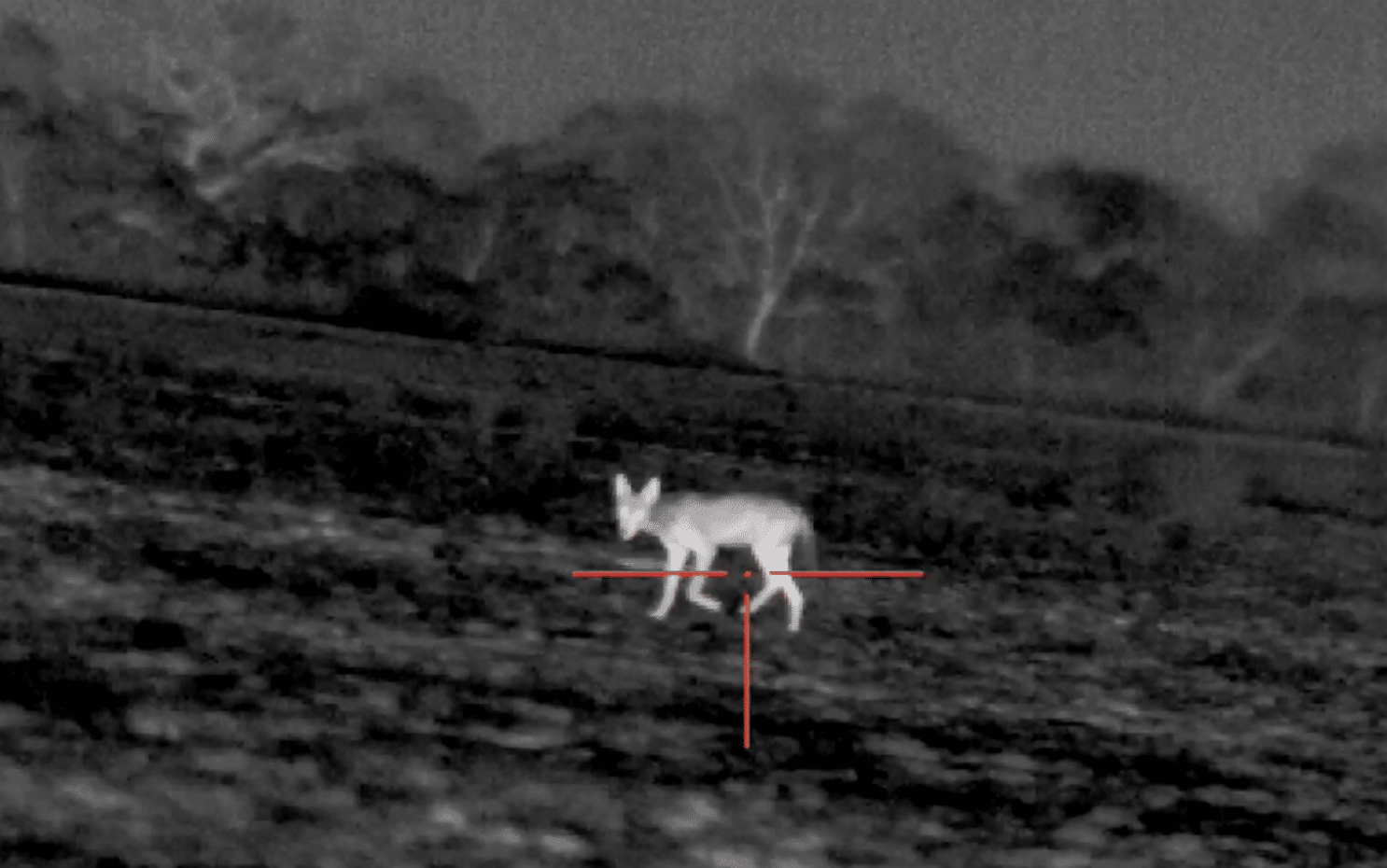
Real-world thermal scope evaluation ranked top-performing models across price tiers for hog, coyote, and predator hunting. Testing measured detection range, image clarity, and value by analyzing how optics actually perform in the field—not marketing claims. Results show significant performance variance between budget units under $1,000 and mid-tier scopes at $3,000–$5,000. Premium models at $8,000+ deliver measurable advantages for 300-yard-plus detection work.
Evaluation metrics included detection range benchmarks, thermal image resolution, and cost-per-feature analysis. Rankings separated by hunting application: hog hunting, coyote work, and general predator control. Budget optics excel for close-range work. Mid-tier models dominate for mixed-distance hunting. Premium scopes justify costs only for hunters working open terrain consistently.
Why It Matters for Gun Owners
Thermal optics moved from specialty equipment to essential tools for night predator control and hog hunting across multiple states. This testing matters because thermal scope prices range from under $1,000 to $8,000+, and most hunters buy blind without concrete performance data. One wrong choice wastes money and burns entire seasons.
Hog hunters in Texas, Oklahoma, and California depend on thermal for night work. Coyote hunters from the Midwest through the West use these for predawn and dusk applications. Knowing which models actually detect game at advertised ranges separates effective setups from expensive mistakes. Budget constraints are real for most gun owners. Choosing the wrong optic means either overpaying or undershooting your hunting needs.
Detection range matters most for open-country hunters. Image resolution separates usable targets from blurry shapes at distance. Durability and battery life determine whether your optic functions during critical hunting windows. This testing answers the questions manufacturers avoid: Does the $1,500 model really detect hogs at 250 yards? Can the $3,000 scope perform in heavy brush? Does the premium unit justify doubling your investment?
What the Testing Data Shows
Budget thermal scopes ($800–$1,200) deliver solid detection to 150 yards on hog-sized targets. Image quality drops noticeably in fog, rain, or dust. Battery life averages 8–12 hours. These models work for stand hunting and short-range predator calls. They fail for glassing open terrain or spotting distant coyotes.
Mid-tier optics ($2,500–$4,500) detect hogs reliably to 300 yards. Image resolution stays sharp across weather conditions. Battery life extends to 15+ hours. Durability improves significantly. These scopes handle mixed terrain and variable distances effectively. Most serious hog hunters operate here.
Premium models ($6,000–$8,000+) deliver detection beyond 400 yards on large game. Image clarity remains excellent in poor conditions. Advanced battery management extends operating time. Durability matches professional-grade equipment. Only hunters working vast open terrain consistently justify this investment.
DownRange Bottom Line
Match your thermal scope to your actual hunting conditions, not aspirational scenarios. Hog hunters in brush rarely need 400-yard detection. Open-country coyote hunters can't afford to undershoot at distance. This testing provides the data manufacturers hide.
Budget buyers should expect limitations at distance and in poor weather. Mid-tier shoppers get reliable performance across most hunting applications. Premium buyers pay for detecting game that budget scopes miss entirely. Your terrain, distances, and hunting style determine which tier fits your needs.
Test before buying if possible. Borrow friend's optics or rent units from outfitters. Compare detection ranges on your actual hunting ground. Don't assume internet reviews match your conditions. The best thermal scope is the one that delivers results where you hunt.