A House bill would presume voter intimidation when visible firearms appear near polls.
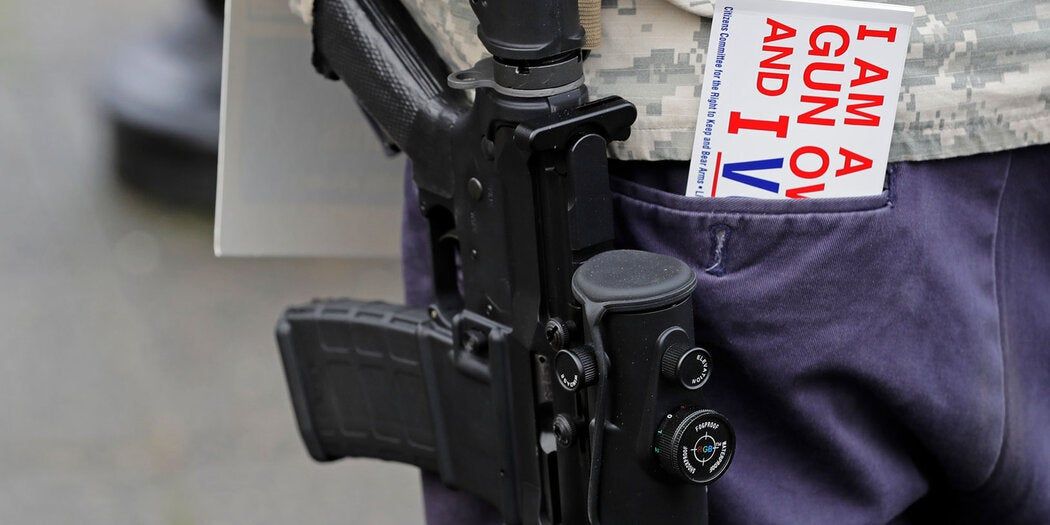
Under the proposal, a visible firearm in certain polling situations would create a legal presumption of intimidation. Defendants would then have to rebut that presumption in court. The bill targets open carry near polling places and treats the mere visibility of a gun as the trigger.
The text reaches situations involving visible firearms, not only actual threats or threatening conduct. That distinction matters. A lawful carrier who never speaks, points, or approaches a voter could still face a presumption of wrongdoing.
Why It Matters for Gun Owners
Open carry is legal in many states, and lawful carriers move through public spaces every day. Polling places are public spaces too. If this bill passes in its current form, a person carrying openly on the way to vote could find themselves defending their conduct after the fact.
The burden shifts in an important way. Normally, the prosecution must prove intimidation. Under a presumption, the defendant starts behind. Rebutting a presumption takes money, time, and a lawyer, even for someone who did nothing wrong. Gun owners know that the process can punish them before any verdict arrives.
Carriers should also watch how the word "intimidation" gets defined. Vague statutory language gives election officials, poll workers, and prosecutors wide discretion. A carrier wearing a holster on a warm day could be read differently by different people. That uncertainty alone changes behavior, and many carriers will simply stop bringing a firearm near a polling site.
Background
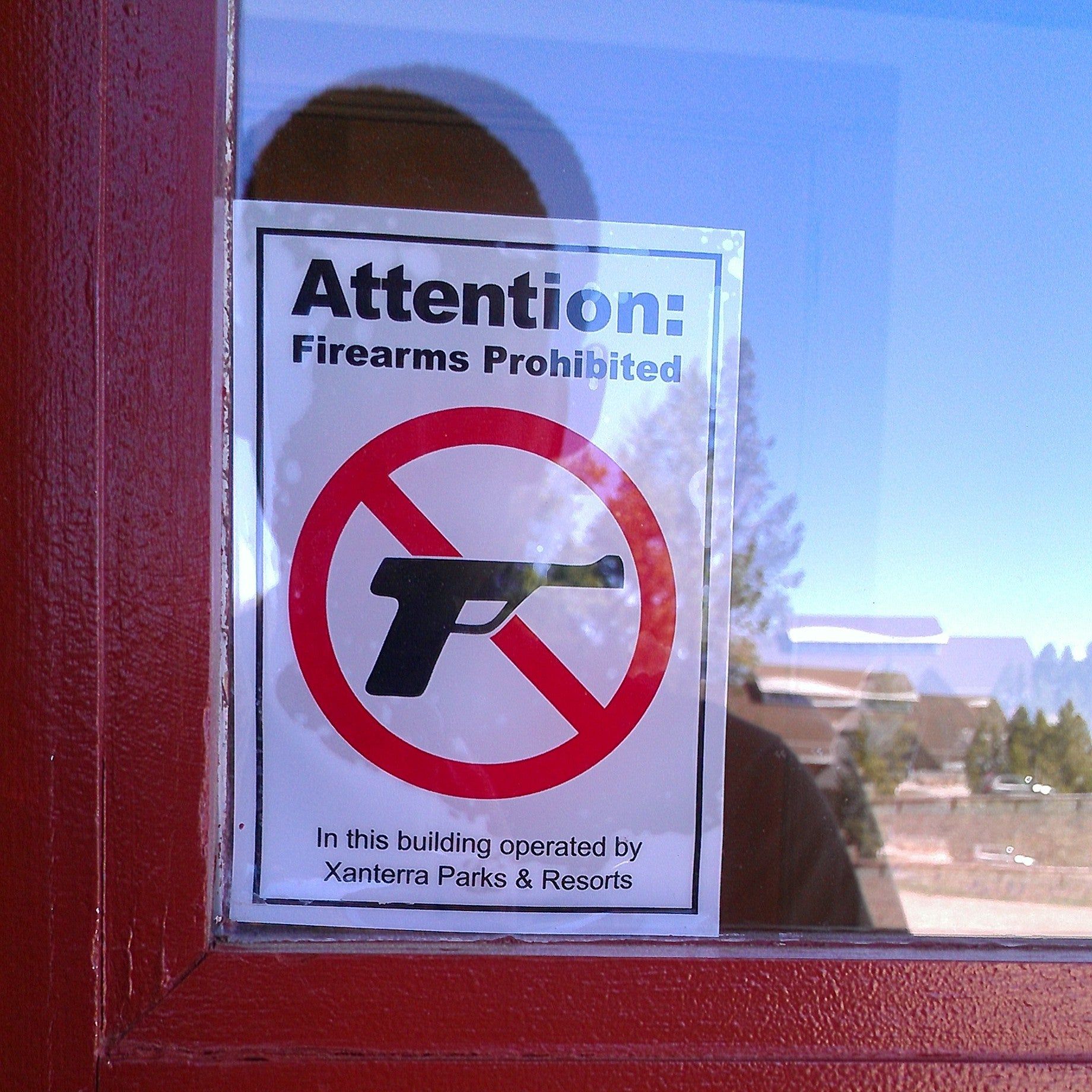
Election laws across the country already restrict firearms at polling places in many states. Some ban guns entirely within a set distance of a polling location. Others focus on concealed carry permits or specific conduct. The new bill approaches the problem differently by creating a presumption tied to visibility.
Supporters of measures like this argue that voters deserve a calm environment free from fear. They point to incidents where armed individuals appeared at polling sites and voters felt pressured. Those concerns deserve a serious answer, and the bill's authors frame it as protection for voters rather than an attack on gun rights.
Opponents counter that existing law already prohibits threats, coercion, and intimidation. Under that view, the presumption adds nothing except a tool to target lawful carriers. Critics also question whether a visible holster alone should carry legal weight at all. The debate sits where election security, public safety, and Second Amendment rights meet.
DownRange Bottom Line
Gun owners should read the bill's full text, not summaries. Pay attention to how "visible firearm" and "intimidation" are defined, and whether the presumption applies only near polling sites or in broader settings. Contact your state representative if the language concerns you. Know your state's current polling place rules before election day, and keep your carry habits consistent with the law. Staying informed and engaged does more for your rights than any single headline.