Harmeet Dhillon Is Reportedly Out — DOJ's Gun Lawsuits Now in Doubt
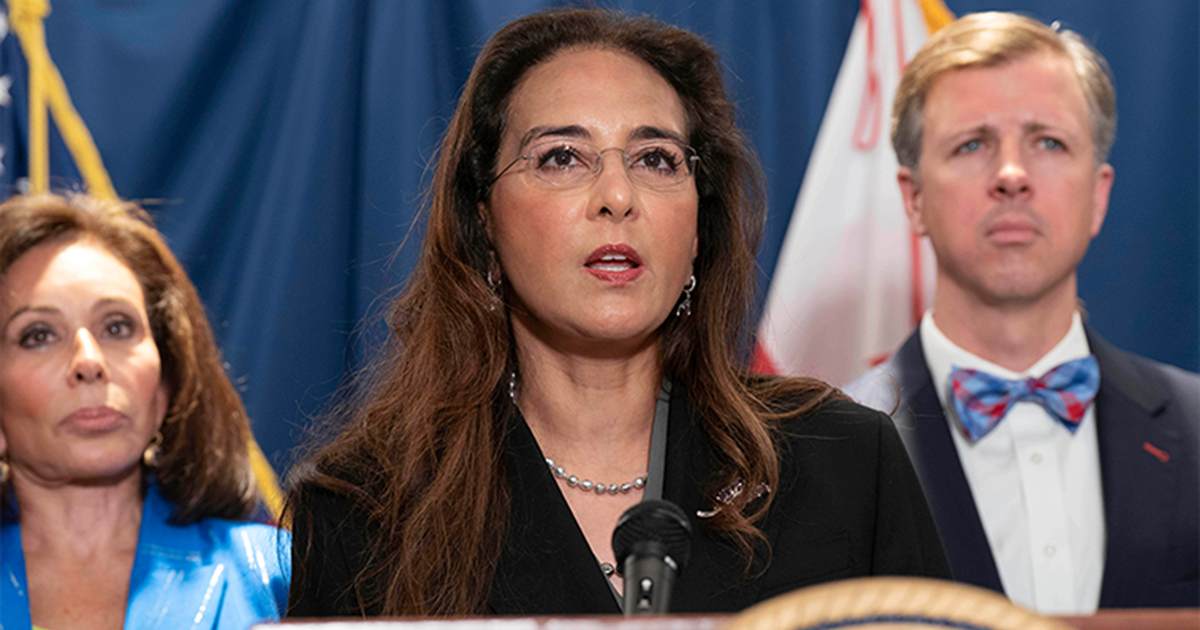
Assistant Attorney General Harmeet K. Dhillon is reportedly leaving the Justice Department's Civil Rights Division, and the Second Amendment Section she oversees is now in question. Fox News reports her resignation has already happened. Reuters describes her departure as "imminent." Either way, Dhillon is the official who turned gun rights into a federal enforcement priority at DOJ. Her exit threatens the division's pattern-or-practice suits against state and local governments. Attorney General Todd Blanche will name an interim head. Nobody knows yet whether that person will push Second Amendment cases with the same energy.
Key Details
The reporting pins down several facts that matter for gun owners tracking these cases:
- Harmeet K. Dhillon heads the Civil Rights Division and oversees its Second Amendment Section.
- Fox News reports the resignation has already taken place. Reuters reports the departure is imminent.
- Barry Arrington chairs the section. He worked extensively with the National Association for Gun Rights before joining DOJ earlier this year.
- Stephen Stamboulieh, a Second Amendment litigator, joined the section in recent months.
- No word yet on whether Arrington or Stamboulieh will leave with Dhillon.
- DOJ has at least ten active lawsuits against gun control laws.
- California: challenges to licensing delays and carry permit fees.
- Minnesota: a challenge to permit-to-purchase laws that impose a 30-to-60 day waiting period on some firearm purchases.
- Colorado, Virginia, and Washington, D.C.: challenges to bans on commonly owned semi-automatic firearms and magazines. California also faces a challenge to handgun sale restrictions.
- Maryland: a challenge to carry restrictions. U.S. Virgin Islands: a challenge to licensing requirements.
DOJ remains a party to every existing case. Those suits continue regardless of who runs the division. New filings are the open question.
Background
Before Dhillon arrived, the Civil Rights Division did not challenge gun control laws. That changed under her leadership. The division treated the Second Amendment as a civil right on par with free speech, religious liberty, and voting. Her team created the Second Amendment Section and began filing suits against state and local governments.
Before that shift, the job of challenging gun laws fell mostly to individual plaintiffs and advocacy groups. The Second Amendment Foundation, Firearms Policy Coalition, and the National Rifle Association carried that load. Their cases built on the Supreme Court's 2022 decision in New York State Rifle & Pistol Association v. Bruen. Bruen requires the government to justify firearm regulations by pointing to the nation's historical tradition of firearm regulation. That standard gave challengers a sharper tool, and it gave DOJ a legal basis for stepping in.
The Civil Rights Division traditionally uses pattern-or-practice authority, which Congress granted in 1994, mostly against police departments. Applying that tool to gun laws is what made Dhillon's approach distinctive.
Why It Matters for Gun Owners
If DOJ slows its new filings, the cases that matter most to daily carriers are the ones that stall. Residents of California, New York, New Jersey, and Massachusetts face some of the country's heaviest permit burdens. Local officials in those states control how long applications take and what fees they charge. A federal plaintiff can force a court to examine those delays. Without one, the burden stays on individual applicants and private groups, who often lack the budget to sue.
Minnesota permit-to-purchase residents, Maryland carriers, and gun owners in Colorado, Virginia, and Washington, D.C. are directly affected by the pending challenges. Watch the docket entries in those cases. A quiet docket is the first sign that DOJ has changed course. If you have been hit with a long permit wait or a high fee, document the dates, receipts, and correspondence now. That record is what litigators need.
DownRange Analysis
Bruen gave DOJ a strong argument, and the existing suits rest on that argument. The problem is not the law. The problem is who carries it into court. A new AG-appointed head could keep the existing cases alive and still file nothing new. That outcome would protect the status quo without advancing it, which is a loss for gun owners in permit-heavy states.
No market shift follows from this news. Ammunition prices, carry demand, and retail activity will not change because of a personnel move. Your practical watch list is short. Track whether Arrington and Stamboulieh stay. Watch who Blanche names as interim head. Check whether the Minnesota, Colorado, and California suits keep moving. Support the private litigants who have been filing these cases for years. They do not need DOJ to keep fighting.