Canada's Top Court Tests Trudeau's Gun Ban by Decree
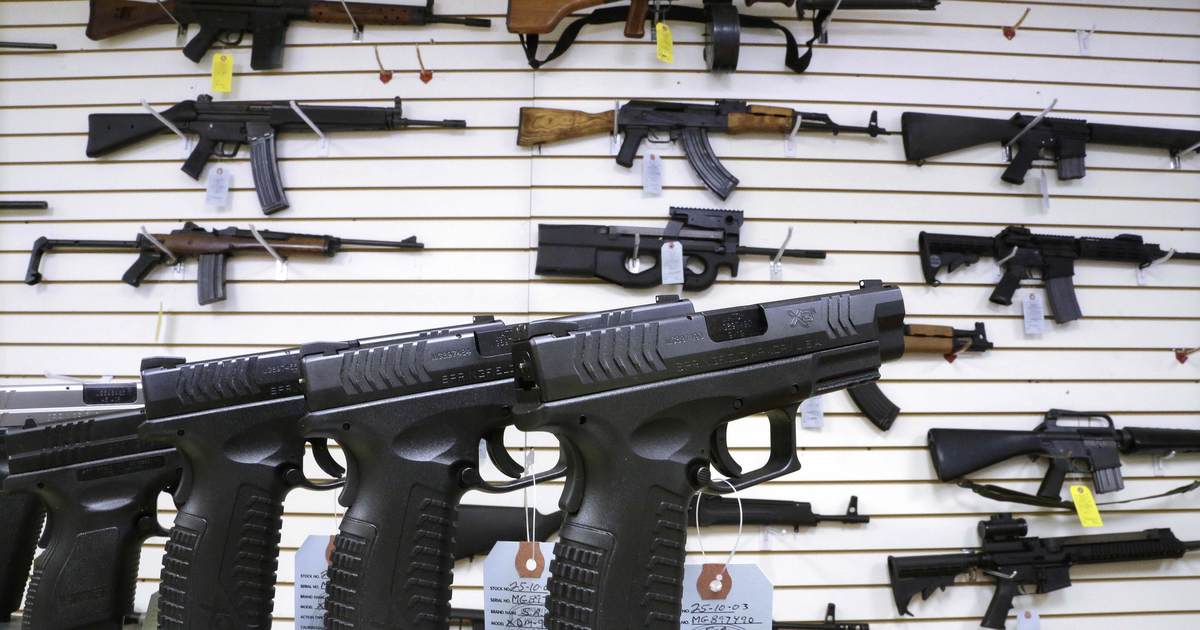
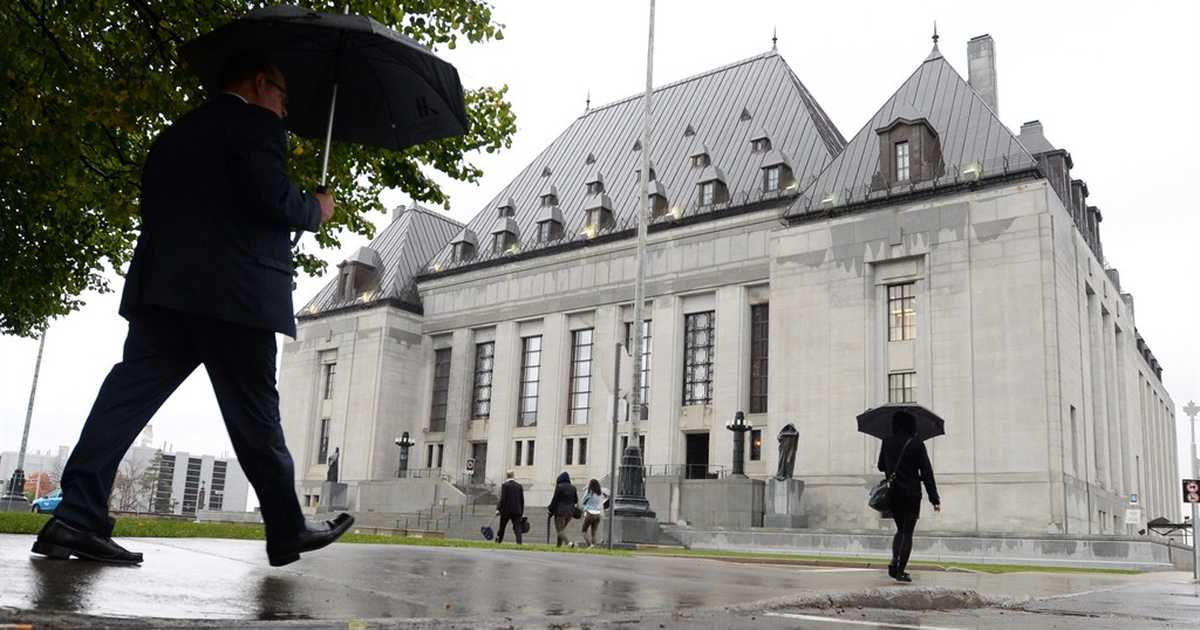
Canada's Supreme Court is hearing a challenge to Justin Trudeau's ban on hundreds of semi-automatic firearms this week. The ban arrived through an Order in Council, a Cabinet decree that Parliament never passed. Canadian gun owners are not arguing for a constitutional right to bear arms, because Canadian law contains none. Their argument is narrower: Trudeau's Cabinet exceeded the authority Parliament handed it. Lawyers for the Canadian Coalition for Firearm Rights are pressing that case before nine justices. The outcome could decide whether a prime minister can strike hundreds of models off the market with a signature alone.
Key Details
The hearing puts several hard facts on the record:
- Court: Supreme Court of Canada, nine justices hearing the case.
- Counsel: Michael A. Loberg represents the Canadian Coalition for Firearm Rights.
- Trigger event: A mass shooting in Nova Scotia in April 2020 killed 23 people, including the shooter.
- Announcement: About one month later, Trudeau announced that military-grade assault weapons would be prohibited.
- Legal vehicle: An Order in Council, the Canadian equivalent of a presidential executive order, never ratified by Parliament.
- Statutory test: The Criminal Code lets Cabinet restrict firearms it deems unreasonable for hunting and sports shooting.
- Lower courts: The Federal Court and the Federal Court of Appeal both dismissed the challenge, finding the government's public-safety rationale valid.
- Justice Glenn D. Joyal: Said many of these weapons “can be used safely,” but stressed that others use them in very different ways.
- Justice Mahmud Jamal: Said the government may have gone too far on some models, but that does not make the entire order defective. Individual models could be challenged.
The bench also pressed the challengers on whether they had weighed public safety against owners' interests. Counsel argued that the banned models have historically served hunting and sport shooting. The justices did not accept that framing as settled. Jamal's comments point to a middle path: strike specific models, leave the rest of the order standing.
Background
Canada's firearms regime has tightened for years, but the 2020 order marked a sharp break. After the Nova Scotia shooting, Trudeau's government moved by executive action rather than by a bill passed through Parliament. That choice is now the core of the case. Under the Criminal Code, Cabinet holds authority to restrict firearms that cannot reasonably be used for hunting or sports shooting. Challengers say Parliament never gave Cabinet a blank check to define entire categories of commonly owned rifles as off-limits. Both the Federal Court and the Federal Court of Appeal rejected that argument and accepted the government's public-safety justification. The case now sits before the country's highest court, which decides questions of statutory authority in ways lower courts cannot override. Canada's legal system does not treat firearm ownership as a Charter-protected right, which narrows the arguments available to owners. Their fight runs through administrative law and statutory interpretation, not a rights claim.
Why It Matters for Gun Owners
If you own a firearm classified as prohibited in Canada, this case controls your next move. A ruling that the order exceeded Cabinet authority would invalidate the ban, and owners could regain lawful possession of the affected models. A ruling that upholds the order, even partially, would leave the prohibition in place and show that a prime minister can reclassify firearms without a vote in Parliament. Canadian owners should track the court's written decision closely, read the exact language on which models are covered, and consult a Canadian firearms lawyer before buying, selling, or transporting any listed firearm. Keep your Possession and Acquisition Licence records current and documented. Americans should watch too. A Canadian ruling will not bind any U.S. court, but Canada's gun-control playbook has crossed the border before, and the question of whether executive decrees can redefine constitutional property rights carries weight in both countries.
DownRange Analysis
Bruen does not reach this case. Canada's courts do not apply a text-and-history test to a constitutional right to arms, because no such right exists in their charter. The fight is over whether an executive body stayed inside a statute. That is a narrower, and arguably stronger, path for owners, because the Criminal Code's "reasonable for hunting and sports shooting" test does not obviously cover a rifle that a hunter or competitor uses every weekend. Joyal's car analogy from the bench is the right instinct. Criminals misuse cars in terror attacks, and no government bans automobiles over it. The same logic applies to firearms. Right now, the practical step is simple. Watch the decision, document your lawful ownership, and do not treat a hearing as a victory. Courts hear arguments constantly and rule against the side that looked strong at oral argument.