Ohio Dealer Says ChatGPT Stopped Helping With Gun Marketing
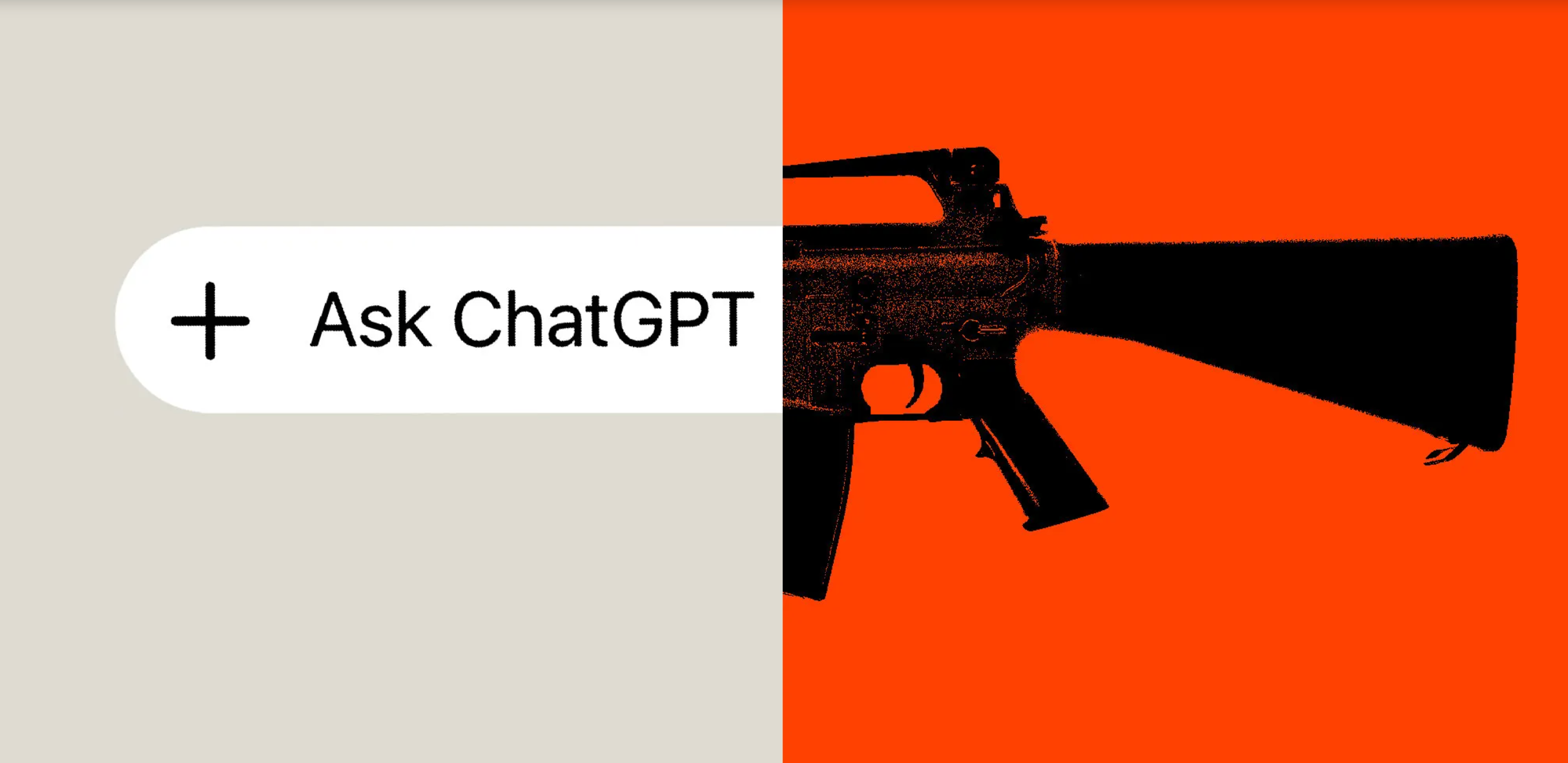
A licensed Ohio gun dealer says ChatGPT no longer helps with firearms marketing campaigns. The dealer reports the change followed new restrictions tied to OpenAI's commerce rules. The business relies on advertising to reach customers, so the loss hurts.
The dealer runs a federally licensed retail operation. That status lets the shop sell firearms legally under federal and state law. Marketing those sales is also legal. The problem is the tool, not the product.
Reports say the restrictions affect how the AI handles requests tied to firearms commerce. The source does not spell out exact policy language. It also does not list every blocked task. Dealers who used the tool for ad copy, product descriptions, and social posts now face a gap.
Why It Matters for Gun Owners
Every shop that loses a tool shrinks its reach. Small dealers rarely have big marketing departments. They lean on software to write copy, plan campaigns, and keep up with platforms. When that help disappears, customers hear less about in-stock inventory, sales, and local events.
Gun owners should watch this closely. Access to lawful retailers depends on the businesses that stay visible. A quieter market favors big chains with deep budgets. Independent dealers in rural areas may feel it first.
The bigger issue is precedent. If an AI provider restricts lawful firearms commerce, other platforms could follow. Ad networks already limit firearms promotion. Payment processors have cut off gun sellers in the past. Each new barrier adds friction to a legal trade.
Lawful owners also have a stake in fair treatment. Restricting a licensed dealer's marketing does not stop illegal sales. It mostly burdens the people following the rules.
Background
AI companies publish usage policies that govern what their tools will and will not do. Those policies often address weapons, violence, and regulated goods. Companies typically say the rules aim to prevent harm and misuse. Critics argue vague rules create over-blocking of legal activity.
Firearms businesses have faced this problem for years. Major social platforms have restricted gun advertising in various forms. Some payment processors have dropped firearms-related merchants entirely. Dealers often respond by shifting to direct mail, local media, and their own websites.
OpenAI's commerce rules govern how businesses may use its products for sales-related work. The source reports that the Ohio dealer hit a limit under those rules. Whether the restriction targets all firearms content or only certain requests remains unclear from available reporting.
Dealers who depend on digital marketing should audit their tools now. Backup plans matter. Keep a record of ad copy, product listings, and campaign templates. Write them in-house when possible.
DownRange Bottom Line
A licensed Ohio dealer lost a marketing tool, and that matters. Lawful firearms commerce should not disappear from AI platforms through vague rules. Gun owners should track whether other AI services follow this path. Ask dealers how they plan to stay visible. Support the shops that serve you. Watch for clearer policy language from OpenAI, and push for it if the restrictions stay broad.