Felon Grabs Robber's Revolver, Kills Him in Buford, Georgia
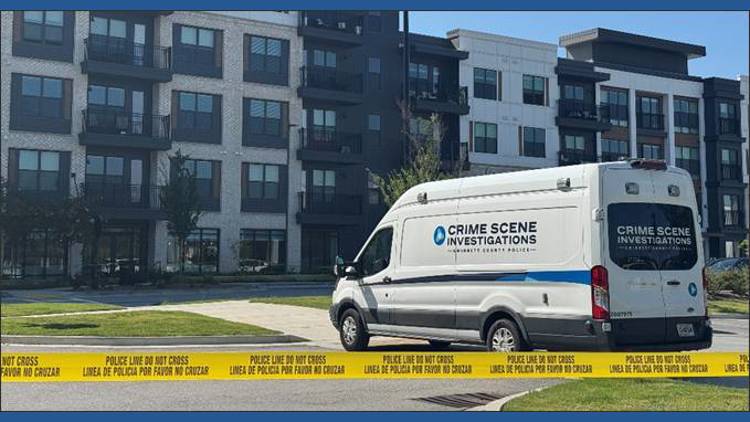
A convicted felon in Buford, Georgia, wrestled a silver revolver away from one of four armed robbers and shot two of them. Marvin Wiley, 23, of Atlanta, died from the gunfire. Gwinnett County Police Corporal J.K. Bell gave that account under oath at a preliminary hearing on Wednesday. The incident happened on Sept. 5, after the victim spent a night out in Atlanta. Four men followed him to Buford with one goal: robbery. The victim is a prohibited person under state and federal law, yet he has not been charged in the shooting.
Key Details
The timeline and charges from the hearing break down this way:
- Date: Sept. 5, with the robbery attempt beginning after the victim returned home to Buford.
- Attackers: Four men trailed the victim. Bell said Wiley was among them.
- Weapon: A silver revolver, taken from one robber and used against the attackers.
- Fatality: Marvin Wiley, 23, of Atlanta, killed by gunfire from the revolver.
- Second robber: Shot by the victim during the same encounter.
- Charges: E'imod Sanchez Toboris Taylor and Brinson Bernard Crumbley, 23, each face felony murder, armed robbery, aggravated assault, and a weapons count tied to Wiley's death.
- Victim status: A convicted felon, so federal and Georgia law bar him from possessing a firearm. He has not been charged.
- Odds: The victim faced four armed men alone, a four-to-one disadvantage.
The hearing record establishes the sequence of events. It does not resolve whether a jury will find the shooting justified. That decision rests with the district attorney's office, and no public charging decision has been made against the victim. The victim's name and the second robber's condition do not appear in the reporting available so far.
Background
Federal law makes it a felony for anyone convicted of a crime punishable by more than one year in prison to possess a firearm. That prohibition sits in 18 U.S.C. section 922(g)(1). Georgia has its own felon-in-possession statute, O.C.G.A. section 16-11-131. Prosecutors across the country use both statutes routinely, and courts have upheld them against facial challenges.
The Supreme Court changed the constitutional test in New York State Rifle and Pistol Association v. Bruen (2022). Under Bruen, the government must show that a gun regulation matches the nation's historical tradition of firearm regulation. In United States v. Rahimi (2024), the Court reaffirmed that the Second Amendment permits disarming individuals who pose a credible threat. Rahimi dealt with domestic violence restraining orders, not felony convictions. Lower courts have split on whether the felon ban survives as applied to nonviolent offenders. The Third Circuit's Range decision is the best-known example of an as-applied challenge succeeding.
Georgia's self-defense framework comes from O.C.G.A. section 16-3-21, which allows force to prevent a forcible felony, and section 16-3-24.2, which removes the duty to retreat in places where a person has a right to be. Georgia also adopted permitless carry in 2022, which shows the state's lean toward armed self-protection for lawful owners. Felony murder under O.C.G.A. section 16-5-1 makes participants in a dangerous felony liable for a death that occurs during it, which is why the two surviving suspects face murder charges for Wiley's death.
Why It Matters for Gun Owners
This case shows what a prohibited person faces when violence arrives at the door. A felony conviction does not erase the right to survive an attack. It does create a second problem. Possessing that revolver before the robbery, or carrying any firearm while prohibited, creates exposure that a self-defense claim must overcome. Prosecutors can argue that a prohibited person should not have had a gun at all, even if he used it to stop a murder.
Gun owners with prior convictions should treat this as a warning about status, not a loophole. Check whether your conviction triggers the federal ban under section 922(g)(1) and state law under 16-11-131. Restoration of rights through a state pardon, a set-aside, or federal relief procedures should come before you touch a firearm. Georgia's State Board of Pardons and Paroles handles clemency requests. Anyone with a prior felony should consult an attorney who handles both 922(g) defense and self-defense cases.
Anyone else in Georgia should review how armed robbers pick targets. Four men followed one man home from Atlanta. Pattern awareness, varied routes, and not announcing your residence matter as much as the gun on your hip.
DownRange Analysis
Under Bruen, the government has a historical argument for disarming felons, and Heller itself treated felon prohibitions as presumptively lawful. That presumption is not ironclad. The harder question is whether a prohibition can bar an individual from defending his life against an armed group that came to kill or rob him. The Second Amendment's core protects self-defense in the home. A prohibition that leaves a man defenseless against four armed robbers is hard to square with that core.
The practical answer for gun owners is blunt. Do not rely on a future court to fix your status. Right now, the law says prohibited persons cannot possess firearms. If you are prohibited, your options are to pursue restoration of rights, to avoid firearms until you do, and to protect yourself through other means such as awareness, locks, and lighting. If you are not prohibited, carry lawfully, document your training, and understand that a shooting in self-defense will still be reviewed by prosecutors and a jury.