Georgia Police Kill Family's Young Donkey During Welfare Call
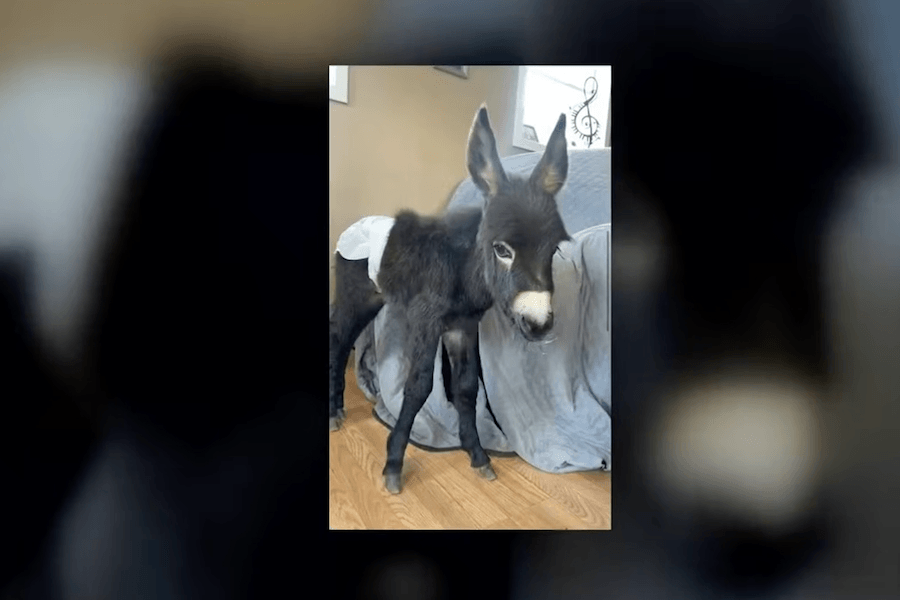
A Georgia law enforcement officer fatally shot a one-year-old donkey named HeeHaw during a welfare check at a family residence. The incident has sparked debate about police judgment calls involving animals and property on private land. The officer discharged his firearm at close range, killing the animal instantly in front of the family.
Why It Matters for Gun Owners
This case raises critical questions about officer decision-making authority on private property and the legal boundaries police face when livestock or animals appear. Gun owners frequently encounter law enforcement during traffic stops, welfare checks, or calls made by neighbors. Understanding how police assess threats—including those posed by animals—directly affects how firearms owners should interact with officers on their own land.
The incident underscores the importance of clear communication with police during calls. When officers arrive at a property, homeowners should establish authority and control quickly. Having animals secured or clearly identified as non-threatening protects both family and livestock. For daily carriers, this means knowing your state's laws on officer access to private property and the limits of police authority during welfare checks.
The shooting also highlights the distinction between threat assessment and execution. Officers receive training on animal behavior, but judgment calls vary widely. Donkeys, though protective animals, typically pose minimal threat to armed, trained personnel. The decision to use lethal force on livestock differs sharply from self-defense situations gun owners face.
What Happened
Officers responded to a call at the family's property in Georgia. Upon arrival, they encountered HeeHaw in the yard. The officer, apparently perceiving a threat, discharged his service weapon. The donkey died at the scene. The family was not present during the initial response, adding confusion to the situation.
Departments across the country handle animal encounters differently. Some officers receive specific training on de-escalation with animals. Others rely on general threat assessment frameworks designed for human encounters. Neither approach guarantees appropriate outcomes in every situation.
The family expressed shock and grief over losing their young animal. Donkeys bond with owners and become part of family routines. The loss carries financial and emotional weight. The incident sparked community discussion about police training standards and accountability for property damage.
DownRange Bottom Line
This incident serves as a reminder for gun owners: establish clear communication with police on your property. When officers respond to calls—whether welfare checks or reports from neighbors—meet them outside if possible. Identify animals clearly and ensure they're controlled or secured. Know your state's laws regarding police authority to enter private property without a warrant or permission.
For daily carriers, the practical takeaway involves de-escalation principles applicable to police encounters. Stay calm, use clear language, and avoid sudden movements. The same judgment gun owners expect when carrying in public applies to how police should handle calls at residences.
The HeeHaw case also reinforces the need for body camera footage and transparent incident reporting. Accountability mechanisms protect both communities and officers. Gun owners benefit from increased oversight of force decisions across all scenarios, not just those involving firearms.
Document your animals and property. Keep records of livestock descriptions and locations. This protects your interests if law enforcement responds to your property. Train family members on standard procedures for police encounters. Preparedness prevents tragic misunderstandings.