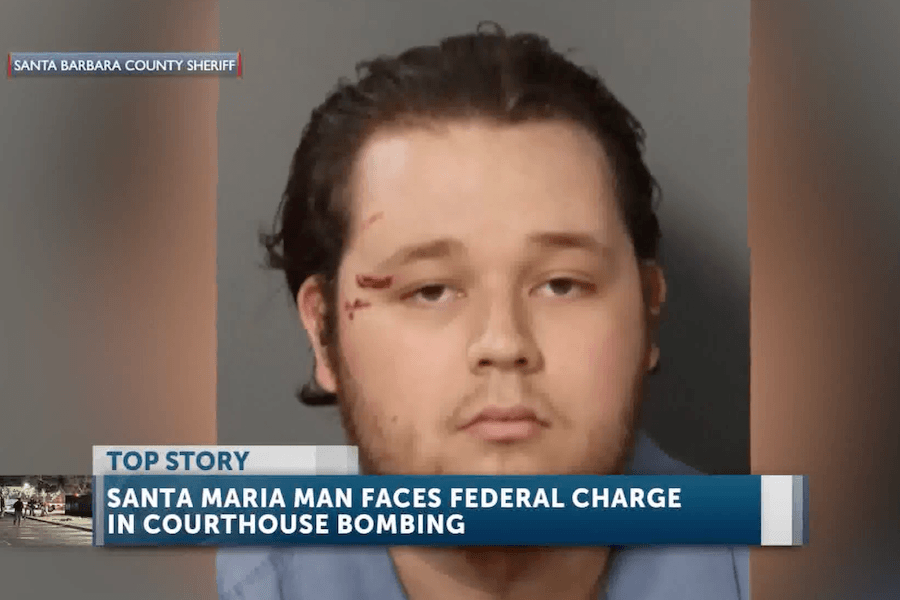
California Man Admits Courthouse Bombing and Planned Second Attack
A Santa Maria, California resident pleaded guilty to bombing the Santa Barbara County courthouse and plotting a deadlier follow-up attack. The defendant's admission came after federal investigators uncovered evidence of explosives, weapons caches, and detailed plans for additional violence targeting government buildings.
Federal authorities arrested the suspect following a tip about suspicious activity. Search warrants revealed multiple firearms, explosive devices, and detailed tactical notebooks outlining attack sequences. The courthouse bombing injured multiple people and damaged critical infrastructure. Investigators found evidence the suspect intended to strike again with larger explosive payloads.
The guilty plea eliminates the need for trial testimony. Sentencing is scheduled for later this year. Federal prosecutors signaled they will seek maximum penalties under bombing and weapons statutes.
Why It Matters for Gun Owners
This case will fuel anti-gun rhetoric despite the core crime being bombing, not firearms misuse. Anti-Second Amendment advocates routinely conflate all violent crime with gun ownership to justify broader restrictions on legal owners. Gun rights organizations must prepare for legislative responses that target gun owners generally, not explosive device users specifically.
The guilty plea means no courtroom examination of how law enforcement failed to detect the plot earlier. No cross-examination of informant reliability. No public vetting of investigative procedures. Gun owners should track whether federal agencies use this case to justify expanded surveillance of legal firearms purchasers.
California's existing gun laws did not prevent this attack. The state bans so-called "assault weapons," requires background checks, enforces magazine capacity limits, and mandates waiting periods. None of these restrictions stopped the suspect from obtaining explosives or planning violence. This illustrates how gun control statutes fail to address actual threats.
Media coverage will likely blur the distinction between bomb-making and gun ownership. This conflation pressures legislators to expand federal gun databases, restrict ammunition sales, or tighten licensing requirements—none of which address explosives manufacturing or detection.
Background
The Santa Maria area has experienced increased law enforcement focus on extremism following several incidents involving federal property. The courthouse bombing occurred in 2020 and damaged the building's front entrance, courtrooms, and administrative offices.
Federal investigators identified the suspect through surveillance footage, phone records, and tip information from the public. The subsequent search warrants uncovered an extensive weapons collection and documentation of target selection. Prosecutors alleged the defendant studied courthouse layouts, guard patterns, and visitor traffic to maximize casualties.
The second planned attack involved larger explosive charges and targeted additional government facilities. Investigators believe the suspect was gathering materials for a multi-site campaign against federal institutions over several months.
California courts have limited ability to impose sentences exceeding federal guidelines. The guilty plea likely signals a cooperation agreement or mitigation strategy avoiding capital charges. Sentencing recommendations from both federal prosecutors and defense counsel will determine actual time served.
DownRange Bottom Line
This guilty plea closes one case but opens broader questions about federal security failures. Explosives manufacturing, not firearms ownership, enabled this violence. Gun owners must distinguish between their constitutional rights and crimes using other weapons or devices entirely. Stay alert to legislative overreach using this case as justification for new restrictions on legal gun owners and ammunition sales. Track your state and federal representatives' responses to this incident closely.