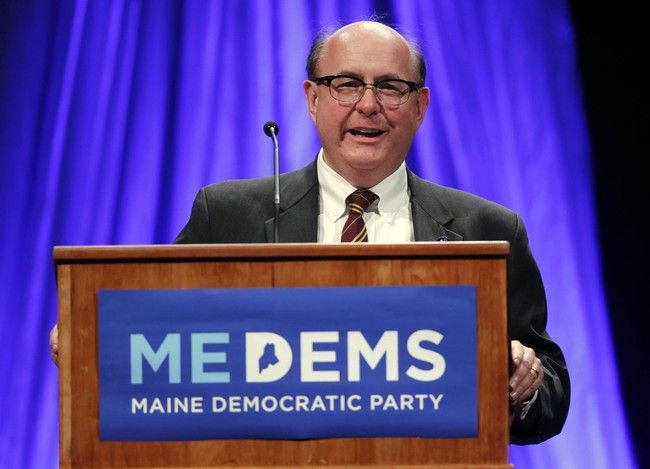
Maine Democrat Matt Dunlap Praised Red Flag Law, Then Denied Supporting It
Matt Dunlap, the Democratic candidate for Maine's 2nd Congressional District, told the Maine Women's Lobby that the state's voter-approved red flag law was “promising” and would “make people safer.” His campaign now says he did not vote for the measure and does not support it. The race pits Dunlap, a former Maine Secretary of State and current State Auditor, against Republican former Governor Paul LePage. Democratic Rep. Jared Golden is not seeking reelection, and independent Gregory Ward is listed as a write-in. Gun owners in the district now have two contradictory public records from the same candidate to weigh before November.
Key Details
The contradiction sits in the candidate's own words, captured in a conversation transcript the Maine Women's Lobby published:
- Dunlap called the passage of Question 2 a “promising” development and said it would make Mainers safer.
- He acknowledged that similar measures had failed in the legislature because of “great resistance,” with some lawyers worried about misuse by “very enterprising and energetic divorce lawyers.”
- He introduced himself as a longtime sportsman. He cited his past chairmanship of the Legislature's Fish and Wildlife Committee and his time as executive director of the Sportsmen's Alliance of Maine.
- Gun Owners of Maine graded Dunlap F. The group noted his on-record opposition to red flag or Extreme Risk Protection Orders before he reversed course.
- The NRA gave Dunlap a C. The Sportsmen's Alliance of Maine gave him an A+ and has not endorsed in the race.
- All three groups gave LePage an A+.
- NRA-ILA Executive Director John Commerford said Dunlap supports extending the federal background-check delay on gun purchases to 30 days. He also said Dunlap accepts contributions from anti-gun groups.
- Dunlap's campaign manager, Harry Burke, said Dunlap wrote the bill that created lifetime hunting and fishing licenses in Maine.
- The Maine Women's Lobby's 2024 Gun Safety Brief lists an Extreme Risk Protection Order law as a recommended policy solution.
Background
Maine already had a so-called “yellow flag” law before voters approved the red flag measure. Second Amendment advocates have long questioned civil disarmament laws of this kind, but the yellow flag statute included due process protections for people whose firearms could be taken. The referendum replaced that framework with one that, by the critics' account, lacks those safeguards. The change came through the ballot, not the legislature, which had repeatedly stalled similar bills. That history matters here because Dunlap's remarks suggest the legislative resistance he described was a reason the policy needed a public vote. Maine's voters made the decision, and the state now runs the system critics say is weaker on process. Federal background checks follow a default three-business-day window before a sale can proceed. Commerford's proposal would stretch that federal window to 30 days, a change that would affect every Maine buyer, not just people targeted by a protection order.
Why It Matters for Gun Owners
Maine residents with firearms now live under an ERPO regime that moves faster than the old process and offers fewer procedural checks. A protection order can lead to temporary removal of guns, often before the respondent has a full hearing. Gun owners across the state should understand that a court order, not a conviction, can trigger the process. Hunters and sportsmen should also pay attention to the candidate who runs on sportsman credentials. Voters who care about the state's red flag law should read the actual candidate statements, not campaign summaries. The gap between Dunlap's transcript and his campaign's denial is wide enough that voters should ask him, on the record, which version reflects his position. Watch for any follow-up interview, debate answer, or legislative vote where he addresses the statute directly. Also watch whether Maine's federal delegation pushes the 30-day background-check proposal that Commerford criticized.
DownRange Analysis
Under New York State Rifle & Pistol Association v. Bruen, a firearm regulation must fit within the nation's historical tradition of firearm regulation. Red flag laws face their strongest challenges on that test. Supporters point to United States v. Rahimi as a sign that the Court will tolerate some temporary disarmament tied to a judicial finding of dangerousness. Opponents argue that a civil order without a criminal finding and without robust process does not match the historical analogues. Maine's removal of the yellow flag process makes the due process question sharper, not softer. For a gun owner in Maine right now, the practical step is simple. Know which court can issue an ERPO against you, know how to document your lawful ownership, and keep your firearm records organized. Do not rely on a candidate's sportsman credentials when the record on this specific law says otherwise. Ask every candidate for a yes or no answer on the red flag law and keep their words in writing.