Georgia DoorDash Driver Fired Three Shots, Sheriff Calls It Self-Defense
A DoorDash driver who shot a man during an alleged carjacking in Martinez, Georgia, will not face charges for now. The Columbia County Sheriff's Office says Tyler J. Reese, 26, acted in self-defense when he fired three times on October 8 at Benjamin Robert Dasher, 29, outside a shopping center on Washington Road. Dasher was struck in the arm and abdomen. Investigators say Dasher will face a charge of criminal attempt to hijack a motor vehicle once he leaves the hospital. The investigation remains open, and the self-defense finding is labeled preliminary.
Key Details
The sheriff's account lays out a sequence that moved fast, starting in a parking lot and ending with a gunshot exchange in the driver's seat. Here are the facts reported so far:
- Date and time: October 8, starting around 5:35 p.m.
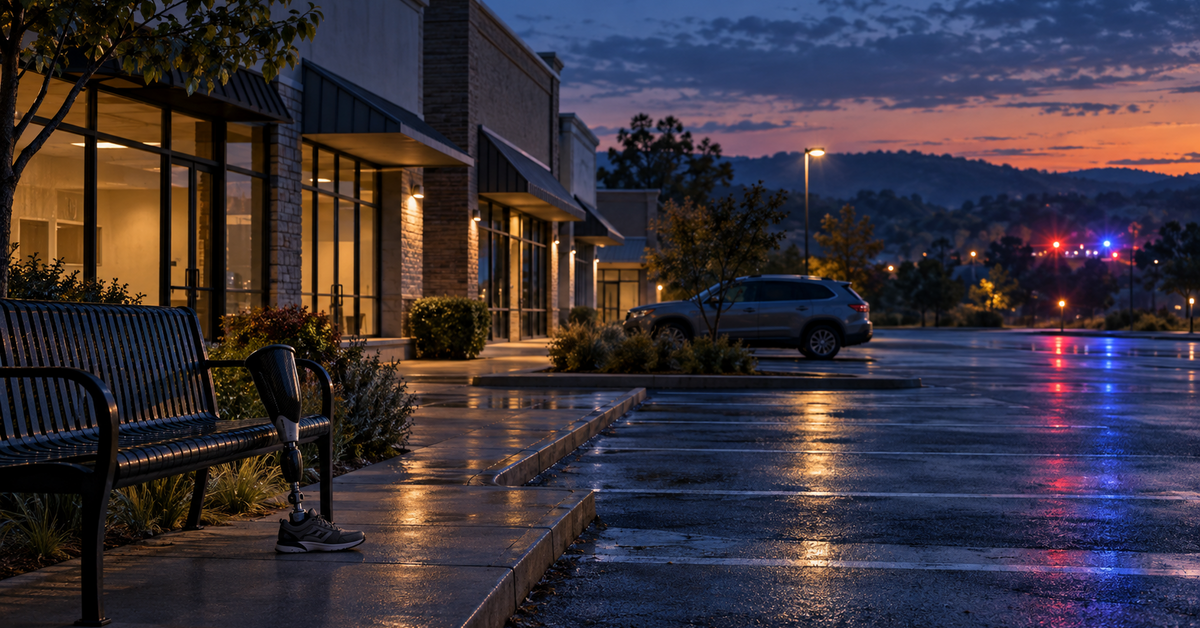
- Location: The 3800 block of Washington Road, Martinez, in Columbia County.
- Trigger: Reese had parked to collect a delivery order when Dasher approached, made a demand, and shoved him after Reese refused.
- De-escalation attempt: Reese pushed Dasher away and walked into a restaurant to pick up the order. Witnesses said Dasher had also acted aggressively toward other people near the market.
- Second approach: When Reese returned to his car, Dasher threatened to take the vehicle and pulled open the front passenger door.
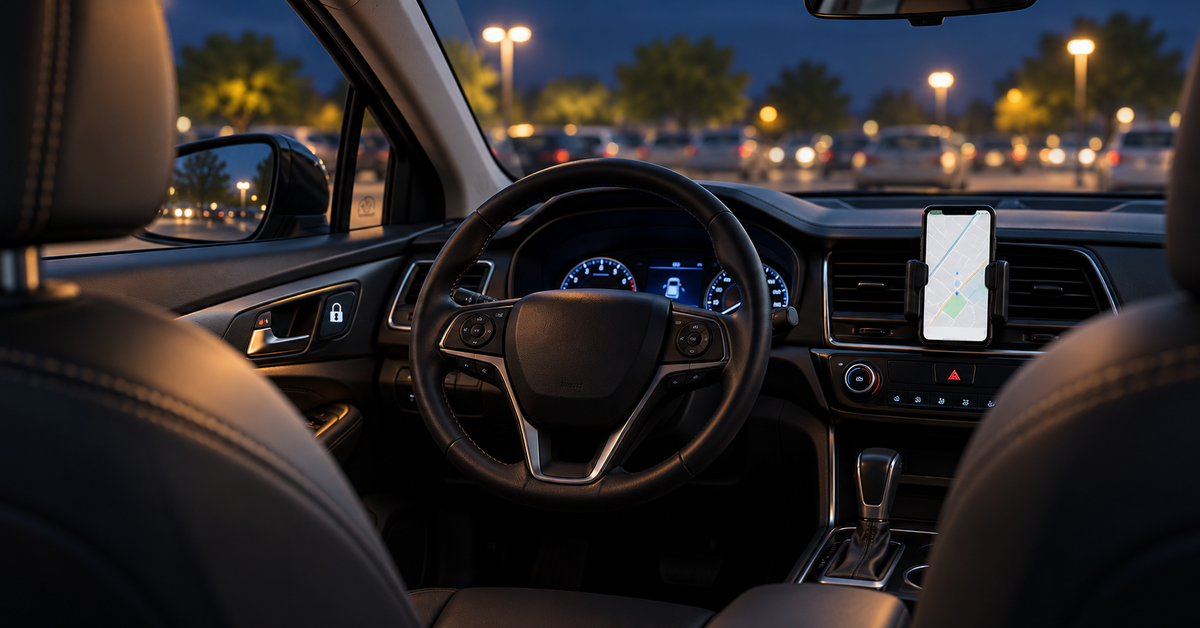
- Firearm display: Reese, seated behind the wheel, displayed his gun and told Dasher he wanted no more trouble.
- The shots: Deputies say Dasher threatened to take the gun, moved to the driver's side, and lunged through the open door. Reese fired three times.
- Aftermath: Reese stayed on scene and identified himself as the shooter. No bystanders were hurt.
- Evidence: Deputies cited surveillance video, witness statements, and physical evidence. The video reportedly has no audio.
- October 9 update: Dasher remained in intensive care, and his physician expected him to survive barring complications. Investigators plan to interview him once his condition allows.
Background
Georgia's self-defense framework rests on two primary statutes. O.C.G.A. § 16-3-21 allows a person to use force when they reasonably believe it is necessary to stop another person's imminent unlawful force. Deadly force carries a higher bar. The person must reasonably believe it is needed to prevent death, great bodily injury, or a forcible felony. Carjacking-type conduct, meaning an attempt to take a vehicle by force, qualifies as a forcible felony under Georgia law, which is why deputies framed the case around the vehicle attempt.
O.C.G.A. § 16-3-24.2 is the procedural tool that matters most after a shooting like this. It gives a defendant immunity from prosecution for force used in accordance with the justification statutes, and a defendant can seek a pretrial immunity hearing. The statute carries an exception tied to unlawful weapon possession, so the legality of the gun itself stays part of the review. Georgia adopted this structure in 2006. Separately, Georgia's permitless carry law took effect in July 2022, just weeks after the U.S. Supreme Court decided New York State Rifle & Pistol Association v. Bruen in June of that year. Those two changes together mean more Georgians carry without a license, and more of the self-defense disputes that follow run through these statutes.
Why It Matters for Gun Owners
This case hits the people most likely to find themselves in a parked car with a stranger at the window: rideshare drivers, delivery drivers, and anyone who sits in a lot waiting on a pickup. Georgia's justification statutes protect a driver who reasonably believes an attacker is about to take the car or the gun. They do not protect a driver who starts the fight, leaves a safe position, or escalates after a threat has ended. The sheriff's sequence matters here. Reese walked away, went inside, came back, and only then faced Dasher again. That pattern helps a self-defense claim, because it shows the driver tried to end the contact first.
Gun owners in any state should watch what happens with the video and the witness statements. The no-audio footage means prosecutors and defense attorneys will fight over body language, distance, and timing. Keep your own record of any approach. If someone opens your door, call 911 while you still have time. Lock your doors, keep your windows up, and do not reopen a door once a stranger has crossed the threshold of the vehicle. Those habits keep you from handing the other side a stronger argument than the one you already have.
DownRange Analysis
Bruen struck down New York's discretionary carry licensing scheme. It did not create a new self-defense doctrine. That distinction matters. Bruen protects the right to carry, but the shooting question still turns on state justification law, and a judge or jury will ask whether the driver reasonably believed deadly force was necessary. A man who lunges through an open car door while threatening to take the gun is the fact pattern that gives a justification claim its strongest footing. Georgia also removes the duty to retreat for someone lawfully inside a vehicle, which narrows the second-guessing a driver faces.
What should a gun owner do now? Practice drawing from inside a car, since that is where most of these confrontations start. Carry a holster that stays secure when you are seated and reaching. Learn your state's justification statutes before you need them. Keep your phone within reach and be ready to call 911 before any threat turns physical. And never pull a gun unless the threat has crossed into imminent danger of death or serious injury. Reese's case will not be the last one of its kind, and the cleanest outcomes go to the drivers who can show they tried everything else first.