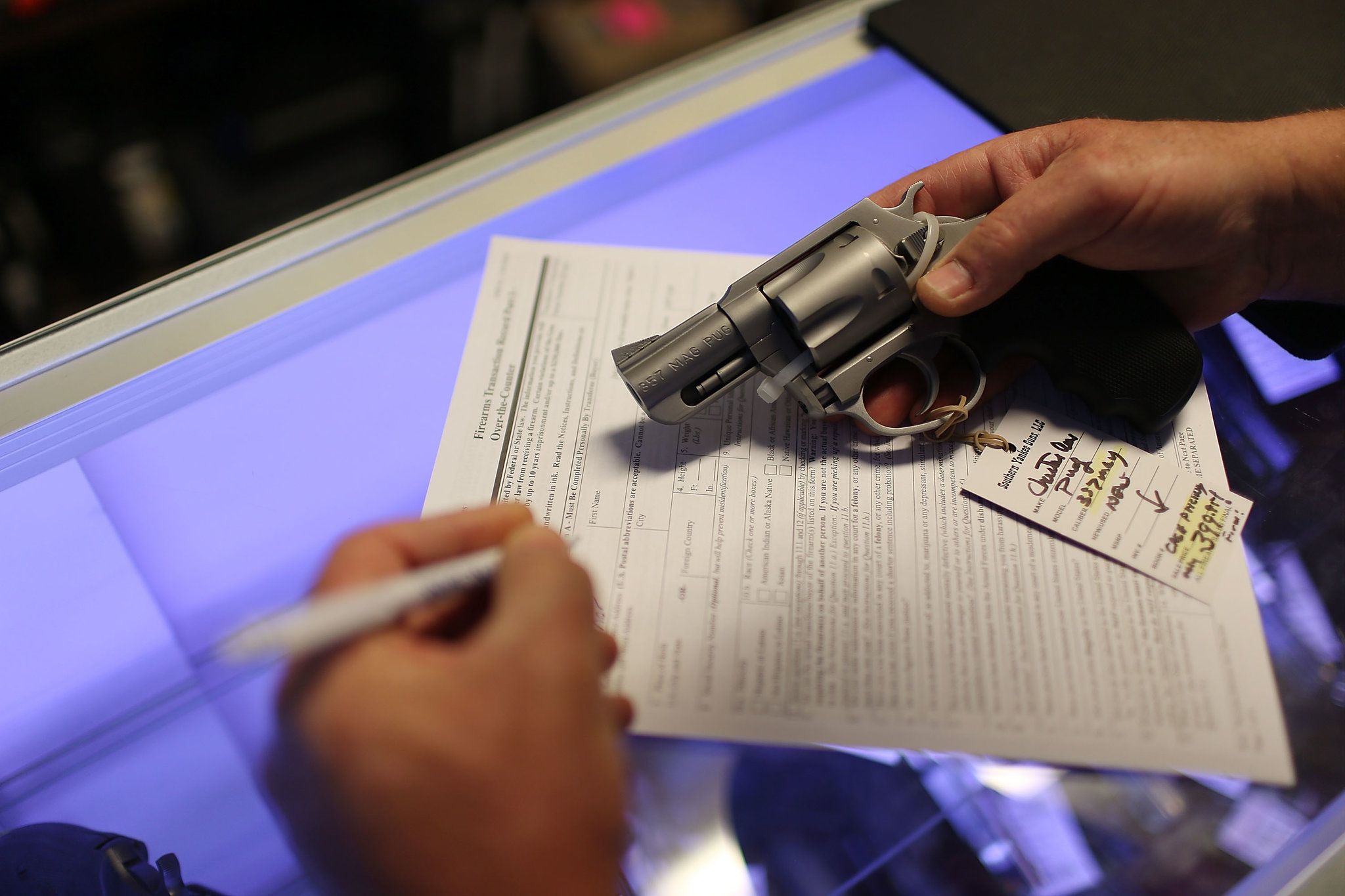
DOJ Finalizes Federal Process for Felons to Restore Gun Rights
The Department of Justice finalized a new regulation establishing a federal pathway for individuals with felony convictions to petition for restoration of their Second Amendment rights under 18 U.S.C. § 922(g). The rule, effective as of September 1, 2026, creates the first centralized federal mechanism for rights restoration, filling a gap left by state-by-state inconsistency in how convicted individuals regain firearm eligibility.
Key Details
- The rule establishes petition procedures and criteria for federal consideration of rights restoration based on rehabilitation, time served, and criminal history severity
- Petitioners must demonstrate they no longer pose a danger to public safety or themselves
- The process operates independently from state restoration procedures, allowing federal relief even in states with restrictive or non-existent restoration statutes
- DOJ will review petitions and issue binding determinations on eligibility under federal law
Why It Matters for Gun Owners
This rule directly impacts millions of Americans with prior felony convictions who currently face permanent firearm prohibitions. For those seeking restoration, the federal pathway offers a concrete alternative to state clemency boards or legislative relief—processes that are often opaque, politicized, or simply unavailable. Gun owners in restrictive states now have a federal option regardless of their home state's posture on restoration. However, federal approval does not automatically override state law; an individual restored federally may still face state prosecution in their jurisdiction. This creates legal complexity for interstate travel and ownership. The rule also signals DOJ's alignment with post-Bruen jurisprudence recognizing that permanent categorical bans on entire classes of citizens may not survive constitutional scrutiny.
DownRange Analysis
This rule reflects the judiciary's post-Bruen pressure on the executive branch to create narrower, more individualized prohibitions rather than blanket denials. The Supreme Court's 2022 Bruen decision emphasized that regulations must be grounded in historical tradition and cannot sweep broadly without showing public safety necessity on a case-by-case basis. A blanket lifetime ban on all felons increasingly looks vulnerable under that standard. Expect legal challenges arguing the criteria are too restrictive, and corresponding litigation from anti-gun groups claiming the process is too lenient. Gun owners should note: federal restoration is the beginning, not the end. State law compliance remains your responsibility. Consult a firearms attorney in your state before acting on any federal restoration grant.