Country Icon Packed .38 for Personal Protection, Drew on Harasser
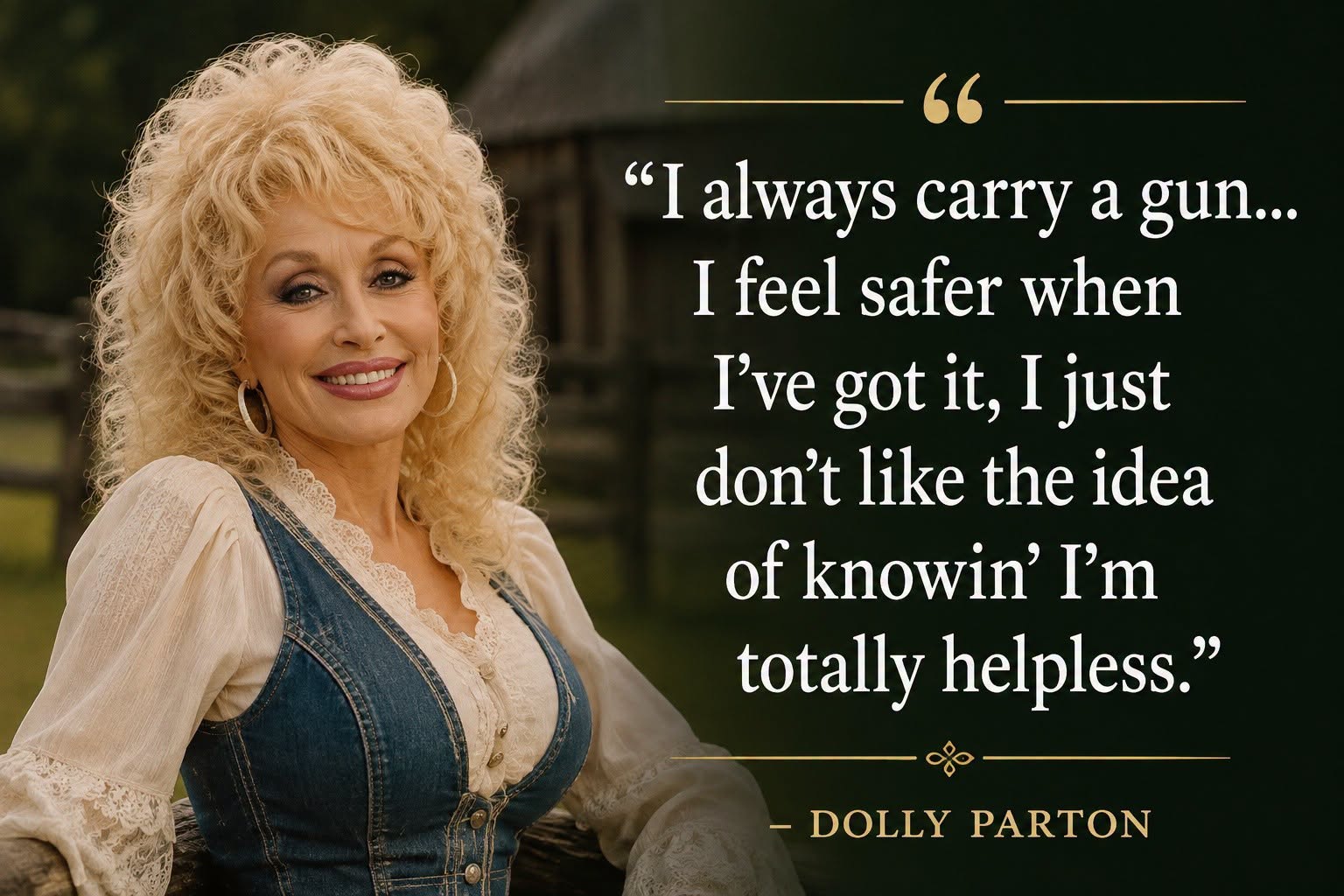
Dolly Parton openly carried a .38 revolver for self-defense and didn't hedge about it. The country music legend once drew that pistol on a man harassing her in New York City. She owned her choice without apology—a stance rare among public figures who typically distance themselves from firearms.
Parton's willingness to carry and use force when threatened stands out in an era where celebrities routinely condemn gun ownership while hiring armed security. Her actions matched her words. She didn't lecture others about disarming while protecting herself.
Why It Matters for Gun Owners
Parton's story matters because it normalizes what millions of Americans do daily: carry a firearm for protection. No permit drama. No social media apologies. No explaining to critics why a woman deserves the same right to self-defense as anyone else.
The .38 revolver she chose reflects practical thinking. Reliable. Simple. No manual safety to fumble during stress. Revolvers have earned trust among professionals and civilians alike precisely because they work when you need them.
Her New York incident demonstrates real-world self-defense. A man was harassing her. She drew her weapon. The threat stopped. No shots fired—but the pistol's presence ended the situation. That's textbook defensive gun use: deterrence through credible force.
For daily carriers, Parton's example cuts through the noise. She didn't need permission from activists or media figures to carry. She assessed her risk, chose appropriate protection, and stayed ready. That's the mindset that separates responsible gun owners from those waiting for permission to exercise rights.
The .38's role in her story also matters. Modern shooters sometimes dismiss revolvers as outdated. Parton's experience shows they remain effective tools. A snub-nosed .38 still stops threats. Still fits in a bag or jacket. Still requires no complicated manual of arms.
Background
Dolly Parton built one of entertainment's most recognizable careers spanning decades. Her influence extended beyond music into business, philanthropy, and social commentary. Throughout her life, she maintained independence—financial, creative, and personal.
That independence included armed self-defense. Parton never participated in gun-control activism despite pressure within entertainment circles. She recognized that her right to carry didn't depend on others' comfort levels or political positions.
The .38 revolver has historical significance among self-defense carriers. Police departments relied on .38 Special for generations. Civilians adopted the cartridge for similar reasons: adequate stopping power with manageable recoil in compact packages. Modern ammunition technology makes .38 Special even more effective than when Parton carried hers.
New York's historical hostility toward civilian carry makes her choice even bolder. She exercised a right that state officials actively discourage. She traveled to a jurisdiction hostile to her freedom and carried anyway.
DownRange Bottom Line
Dolly Parton carried a .38 revolver, drew it when threatened, and never apologized. That straightforward approach to self-defense offers clarity for gun owners navigating cultural pressure and legal complexity.
Her story confirms what concealed carry holders already know: responsible armed self-defense isn't radical or shameful. It's practical, personal, and non-negotiable. Parton's example stands as a reminder that strong people across all walks of life make the same choice daily—carrying the tools they trust to protect themselves.
No apologies required.