Steiner Releases MPS 2.0 Enclosed Emitter With Improved Ergonomics
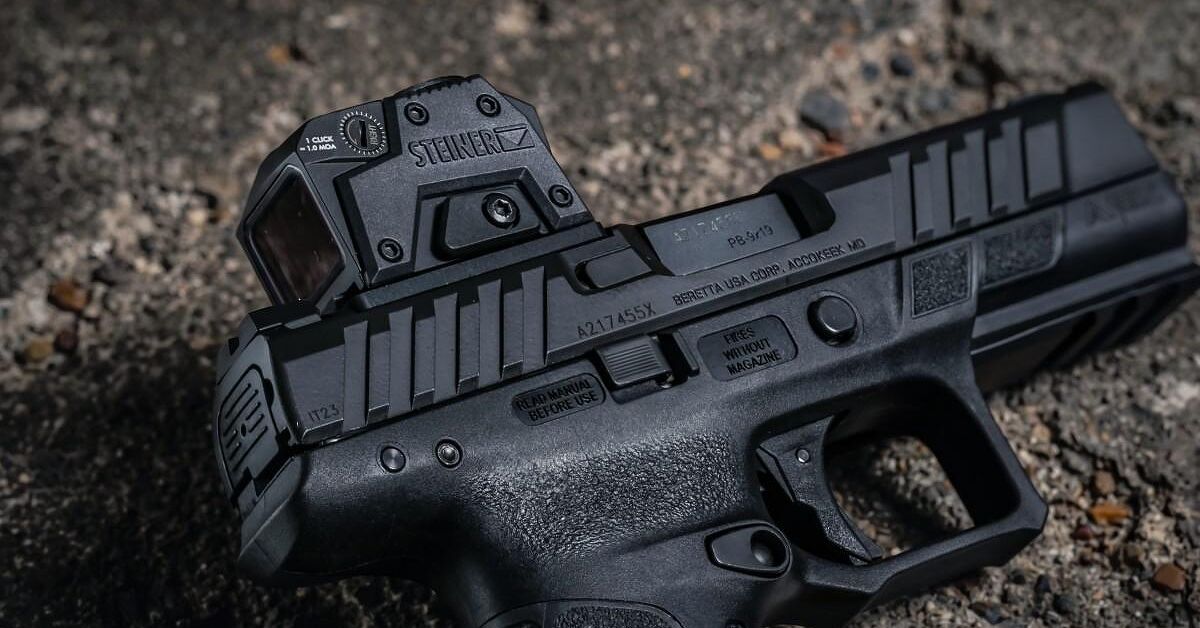
Steiner has rolled out the MPS 2.0 micro pistol sight, an upgraded version of its enclosed emitter platform. The refresh adds larger button controls and improved battery life while keeping the same price point—no markup for the enhanced features. The move signals that enclosed emitter optics continue gaining traction in the duty and carry market.
Key Details
- Larger button design improves usability in high-stress or cold-weather conditions
- Extended battery runtime reduces need for frequent battery changes in field deployment
- Price holds steady—no cost increase from the original MPS
- Enclosed emitter architecture protects the LED and optics from debris and impact
Why It Matters for Gun Owners
Enclosed emitter sights have become the de facto standard for serious carry guns and duty weapons because they eliminate the fragility of open-emitter designs. Bigger buttons matter. When you're training hard, wearing gloves, or running scenarios under pressure, tactile feedback and control real estate count. Battery life directly impacts reliability—a sight that runs longer between changes is one that doesn't fail you during a critical moment. Steiner's decision to absorb the cost of improvements rather than pass them to consumers signals confidence in the design and recognition that this segment is maturing. For 1911 shooters, Glock users, and competition pistol runners, this refresh keeps enclosed emitters competitive as options pile up in the micro red-dot market.
DownRange Analysis
The enclosed emitter category has moved past novelty into standard-issue territory. Steiner's MPS 2.0 doesn't claim revolutionary features—it fixes real friction points in the original. Larger buttons and better power efficiency are operator-focused changes that live in the weeds of everyday carry. The price hold is the story here. Steiner is betting that incremental improvements, combined with a proven platform, will hold ground against newer competitors without the cost escalation that kills adoption. For a brand pulling consistent positive feedback on durability and reliability, that's a solid play. If the battery life improvement is meaningful—we're talking 50+ percent gains, not marketing speak—this becomes a hard-to-ignore choice for duty users.