FBI: Murder Rates Dropped in 2025 Despite Record Gun Sales
The FBI's official crime statistics for 2025 confirm what Second Amendment advocates have argued for years: violent crime declined nationally even as gun ownership expanded, Constitutional Carry laws spread across more states, and millions of firearms entered civilian hands annually. The data directly refutes the "more guns, more crime" narrative that has dominated gun-control advocacy since the 1990s.
Key Details
- Murder rates fell sharply in 2025 compared to prior years, according to FBI data.
- Constitutional Carry expanded to additional states during this period, removing carry permit requirements for law-abiding citizens.
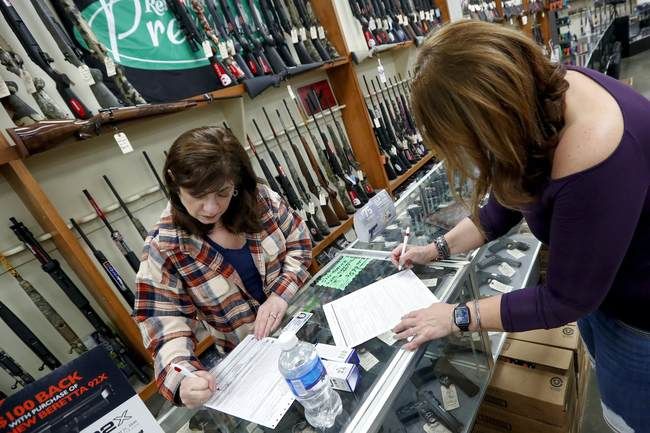
- Annual firearm sales remained in the millions, with no significant drop in civilian gun purchases.
Why It Matters for Gun Owners
This data matters because it provides hard evidence against the primary rhetorical weapon used by gun-control groups in legislative battles. When anti-gun activists claim that permitting more citizens to carry guns increases violent crime, they're now factually wrong by their own standard metric. For gun owners, this creates an opening: if murder rates fall while carry permits disappear and gun ownership rises, then removing legal barriers to carry doesn't create violent crime. Carry advocates can cite FBI data directly when legislators claim Constitutional Carry will spike homicides. This is particularly valuable in states considering Constitutional Carry laws, where fear-based testimony typically dominates committee hearings.
DownRange Analysis
The FBI data strip away one of anti-gun groups' strongest talking points. For years, they've used correlations between gun ownership and violent crime to justify magazine bans, permit systems, and carry restrictions. That argument collapses when crime falls despite record gun ownership. This doesn't prove guns reduce crime—causation runs both ways—but it destroys the claim that widespread gun ownership automatically generates violent crime. Gun owners should expect this data to appear in Constitutional Carry battles and Second Amendment litigation over the next two years. It's hard evidence that existing crime-prevention tools (community policing, incarceration, economic opportunity) are what matter, not whether civilians can carry a gun legally.