Fifth Circuit Rules Against Federal Switchblade Ban, Splitting With Ninth
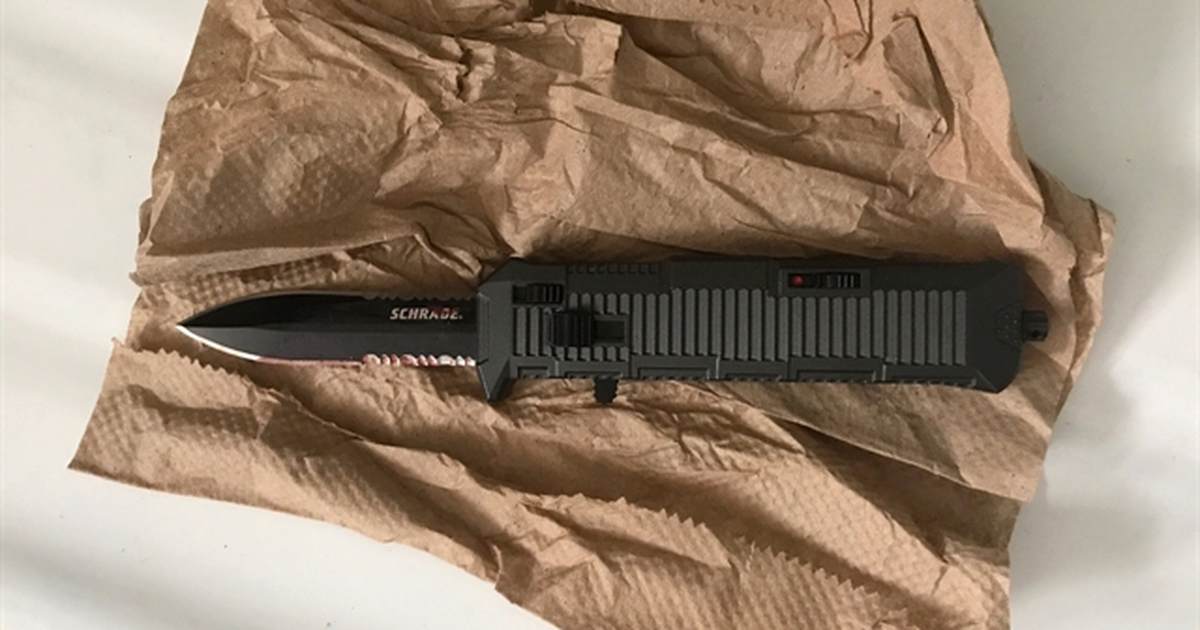
The Fifth Circuit has ruled against the federal switchblade ban, and that ruling now conflicts with a Ninth Circuit decision that upheld the same statute. Judge Elrod pointed out that the government cannot point to a real historical tradition of banning these knives. The Department of Justice defended the law in court, arguing it fits within a historical power to regulate “dangerous and unusual” weapons. That argument is weak on both counts. The ruling puts a clear circuit split on the table, and the Supreme Court is the only body that can settle it.
Key Details
The core facts from the reporting are straightforward. Here is what matters most:
- Fifth Circuit: Struck down the federal switchblade prohibition, citing a lack of historical regulation.
- Judge Elrod: Noted that no meaningful historical analogue supports regulating switchblades the way the federal government has.
- Ninth Circuit: Upheld the same federal ban. That ruling creates the split.
- Department of Justice: Defended the ban and argued it matches a historical tradition of regulating “dangerous and unusual” arms. The reporting leaves open whether DOJ will seek further review of the Fifth Circuit decision.
- Ninth Circuit plaintiffs: Expected to file a cert petition with the Supreme Court. That filing means the High Court could address the split even if DOJ does nothing.
- Automatic knives: Push-button knives that open with a single press operate much like switchblades. They are common today, and the reporting describes no notable misuse problem tied to them.
- Bowie knife statutes: Expected to be cited by the government as a historical parallel. The reporting says the comparison is imperfect.
- Coverage: Cam Edwards discussed the ruling on Cam & Company on Thursday, October 22.
Background
Congress passed the Federal Switchblade Act in 1958, during a period when gang violence in American cities drew heavy press coverage. The law bars the manufacture, importation, and interstate sale of switchblades. It does not ban ownership outright, but it cuts off the interstate supply chain, which matters for anyone buying knives from out-of-state makers. Many states added their own restrictions on switchblades over the following decades, and some still do.
The legal framework changed in 2022. In New York State Rifle & Pistol Association v. Bruen, the Supreme Court held that a firearms regulation must match the nation’s historical tradition of firearm regulation to pass constitutional muster. Courts have since applied that test to everything from carry permits to bans on specific weapons. In United States v. Rahimi in 2024, the Court refined the approach and told lower courts to look for analogues with a similar principle, not a perfect historical twin. Both cases shape how the Fifth Circuit reached its result. Post-Bruen knife litigation has pushed courts to test the old switchblade framework against the same standard that now governs gun laws.
Why It Matters for Gun Owners
The practical effect depends on where you live. The Fifth Circuit covers Texas, Louisiana, and Mississippi. A circuit ruling binds the federal district courts within that circuit, so prosecutors and judges there now face a decision that favors knife owners. The Ninth Circuit covers California, Oregon, Washington, Arizona, Nevada, Idaho, Montana, Alaska, and Hawaii, and in that region the federal ban remains enforceable under the prior ruling.
Do not assume the ruling makes switchblades legal to buy, sell, or carry everywhere. The federal statute still stands in the Ninth Circuit and nationally until the Supreme Court or Congress acts. State knife laws also apply independently. A Texas owner still needs to check local ordinances on blade length and carry, and a Californian faces state restrictions regardless of what happens in Louisiana. If you order knives across state lines, hold off until the legal picture settles, because the federal statute still covers interstate commerce outside the Fifth Circuit.
Watch three things: whether DOJ seeks rehearing or Supreme Court review, whether the Ninth Circuit plaintiffs file their cert petition, and whether the Court grants it. Each step changes how long this split lasts.
DownRange Analysis
This ruling tests Bruen on ground the gun rights movement has long wanted to contest. The government’s best argument rests on the idea that “dangerous and unusual” weapons sit outside constitutional protection. That phrase traces back to language in Heller, and the Court has never used it to create a broad exemption. Automatic knives are common, and most owners never misuse them. The “unusual” prong collapses when the item sits in millions of pockets.
Elrod’s historical point is the harder one for DOJ to answer. If the government cannot show a tradition of banning these knives, the statute lacks the foundation Bruen requires. The Bowie knife analogy is a stretch. Bowie statutes targeted a specific weapon in specific contexts, not a mechanism that opens a blade with a button.
For gun owners, the right move is to stay informed, support the litigation carrying this issue forward, and avoid testing the federal law in the meantime. A split like this rarely lasts long at the Supreme Court level. Pay attention to the cert petition docket, and do not treat a single circuit ruling as a green light for interstate transactions.