FPC Files SCOTUS Brief to Overturn All Assault Weapon Bans
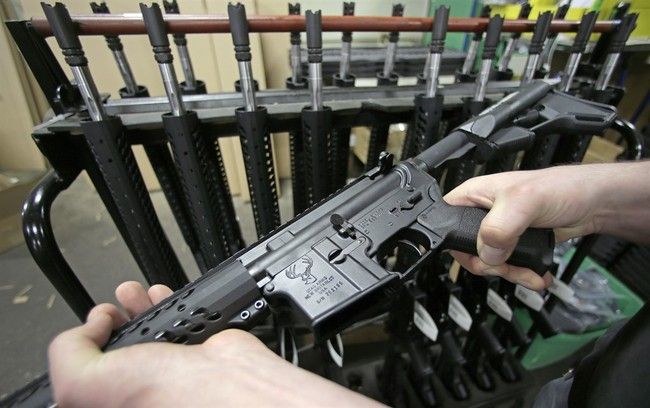
Firearms Policy Coalition filed a petition with the Supreme Court targeting assault weapon bans across the country, demanding the Court hear arguments that such restrictions violate Second Amendment protections established in New York State Rifle & Pistol Association v. Bruen (2022). The brief attacks both state-level and federal prohibitions on commonly owned modern rifles, positioning the case as the next major battleground after Bruen fundamentally reshaped 2A jurisprudence.
Key Details
- FPC's petition centers on post-Bruen legal standards that require government to justify gun restrictions through historical precedent, not public safety interest alone
- The filing challenges the constitutionality of assault weapon bans in states including California, New York, Colorado, Connecticut, and others with categorical prohibitions
- FPC frames modern rifle restrictions as failing Bruen's historical test—no 18th or 19th-century equivalent banned entire classes of commonly possessed arms
Why It Matters for Gun Owners
Assault weapon bans affect millions of AR-15 owners, AK-pattern rifle shooters, and other modern rifle enthusiasts in restricted states. If SCOTUS takes the case and rules in FPC's favor, categorical bans in nine states would face immediate constitutional collapse. States with grandfathering provisions would likely face pressure to extend or eliminate grandfather clauses. Gun owners in banned-state jurisdictions could regain legal access to standard modern rifles without registration or licensing schemes. Conversely, rejection or delay signals the Court views the issue as settled, which would defer challenges to lower courts for years. This petition represents the most direct constitutional assault on assault weapon bans since Bruen shifted the legal framework.
DownRange Analysis
FPC's timing is strategic: Bruen destroyed the traditional rational-basis framework that upheld bans for decades, but SCOTUS hasn't yet ruled a specific ban unconstitutional. This petition forces the issue. The historical test FPC relies on is solid—colonial militias used the most advanced rifles available, and the Framers protected access to militia-standard arms. Lower courts have split on applying Bruen to bans, creating the circuit split SCOTUS typically requires to grant cert. Whether the Court accepts depends on its current composition and docket pressure. Gun owners should monitor this filing closely; a grant of cert would trigger nationwide focus and likely hostile state legislative responses before argument. Rejection wouldn't kill the issue—individual state cases will continue grinding through appeals.