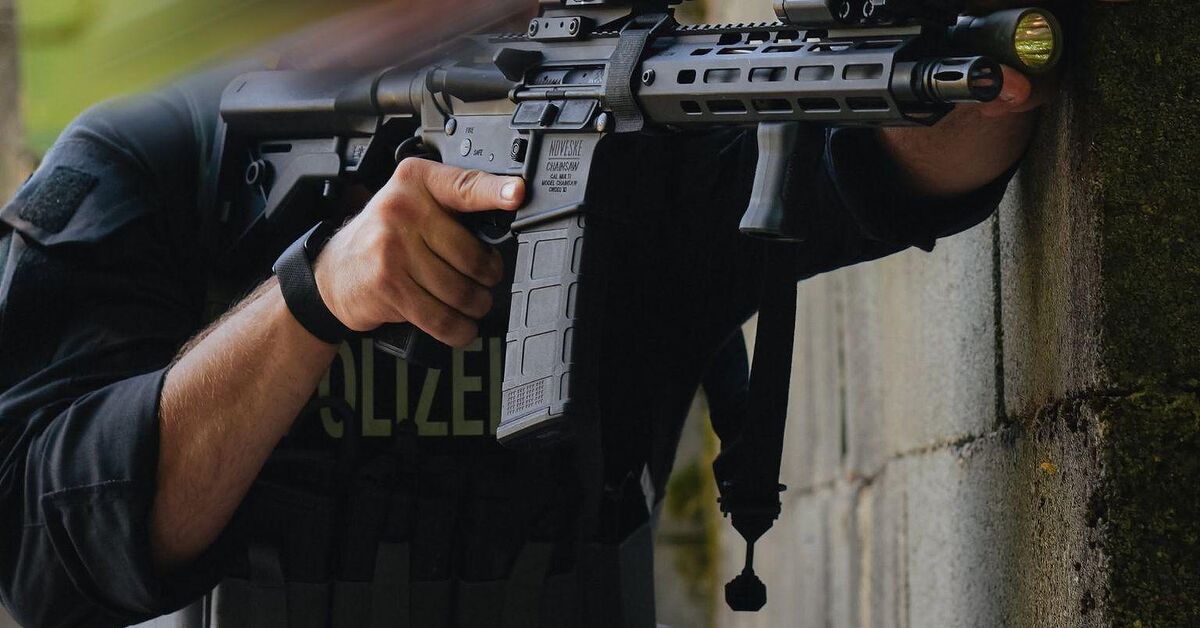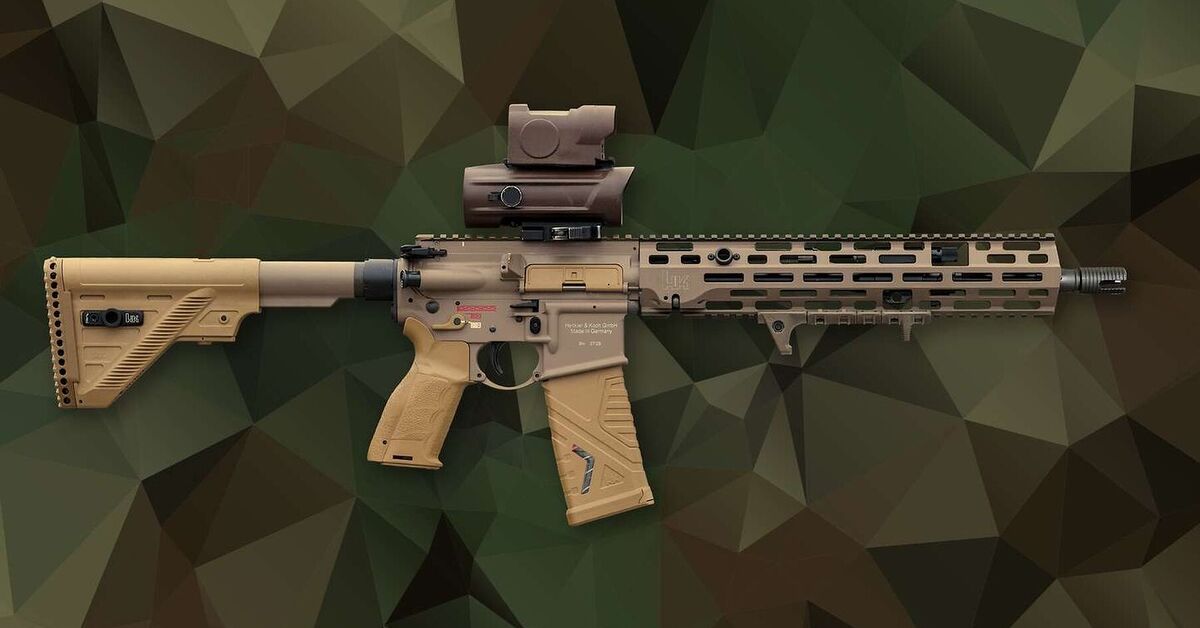
Germany Adopts HK416-Pattern G95 to Replace Three-Decade-Old G36
Germany's Bundeswehr officially transitioned to the G95 rifle, ending the G36's thirty-year service life. Heckler & Koch manufactures the G95 as a Bundeswehr-specific variant of the HK416, built on the AR-15 platform standard across NATO forces. The shift aligns German infantry with allied nations already operating direct-impingement carbines and demonstrates Berlin's commitment to NATO standardization.
The G36, introduced in the 1990s, served German forces reliably but faced criticism over accuracy concerns at extended ranges. The new G95 addresses those shortcomings while maintaining familiarity with existing NATO logistics. German soldiers transition to a rifle chambered in 5.56 NATO, matching ammunition supplies across the alliance.
H&K's design family includes the G27 and G28 variants, both based on the AR-10 pattern for designated marksman and support roles. This modular approach mirrors how U.S., British, and Canadian forces organize their rifle platforms—one base system, multiple configurations for different operational needs.
Why It Matters for Gun Owners
This shift signals how modern military procurement works globally. When a major NATO army abandons a rifle after decades, that equipment floods secondary markets. Used G36 rifles may appear in civilian channels overseas, though U.S. import restrictions limit American availability.
More importantly, the G95 adoption reinforces that AR-pattern rifles dominate modern warfare. Whether as the M16, M4, HK416, or now the G95, this design remains the global standard. For American gun owners, this validates the AR-15's position as the most tactically relevant carbine platform available. The rifles filling gun shop shelves today use the same fundamental mechanics Germany's military chose after evaluating alternatives.
The transition also demonstrates how military standardization drives civilian market trends. As NATO armies adopt HK416 variants, aftermarket parts become more available and affordable. Optics, rail systems, and ammunition designed for military use reach civilian consumers faster.
Background on German Military Rifles
The G36 entered service in 1997, representing German engineering at peak Cold War momentum. H&K designed the rifle for precision and reliability, but reports emerged in the 2000s suggesting accuracy degradation during sustained fire. Heat caused polymer components to shift, throwing shots downrange. While later investigations questioned the severity, the narrative stuck.
Germany tested replacements for over a decade. The Bundeswehr evaluated various platforms before H&K's own HK416 proved superior in trials. The G95 designation indicates a rifle purpose-built for German specifications, not simply importing the commercial HK416.
This mirrors how the U.S. evaluated replacements for the M16—extensive testing, multiple candidates, eventual reliance on proven AR-pattern engineering. Germany chose the same path.
DownRange Bottom Line
Germany's adoption of the G95 confirms what American shooters already know: the AR-15 pattern works. A NATO power with extensive resources, technical expertise, and operational demands didn't invent something new. They bought a better version of what already dominates global arsenals.
For civilian carriers, this matters because military adoption drives supply chains. More HK416-pattern rifles in military service means more parts, more ammunition, more support infrastructure. The G95 won't see American gun ranges, but its existence validates the rifles that will.