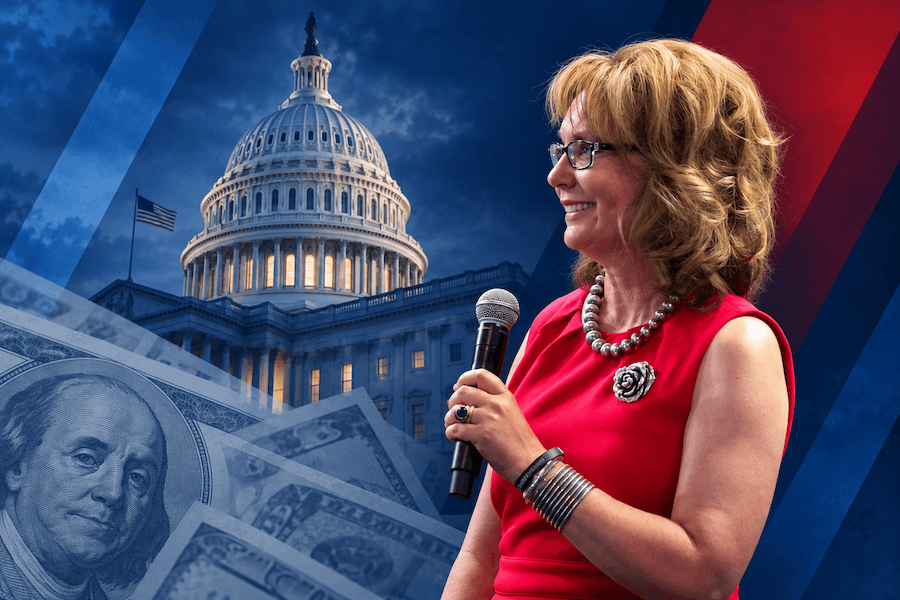
Anti-Gun Group Deploys $10 Million Campaign for 2026 Midterm Elections
GIFFORDS, the anti-gun organization founded by former Representative Gabrielle Giffords, announced a $10 million advertising blitz targeting pro-Second Amendment candidates ahead of November 2026 midterm elections. The spending represents a significant commitment to influence races across multiple states and congressional districts.
The group plans to direct funds toward digital ads, television spots, and voter outreach in competitive races. GIFFORDS' strategy focuses on candidates who oppose further gun restrictions or have received endorsements from pro-gun organizations.
This move signals escalating election spending by anti-gun groups determined to shift legislative majorities. Gun owners should expect increased advertising questioning Second Amendment protections in their districts through 2026.
Why It Matters for Gun Owners
Election spending by anti-gun organizations directly impacts ballot measures and candidate selection. When GIFFORDS and similar groups inject millions into campaigns, they shape which politicians advance to general elections. This affects your ability to carry, purchase firearms, and defend yourself legally.
The $10 million deployment means specific districts will see coordinated messaging against pro-gun candidates. Voters in swing districts may encounter ads claiming pro-Second Amendment positions endanger communities—framing that ignores defensive gun use and constitutional rights.
Gun owners face a practical reality: anti-gun funding demands matching effort from pro-gun organizations and voters. Turnout matters. Candidate selection in primaries matters. Understanding which politicians receive anti-gun support helps you make informed choices.
States with strong pro-gun majorities will likely see GIFFORDS concentrate resources in purple districts where margins run narrow. If you live in a competitive area, expect this spending to intensify local races you may otherwise overlook.
Background
GIFFORDS has operated since 2013, following the shooting that wounded former Representative Gabrielle Giffords in Arizona. The organization has consistently pushed for magazine capacity restrictions, universal background checks, and red flag laws. They've funded successful ballot initiatives in Colorado, Nevada, and Washington state.
The group previously spent significantly during 2020 and 2022 election cycles. Their 2024 spending preceded successful passage of Initiative 1922 in Washington state, which banned standard-capacity magazines for most firearms. GIFFORDS declared the measure a major victory for their policy agenda.
Election spending by anti-gun groups accelerated after 2020. GIFFORDS raised record donations as supporters viewed firearms legislation as achievable through ballot measures and legislative control. The organization maintains sophisticated digital targeting capabilities and established relationships with Democratic candidates nationwide.
Pro-gun organizations including the NRA, Gun Owners of America, and Second Amendment Foundation counter this spending with their own campaigns. However, anti-gun groups have consistently outspent pro-gun organizations during midterm cycles in recent years.
DownRange Bottom Line
$10 million buys significant advertising volume in swing districts. GIFFORDS' midterm investment signals their confidence in demographic trends and fundraising strength. Gun owners shouldn't underestimate this spending—it directly determines which politicians advance and which policy proposals gain traction.
Your response matters more than the opposition's spending. Vote in primaries. Support pro-gun candidates with donations and volunteering. Discuss Second Amendment issues with neighbors before advertising saturates your market. When anti-gun groups spend $10 million, engaged gun owners respond by recruiting voters who understand the stakes.
The 2026 midterms will determine control of state legislatures and Congress for redistricting that extends through 2032. This spending isn't about a single election cycle—it's about long-term control of policy. Treat it accordingly.