GRITR's OMNI Holsters Start at $49.99 and Switch IWB to OWB
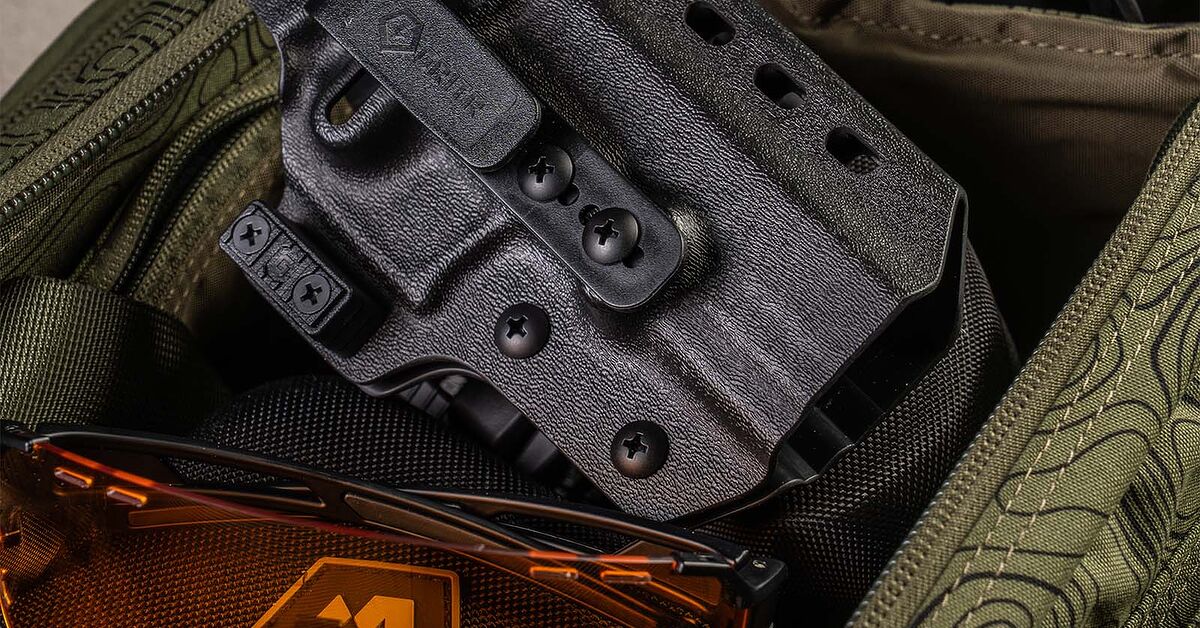
GRITR has launched the OMNI, a modular holster line that starts at $49.99. The system supports IWB, OWB, and AIWB carry straight out of the box. The design lets you change carry position without buying a second holster. The platform accepts popular aftermarket mounting systems, including Safariland QLS and G-Code RTI. Units ship assembled for right-handed shooters. Left-handed carriers can reconfigure them without losing function, according to the company. The release targets shooters who run one holster system across daily carry, range sessions, and training.
Key Details
The OMNI line covers three carry positions from a single modular platform:
- Inside-the-waistband (IWB): the concealed setup for daily carry.
- Outside-the-waistband (OWB): the configuration GRITR points to for range work, training, and competition.
- Appendix carry (AIWB): supported out of the box as a third position.
Pricing begins at $49.99 MSRP. That places the entry point well below many premium Kydex rigs that sell for three figures once you add mounting hardware. The holsters work with aftermarket attachment systems, specifically Safariland QLS and G-Code RTI. Those two systems dominate a large share of modular holster and belt-mount designs on the market, so compatibility matters if you already own mounts. GRITR's own pitch centers on flexibility. The company argues that a single system should adapt to your schedule instead of forcing you to rotate between dedicated holsters. Right-handed units arrive ready to use. Left-handed shooters can reconfigure the same hardware. GRITR's product images and full specifications are on its website at GritrGear.com.
Background
Carry holsters have traditionally been built for one position. An IWB holster rides inside the waistband and conceals well. An OWB rig hangs on the belt, offers faster access, and suits open carry or competition. AIWB, or appendix carry, places the gun in front of the strong-side hip, favored by many shooters for its accessibility while seated. Most owners buy separate holsters for each role, and that stacks up quickly when you add a range rig and a competition setup.
The modular approach is not new. Companies have spent years building holsters around quick-release mounting plates and belt interfaces. Safariland's QLS and the G-Code RTI system both allow an owner to swap a holster body onto a belt or a mount without rethreading the belt each time. Their popularity came from practical value: one belt setup and interchangeable components. The OMNI line applies that logic to the holster body itself, taking the concept of a single platform that serves multiple carry methods and pairing it with a budget-friendly price point.
Why It Matters for Gun Owners
The biggest winner here is the owner who carries daily and trains on weekends. Right now, that shooter likely owns at least two holsters and a belt or mount for each. A system that handles IWB and OWB from one platform cuts the number of parts in your range bag. It also reduces the chance you carry the wrong holster into a situation you did not plan for.
Left-handed shooters have historically dealt with fewer options and longer waits for ambidextrous designs. A reconfigurable holster that ships right-hand ready and converts without losing function fills a real gap. Check the conversion steps before you buy, and confirm which hardware you need for your preferred position.
Owners who already run QLS or G-Code RTI mounts should check compatibility against their specific belts and attachment hardware. Buy one holster first and test it in your normal draw, sit-down, and reholster drills before committing to a full set. Pay attention to retention, cant, and how the holster sits in each position. A cheap holster that fails under load costs far more than the price difference.
DownRange Analysis
A holster is not a regulated item under federal law, so there is no legal question here. The product lives in the same space as any other accessory, and the buyer's concern is performance. Bruen changed the legal framework for carry permits, but it did not change the rules on what kind of holster you can use. The fight that matters for you is about whether you can carry at all, and that battle does not involve OMNI.
The market angle is more interesting. Modular systems are pushing holster makers to sell one platform instead of a catalog of single-use rigs. A $49.99 entry point will pressure premium competitors to justify higher prices with better materials, retention, or fit. Expect more holsters built around standardized mounts, and expect buyers to demand conversion without tools.
What should you do right now? If you carry daily, test any new holster with your actual gun, your actual belt, and your actual clothes. Do not trust a product photo. If you already own QLS or G-Code RTI hardware, the OMNI line is worth a look as a cheap second position. Otherwise, wait for independent testing on retention and durability before you commit your carry gun to it.