Towns Push New Gun Store Rules After Moral Pressure Fails
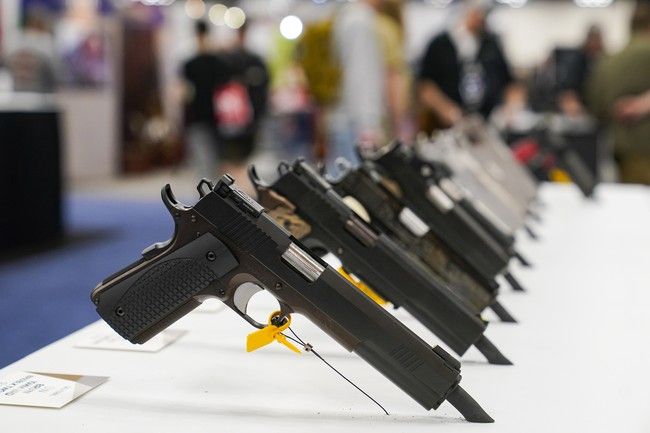
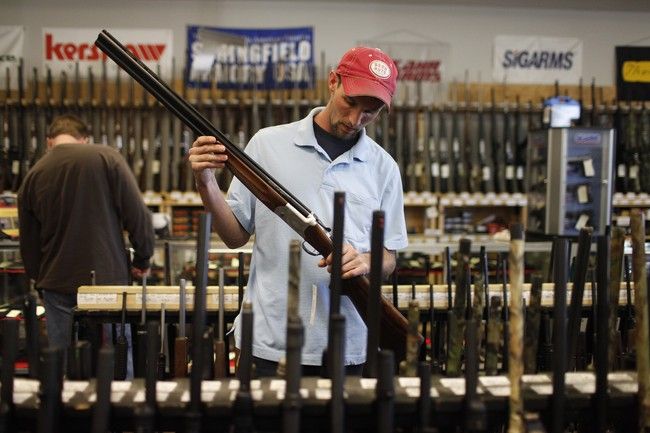
Local governments are moving from public pressure campaigns to formal regulations targeting gun store operations. The shift reflects frustration with failed guilt-based strategies and reveals a fundamental misunderstanding of how firearms retailers operate compared to alcohol vendors. Municipalities are now drafting ordinances that apply alcohol-retail logic to gun shops—a category error with real constitutional implications.
Key Details
- Gun stores operate under fundamentally different premises than alcohol retailers. Firearms are sold but not consumed on-site; alcohol can be.
- Towns previously attempted shame campaigns and moral pressure to discourage gun sales. These efforts produced minimal results.
- Regulatory response now treats guns and alcohol as equivalent retail categories despite operational and legal distinctions.
- New ordinances are being drafted by multiple municipalities, suggesting coordinated or copycat enforcement strategies.
Why It Matters for Gun Owners
This regulatory shift threatens the viability of independent gun stores in municipalities hostile to the Second Amendment. When local governments classify firearms retail the same as liquor sales, they justify restrictions that don't align with how gun shops actually function. Carry permit holders, shooters, and collectors who depend on local FFLs face potential closures if towns impose alcohol-derived zoning, licensing, or operational mandates. The playbook is predictable: ordinances will likely mandate distance requirements from schools or residential areas, restrict hours, impose staffing requirements, or demand insurance thresholds. Gun owners in anti-2A jurisdictions need to document these ordinances and contact local advocates before implementation.
DownRange Analysis
This regulatory approach faces serious Bruen vulnerability. The Supreme Court's 2022 ruling requires historical grounding for gun regulations. Applying alcohol-retail restrictions to firearms sales lacks historical precedent—the Founders didn't regulate armories the way they licensed taverns. Towns betting on this strategy are essentially admitting their moral arguments failed and they're now grasping for legal cover. Gun owners should track which municipalities are drafting these ordinances and file comments opposing the false equivalence. The real target isn't public safety—it's making gun retail so difficult that stores close voluntarily. Expect litigation within 18 months if any town codifies these rules.