AI and Mass Surveillance Threaten Gun Owner Privacy Rights
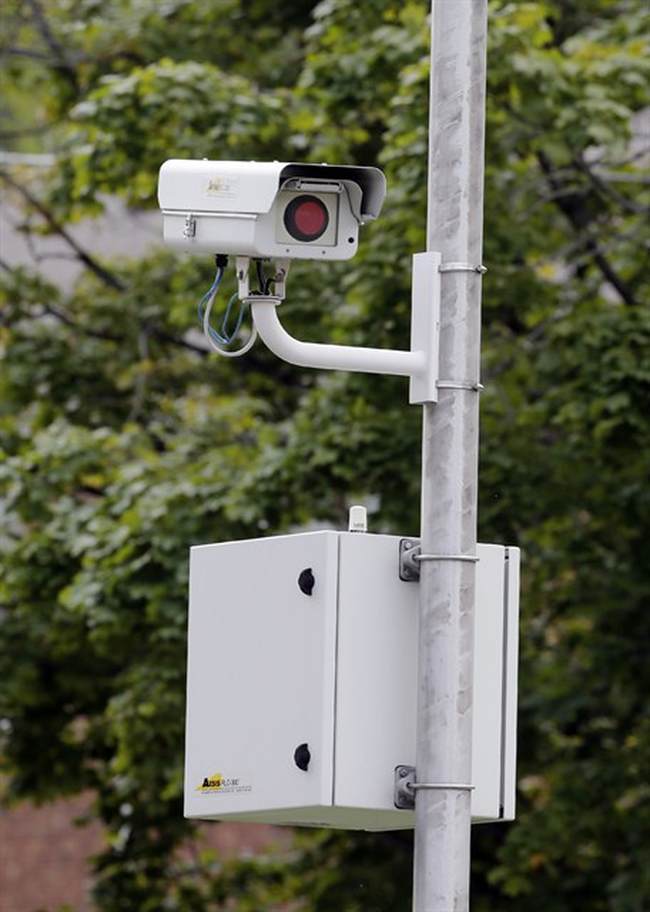
Facial recognition cameras paired with artificial intelligence create a tracking apparatus that gun owners cannot escape. Unlike traditional surveillance, AI systems operate continuously, cataloging movements, transactions, and associations without warrant or consent. Government agencies and private entities now possess the technical capability to monitor every gun purchase, range visit, and interaction with firearm-related businesses in real time.
Key Details
- Facial recognition technology identifies individuals across thousands of cameras with accuracy rates exceeding 99 percent in optimal conditions.
- AI algorithms can correlate gun store visits, ammunition purchases, and shooting range attendance across multiple data sources.
- License plate readers track vehicle movements, creating location histories that reveal Second Amendment exercise patterns.
- Private retailers increasingly install surveillance systems that feed into broader data ecosystems sold to third parties and government agencies.
- No federal law currently restricts how law enforcement uses facial recognition or surveillance data against gun owners specifically.
Why It Matters for Gun Owners
Surveillance technology fundamentally alters the calculus of exercising Second Amendment rights. Gun owners who visit ranges, attend matches, or purchase firearms now create permanent digital records accessible to hostile jurisdictions and ideological enforcement actors. A California resident competing in precision rifle matches generates data that anti-gun prosecutors could use to justify targeted enforcement. Someone purchasing ammunition in a constitutional carry state leaves a transaction trail that could haunt them if they relocate to a restrictive state. Even lawful, repeated firearm purchases trigger algorithms designed to flag patterns rather than actual crimes. This chilling effect operates without arrest, charges, or trial—pure algorithmic suspicion.
DownRange Analysis
The Bruen standard requires historical grounding, but surveillance technology is too new to have 18th-century analogs. Courts struggle applying constitutional frameworks to problems the Founders never imagined. This gap creates vulnerability: governments will argue surveillance isn't a taking of rights, merely observation of them. Gun owners should assume zero privacy in digital transactions. Use cash for ammunition where possible. Avoid creating location histories near ranges in anti-gun states. Do not assume VPN or encrypted communication tools provide protection against physical surveillance. Demand your state legislature enact explicit statutes prohibiting facial recognition use against lawful gun owners. This is a structural threat that individual rights litigation alone cannot solve.