NRA's Free Range Support Program Remains Unknown to Operators Who Need It Most
The National Rifle Association operates a Range Technical Team that provides free assistance to shooting ranges and gun clubs across America. Most range owners have never heard of it. The program actively recruits volunteers with operations, engineering, safety, or management experience. If you run a range or want to donate expertise, this team needs you now.
The NRA Range Technical Team offers zero-cost technical guidance on facility planning, safety protocols, and operational standards. The service exists as an internal NRA resource but remains largely invisible to range operators struggling with real problems. Zoning battles, noise complaints, liability insurance, EPA regulations, and aging facilities plague range operators daily. A technical team with actual range experience can accelerate solutions.
The recruiting push indicates the team is understaffed relative to demand. That shortage signals opportunity—ranges actively seek this help.
Why It Matters for Gun Owners
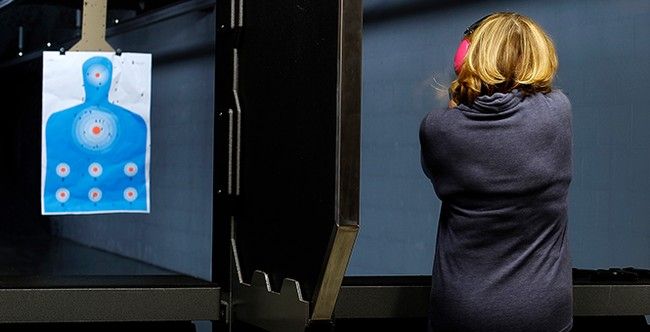
A well-run range directly determines your access to training, practice, and community shooting. Ranges struggling with safety compliance, expansion plans, or regulatory issues sometimes close or restrict hours. When facilities shut down or cut operations, gun owners lose shooting access. Ranges using NRA technical support tend to operate longer, safer, and with fewer regulatory complications.
For volunteers, this work strengthens shooting infrastructure without board meetings or political entanglement. You apply expertise directly where it solves problems. For gun owners, the practical outcome is straightforward: ranges with professional operational guidance stay open and operational.
Contact the NRA Range Technical Team if your local range is expanding, struggling with compliance, or facing operational headaches. Range operators should request layout reviews, liability reduction strategies, and regulatory guidance. Gun owners benefit when their facilities have professional support navigating complex operational requirements.
Background
Range operations have grown more complicated over decades. Environmental regulations tighten. Insurance requirements increase. Zoning boards scrutinize shooting facilities with suspicion. Community pushback over noise and land use intensifies. Simultaneously, range operators often lack formal training in facility management, engineering, or regulatory compliance.
The NRA created the Range Technical Team to fill this gap. Volunteers and staff provide guidance on acoustics, drainage, berming, facility layout, safety systems, and liability management. The program offers real solutions to common problems.
Despite these services, awareness remains low. Many range operators still struggle alone through problems the team could solve in weeks instead of months. The NRA's recruiting effort suggests internal recognition that this gap costs the shooting community valuable facilities.
Range closures hit gun owners hardest. Each shuttered range reduces training opportunities, increases travel distance to practice facilities, and weakens local shooting culture.
DownRange Bottom Line
The NRA Range Technical Team exists and works, but invisibility limits its impact. If you operate a range, contact them. If you have range operations, engineering, safety, or management skills, volunteer. If you shoot regularly, ask your range operator whether they use NRA technical support. Ranges with professional guidance survive regulatory challenges and operator transitions better than those flying solo.
Strong shooting facilities require strong operations. The NRA provides free help to build that. Take advantage of it.