Static Range Shooting Gets Boring Fast
Most gun owners eventually exhaust the appeal of punching holes downrange from a stationary position. After months or years of lane shooting at your local range, you hit a plateau. Your fundamentals are solid. Your groups are tight. But you're not learning anything new.
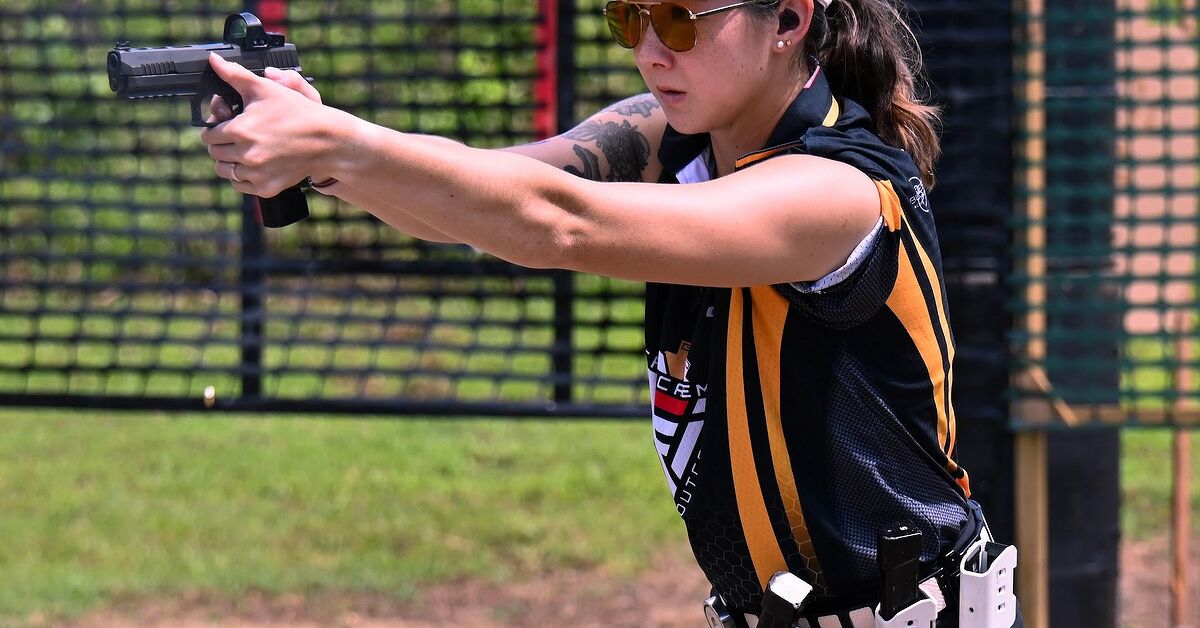
Competitive shooting—specifically USPSA (United States Practical Shooting Association) matches—forces you to apply skills under pressure. You move. You shoot from varied distances and positions. You reload under time constraints. Real-world training beats static drills every single time.
Why It Matters for Gun Owners
USPSA competition builds practical skills that directly transfer to self-defense. You learn to manage recoil while moving. You practice target transitions at speed. You discover how stress affects your accuracy and decision-making.
A USPSA match isn't about being the fastest shooter. It's about being effective under pressure. You'll shoot stages with multiple targets at different distances. Some targets require two hits. Others require one. You'll reload behind cover. You'll shoot from unconventional positions.
This stress inoculation matters. In a real defensive encounter, you won't have time to aim carefully. You won't be standing still. USPSA competition trains your brain and muscle memory to function when adrenaline spikes your heart rate.
Competition also connects you with serious shooters in your area. You'll learn from experienced competitors. You'll see different shooting techniques and approaches. The sport builds community among people who actually train.
Getting Started at Your First Match
Find a match at uspsa.org. Most clubs run monthly events. Entry fees typically run $20-$40. Show up 30 minutes early.
Bring your carry gun or duty gun. Bring a holster you can draw from safely. Bring at least 200 rounds of ammunition. Bring eye and ear protection. Bring water and snacks.
Safety rules are non-negotiable. You'll attend a safety briefing before shooting. The range officer explains each stage. You'll walk through stages unloaded first. Everyone watches everyone else constantly. Muzzles stay pointed downrange. Fingers stay off triggers until the beep.
USPSA uses a scoring system called "accuracy and speed." You get points for accurate hits. Penalties apply for misses or poor hits. Your score divides by the time you took. Higher scores win. Speed without accuracy costs points. Accuracy without speed wastes your advantage.
Don't worry about being slow your first match. Everyone starts somewhere. You'll see shooters finish stages in 20 seconds and others in 90 seconds. Both learn something valuable.
DownRange Bottom Line
USPSA competition isn't about becoming a competitive shooter. It's about becoming a better defensive shooter. You'll train under pressure. You'll learn your gun's capabilities. You'll discover your weaknesses quickly. You'll get faster at making accurate hits while moving.
Your first match will be humbling and fun. You'll shoot against experienced competitors who'll help you after stages. You'll see what real training looks like. You'll want to come back.
Skip the lane shooting for a month. Save that match fee. One USPSA stage teaches more than 100 slow fire repetitions downrange. Get competitive. Get better. Get after it.