Sergeant James Ward Crawled Outside Burning Vickers Wellington at 13,000 Feet
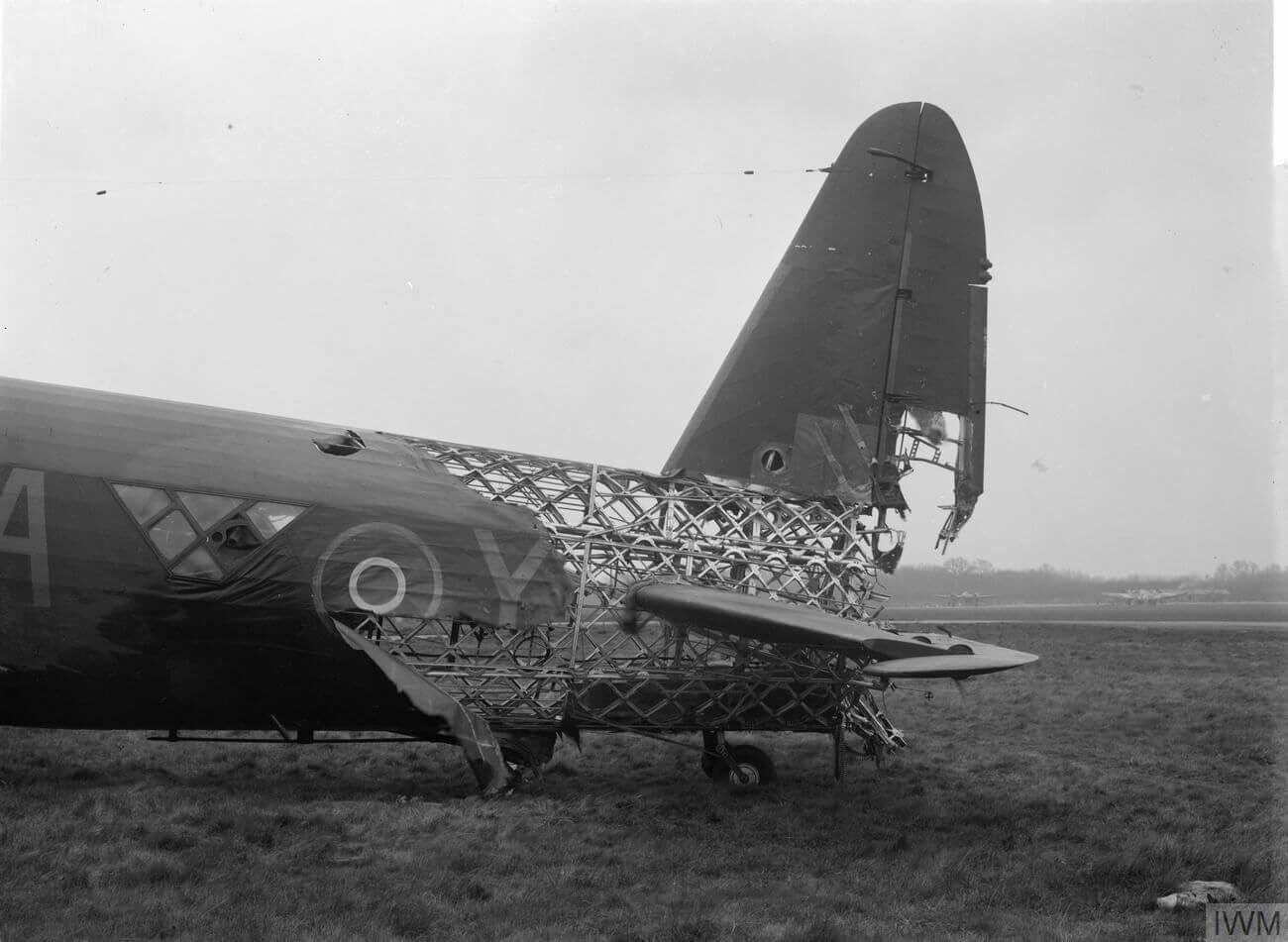
A Vickers Wellington bomber burned over Holland in 1940. Sergeant James Ward, an RAF air gunner, crawled outside the fuselage while the aircraft climbed to 13,000 feet. His target: extinguish flames threatening to destroy the plane and kill his crew. Ward succeeded. The bomber returned to base. His actions remain one of aviation's most audacious survival stories.
Ward faced an impossible choice. Fire erupted in the Wellington's wing root after the aircraft took flak hits during a bombing run. The flames spread fast. Inside the fuselage, the crew watched their options narrow. The pilot couldn't land—altitude was critical for escape. Bailing out meant parachuting over occupied Holland. Ward volunteered to exit the aircraft and fight the fire directly.
He had no safety line. No modern equipment. Just his uniform, determination, and knowledge that failure meant death for six men. Ward crawled onto the bomber's exterior, gripping whatever handholds he found. Wind screamed at 150+ mph. The temperature dropped below freezing. Below him: enemy territory. Behind him: burning metal and fuel.
Ward reached the fire. He used his bare hands and uniform to smother flames consuming the wing root. His body absorbed heat that should have killed him. Minutes felt like hours. His fingers burned. Smoke choked him. The fuselage vibrated around each gust. He kept working. The flames gradually weakened, then died.
Exhausted and badly burned, Ward crawled back inside the fuselage. The crew hauled him back through the hatch. The Wellington continued flying—damaged but controllable. The pilot navigated back to England. They crash-landed at an RAF base. All six crew members walked away.
Why This Matters for Gun Owners and Veterans
Ward's story represents something modern culture rarely celebrates: individual action under impossible pressure. No committee saved that crew. No regulations stopped the fire. One man made a split-second decision and executed it, consequences be damned.
This mentality built Western civilization. Armed citizens defended their families before police existed. Soldiers like Ward didn't wait for permission—they acted. They assessed threats and responded with available tools.
Ward carried no firearm that day. He needed only courage and competence. Yet the principle applies across every defensive scenario. When seconds count and authorities are distant, individuals must trust their judgment. That's why self-reliance matters. That's why training and preparation matter. That's why the right to bear arms protects more than just guns—it protects the principle that ordinary people can handle extraordinary situations.
The Broader Context
World War II produced thousands of documented acts of extreme bravery. Most remain forgotten. Ward's story survived because RAF records documented it thoroughly. He was officially recognized for his actions, though medals seemed inadequate compensation for third-degree burns.
The incident illustrates human capability under stress. Ward trained as an air gunner, not an emergency firefighter. Yet when the moment demanded action, he executed. His hands-on, direct response succeeded because he didn't overthink it.
DownRange Bottom Line
James Ward demonstrates what prepared, decisive individuals accomplish when survival demands action. He had no backup plan. No insurance policy. No institutional support beyond his crew's confidence. He accepted the risk and acted.
That same mentality defines responsible gun ownership. Carriers train, stay alert, and trust their judgment because the moment of need arrives without warning. Ward couldn't debate the fire or request committee approval. He solved the problem with available resources and personal courage.
His legacy isn't military valor alone. It's proof that ordinary people—properly prepared and mentally committed—can handle what others consider impossible.