Maryland Media Manufactures Outrage Over ICE Training at Gun Range
Local Maryland television stations and newspapers sought to manufacture a scandal around Immigration and Customs Enforcement (ICE) conducting training exercises at a private gun range in the state. The media effort illustrates a persistent pattern: outlets fabricating outrage over lawful law enforcement activities that involve firearms, rather than reporting straightforward facts about routine operational training.
Key Details
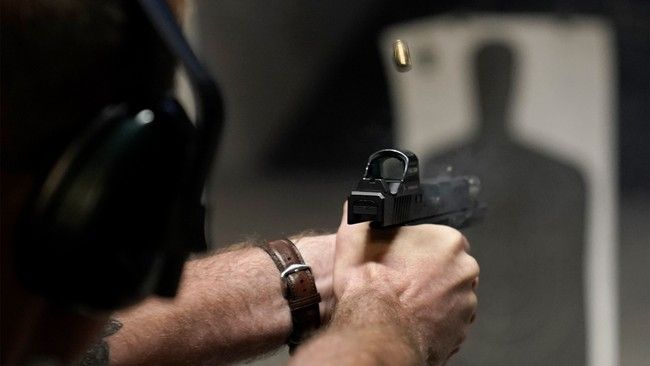
The incident involved ICE personnel using a private Maryland gun range for standard training purposes. Local media outlets characterized the training as controversial, despite the range being a lawful, private facility available for legitimate use by law enforcement agencies. No illegal activity occurred. The training was not covert or hidden from public view. The attempt to generate controversy centered solely on the presence of federal agents training with firearms at an appropriate venue.
Why It Matters for Gun Owners
This story exposes how local media can weaponize coverage of gun-related activities to serve a narrative rather than inform readers. Gun owners and range operators should recognize that even routine, lawful operations—whether law enforcement training, competitions, or private instruction—may face sensationalized reporting designed to manufacture public concern where none exists. Maryland gun owners and range operators should document all activities and interactions with media to protect against mischaracterization. This pattern suggests media outlets are increasingly willing to frame legitimate firearms use as inherently suspicious, which can influence public perception and regulatory decisions in states like Maryland that already maintain strict gun laws.
DownRange Analysis
Local media's attempt to create a controversy where none exists reveals the broader hostility toward firearms in mainstream journalism. ICE training at a private range is unremarkable—federal agencies routinely train at civilian facilities nationwide. The fact that Maryland media felt compelled to hunt for outrage suggests editorial bias rather than news judgment. For gun owners, this reinforces a critical lesson: assume hostile coverage and manage information accordingly. Range operators should have clear policies on media access and public communications. The real story here isn't the training—it's the media's willingness to manufacture scandal around lawful gun use.