Gulf Cartel Opens Fire on U.S. Coast Guard in Rio Grande Waters
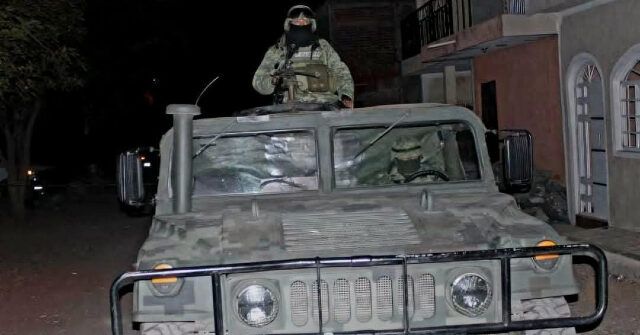
Mexican naval forces deployed 160 ground troops after Gulf Cartel gunmen attacked U.S. Coast Guard patrol boats operating in Rio Grande waters. The direct engagement marks a dangerous escalation in cross-border violence and cartel willingness to confront American law enforcement head-on. U.S. military presence surged at the southern border in response to the shooting incident.
Mexico's Navy announced the troop deployment as a coordinated reaction between both nations. Gulf Cartel operatives—identified as the terrorist organization behind the attack—demonstrated operational confidence and tactical aggression against federal vessels. The exact location and date remain under official review, but the incident occurred during routine Coast Guard patrol operations.
Why It Matters for Gun Owners
This cartel attack on U.S. military assets creates political ammunition for anti-Second Amendment legislators. Border violence gets weaponized by politicians pushing universal registration, red-flag laws, and magazine capacity restrictions. Gun owners in Texas, Arizona, New Mexico, and California already face constant legislative assault tied to border security failures.
Anti-2A advocates will argue cartel violence justifies firearms restrictions on lawful citizens. They'll claim gun owner negligence fuels cross-border criminal networks. The reality: cartel aggression reflects failed border security policy, not lawful gun owner behavior. Separating these narratives matters. Document how cartels operate militarily—they don't acquire weapons through American civilian gun shows. They receive them through military supply chains and corrupt government officials.
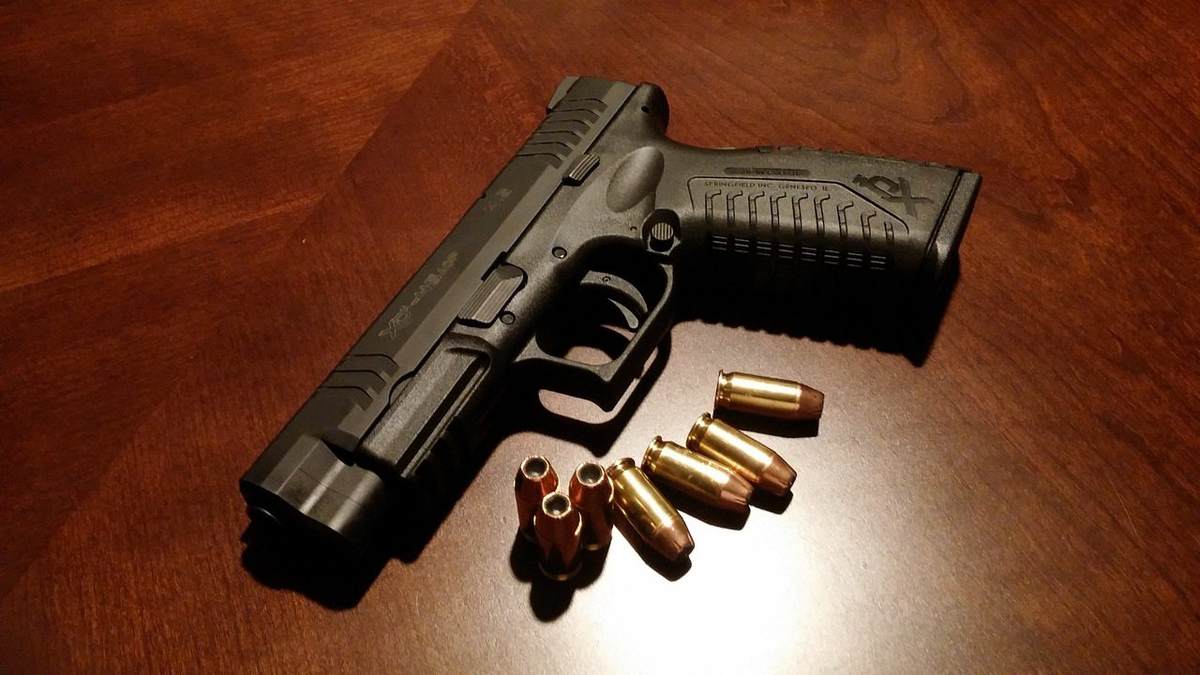
For armed citizens near the border, this incident reinforces fundamental defensive preparedness. Situational awareness increases. Carry ammunition selection—hollow points for reliable expansion in defensive scenarios—becomes practical consideration. Training in low-light conditions and multiple-target engagement gains relevance when cartels demonstrate organized military tactics.
Gun owners should monitor how media and politicians frame this incident. Expect calls for enhanced federal firearms databases, expanded ATF authority, and border state restrictions on private sales. Counter that narrative with facts: cartels operate as military forces, not criminals purchasing firearms retail.
Background: Cartel Military Capability Expanding
Gulf Cartel attacks on U.S. federal forces aren't unprecedented, but direct engagement with Coast Guard vessels marks tactical evolution. Cartels now operate with semi-military structure, command hierarchy, and weapons systems rivaling small nations. They employ IEDs, drone surveillance, and coordinated ambush tactics.
Mexico's Navy has been engaged in sustained operations against major cartels for years. The 160-troop deployment suggests either immediate tactical response or symbolic commitment to joint U.S.-Mexico security efforts. Reality check: Mexican military corruption and cartel infiltration limit sustained enforcement effectiveness.
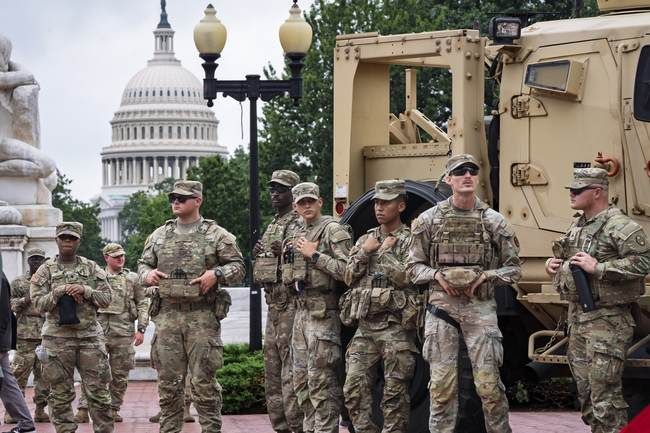
U.S. military positioning at the border follows established protocol for cross-border incidents. Active-duty troops at the southern border operate under strict rules of engagement. Their presence signals federal response without implying direct combat authorization against cartel forces.
DownRange Bottom Line
Cartel firepower openly engaging U.S. Coast Guard vessels proves border security remains broken. Expect this incident to fuel anti-gun legislation disguised as border control policy. Gun owners must separate legitimate security concerns from Second Amendment restriction narratives.
Stay informed on how your state representatives respond. Challenge any legislation linking lawful firearm ownership to cartel violence. Cartels operate as military organizations—they're not gun shop customers. Your defensive rights depend on maintaining that distinction in public discourse.