Massachusetts Question 9 Asks Voters to Repeal Chapter 135
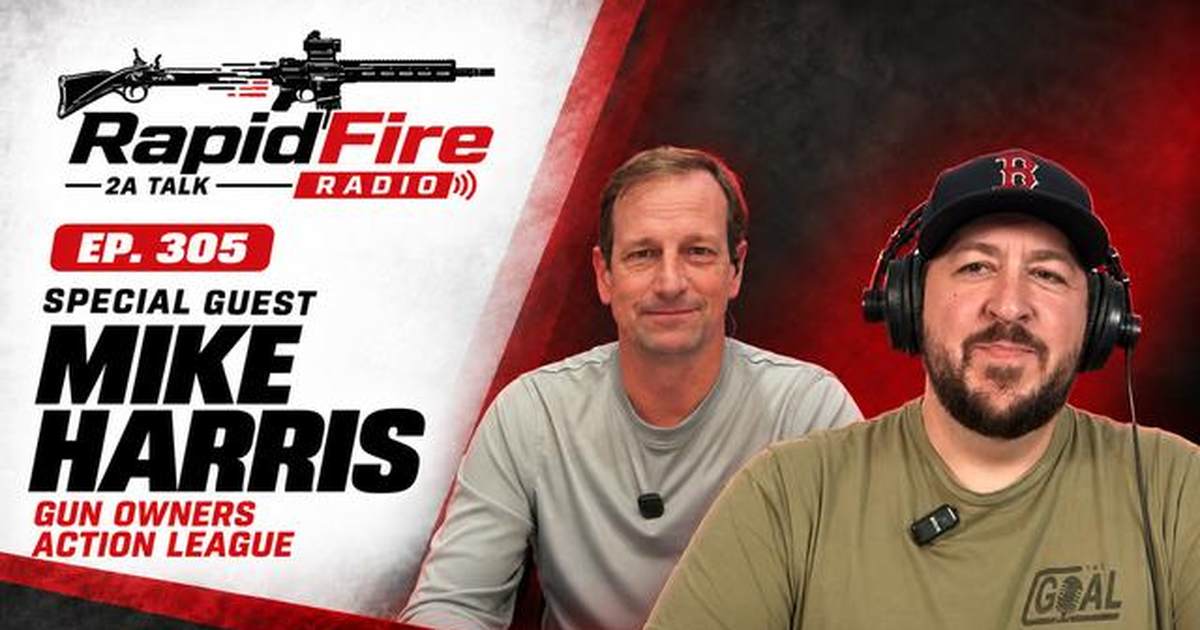
Massachusetts voters will decide in November 2026 whether to repeal Chapter 135, the state's 2024 gun law. Mike Harris of the Gun Owners' Action League (GOAL) explained the referendum on RapidFire Radio Episode 305, hosted by Toby Leary and published by Bearing Arms on October 30, 2026. The conversation covered how the ballot effort started, how the bill moved through the legislature, which constitutional protections apply, and what the outcome means for gun owners in Massachusetts and beyond. The episode was recorded during the campaign ahead of the election. Its description calls the effort the "No on 9" campaign, which makes the ballot wording worth reading closely before you vote.
Key Details
The episode gives a clear snapshot of the fight and the people driving it. These are the verifiable facts:
- Measure: Massachusetts Question 9, a referendum tied to repealing Chapter 135.
- Target law: Chapter 135, the state's 2024 gun statute.
- Election date: November 2026 general election.
- Guest: Mike Harris, representing the Gun Owners' Action League.
- Host: Toby Leary, RapidFire Radio.
- Episode: Number 305, posted at 4:58 PM ET on October 30, 2026. Runtime: 1 hour, 0 minutes, 34 seconds.
- Topics: origin of the referendum, the legislative process, constitutional protections, and the impact on Massachusetts gun owners.
- Campaign label: The episode description refers to the "No on 9" campaign, a label that conflicts with the repeal framing and should be checked against official ballot materials.
The episode does not provide vote tallies, polling figures, or a full legal breakdown. Listeners who want the specifics of the referendum language and the arguments on each side should follow the GOAL materials and the official Massachusetts election resources.
Background
Massachusetts already ran one of the strictest firearm regimes in the country before 2024. Gun owners have long dealt with the licensing framework under Chapter 140, which governs firearm identification cards and License to Carry permits. The state's approach to carry and purchase has drawn steady criticism from gun rights groups for decades.
Lawmakers passed Chapter 135 in 2024 and Governor Maura Healey signed it that summer. The law tightened several areas at once. It expanded the category of restricted firearms, added licensing requirements for ammunition purchases, raised the minimum age for certain firearm purchases, and added new storage and liability provisions. Those changes stacked on top of an existing licensing system, which is why gun owners treated the package as a major escalation rather than a routine update.
Opponents organized a referendum effort to put the law before voters. Ballot questions in Massachusetts let voters repeal or keep a statute passed by the legislature, which is how Question 9 reached the November 2026 ballot. The Supreme Court's 2022 decision in New York State Rifle & Pistol Association v. Bruen reset the framework for challenges, requiring the government to justify modern firearm rules by pointing to the nation's historical tradition of firearm regulation.
Why It Matters for Gun Owners
Massachusetts residents face the most direct impact. If you hold a firearm identification card or License to Carry, your current paperwork and renewal dates still govern your rights today, regardless of the ballot outcome. Check your card's expiration date now. A lapse creates problems no ballot measure can fix on short notice.
Ammunition buyers should pay attention. Chapter 135's ammunition licensing rules affect how and where Massachusetts residents buy ammo. A repeal would change those requirements, but until the result is certified, you should follow the law as written. Shooters who buy online or travel in and out of the state need to verify which rules apply to each purchase.
Gun owners in neighboring states should watch this closely too. Massachusetts has a history of exporting its approach to firearm regulation. Other legislatures often copy its language, so a repeal or a survival of Chapter 135 will shape policy debates well beyond the state line. Retailers and dealers in the state should track the ballot language, because their compliance obligations will shift with the result.
DownRange Analysis
The core question under Bruen is simple. Can the state show that licensing ammunition and expanding restricted categories fits within the historical tradition of firearm regulation? Courts have not settled that question across the board, and the answer will vary by provision. Ammunition licensing draws the sharpest scrutiny because the founders never regulated ammunition purchases that way. A repeal would remove the question from the statute books. A survival at the ballot box would leave the challenges to the courts.
The ballot fight also carries a market signal. Restrictive laws push buyers toward out-of-state dealers, online retailers, and stockpiling. Expect ammo demand to spike around major legislative and electoral milestones, as it has in other states. Plan purchases with that in mind.
Here is what to do right now. Confirm your FID or LTC status. Read the exact Question 9 language on the Massachusetts Secretary of the Commonwealth's site, not a summary. Register to vote if you have not, and check your registration before the deadline. If you care about the outcome, contribute to the campaign that matches your position, and talk to neighbors who may not follow the issue. Voters decide this, not the commentators.