A proposed bill would make open carry at polling places a form of election interference.
A new bill would classify open carry of a firearm at a polling place as election interference. The proposal treats a visible holstered handgun near a ballot box as a threat to the voting process itself. Gun owners should pay close attention, because the language could reach far beyond the cases lawmakers describe.
Many states already restrict firearms at polling places. Many polling locations are also gun-free zones for the rest of the year, usually because they are schools, churches, or community centers with their own posted rules. But plenty of places remain where a lawful permit holder can carry while casting a ballot. That gap is what this bill targets.
Why It Matters for Gun Owners
The core issue is the label. Calling lawful open carry "election interference" shifts the debate from firearms policy to election integrity. That framing carries real weight. Prosecutors, election officials, and courts can read such a term broadly, and a carrier who has done nothing wrong could find himself facing charges meant for fraud or coercion.
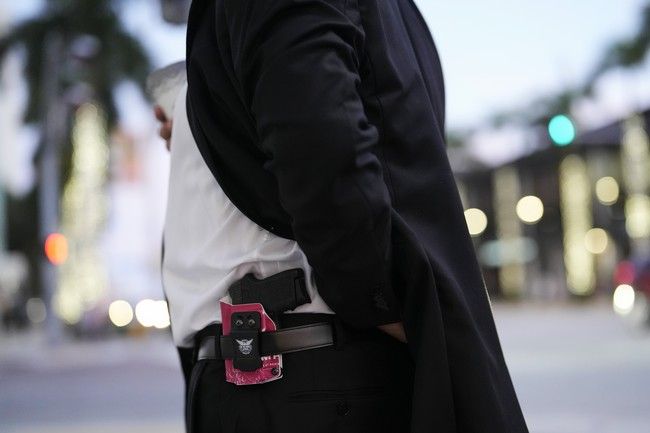
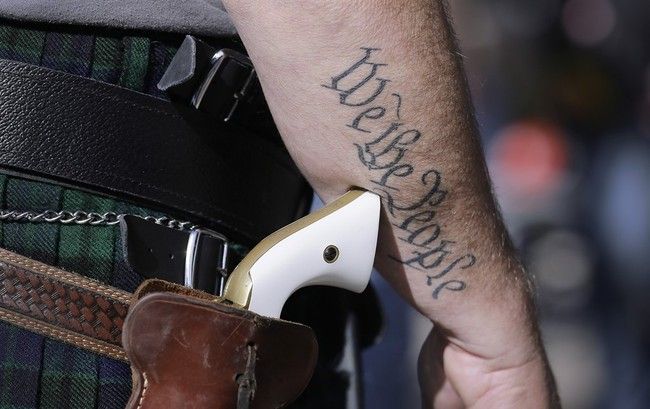
Open carry is already legal in most states, and most open carriers never cause a problem. A person who stands in line with a holstered sidearm is exercising a right, not intimidating voters. Yet the bill's wording would let a single complaint from a nervous poll worker trigger an investigation. Even a short detention or a removal from the line can disrupt a voter's day and create a public incident that makes all carriers look dangerous.
Concealed carriers face less exposure because their firearms are not visible. Still, the precedent matters. If lawmakers can redefine lawful carry as election interference in one setting, they can do it in others. Owners who carry to work, to church, or to a family event should watch how this language develops.
Background
Election law has long restricted firearms near polling sites. Many states ban carry inside polling places outright, and some extend the ban to a buffer zone outside the entrance. These rules usually target the polling place itself, not the broader act of carrying in public. The new bill moves beyond that tradition by creating a separate offense tied to election outcomes.
Supporters of such measures argue that visible firearms can make voters feel unsafe and can pressure them to vote a certain way or to stay home. Opponents respond that voters already face a range of lawful public presences, and that intimidation requires conduct, not mere possession. Courts in several states have weighed similar questions about buffer zones and intimidation statutes, and the outcomes have varied.
The bill's sponsors have framed it as a narrow fix for a gap in existing law. Critics say the broad language would reach far more than the stated goal. Whether the bill advances will depend on committee action, amendments, and the political mood as the next election approaches.
DownRange Bottom Line
Gun owners should read the actual text before forming a firm opinion. If the bill keeps the word "interference" tied to coercive conduct, its impact may stay limited. If the language lets a holstered firearm alone trigger a charge, every open carrier who votes in a state that passes it will face new risk. Check your state's current polling-place rules now, keep your carry habits consistent with them, and contact your legislators if the wording troubles you.