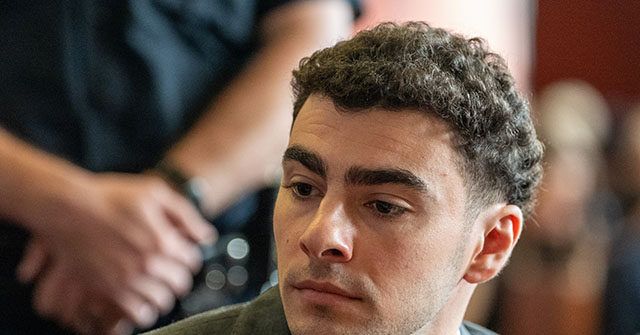
Mangione Pleads Guilty to Shooting UnitedHealthcare CEO Thompson
Luigi Mangione pleaded guilty Friday to two federal charges, including stalking, and admitted to shooting UnitedHealthcare CEO Brian Thompson. The admission resolves federal counts in a case that dominated national headlines for months. Mangione was arrested in Pennsylvania after Thompson's death in New York City and subsequently extradited to face charges.
Key Details
- Mangione entered guilty pleas to federal stalking charges on August 14, 2026
- He admitted responsibility for the fatal shooting of Thompson
- The guilty plea addresses federal charges; separate state charges remain pending in New York
- The case drew intense media attention and divided public opinion over healthcare industry practices
Why It Matters for Gun Owners
This case carries real implications for Second Amendment discourse. The shooting became a flashpoint where some public figures and media outlets effectively justified the killing as political messaging against a corporate executive. Gun owners should recognize how quickly anti-gun narratives can pivot when a high-profile crime fits a particular ideological frame. The guilty plea confirms criminal conduct—not political protest—and establishes federal precedent for firearm-related federal charges. For those carrying or exercising Second Amendment rights, this underscores how individual criminal actions reshape the regulatory environment gun owners operate within, regardless of the shooter's stated motivations.
DownRange Analysis
Mangione's admission settles the factual record but doesn't resolve the broader political weaponization of the case. Pro-gun advocates should note that the federal system moved decisively once charges were clear. However, the case remains a tool for anti-Second Amendment messaging. Gun owners need to understand this shooting will be cited in future legislative pushes for stricter regulations—not because the law failed to prosecute, but because the crime itself gets reframed as indictment of gun availability rather than an individual's criminal choice. Stay alert to state-level legislation introduced in the coming months that cites this case as justification for new restrictions.