Seattle Mayor Maintains Armed Protection While Restricting Civilian Carry Rights
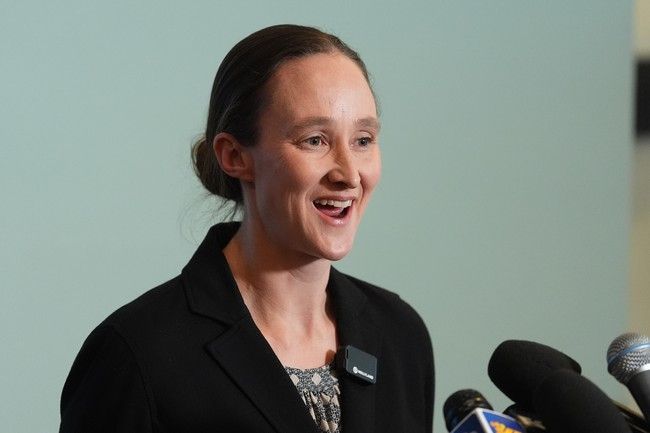
Seattle's newly elected mayor is drawing direct fire from the National Shooting Sports Foundation for advancing restrictive gun policies while maintaining armed security personnel. The NSSF called out the contradiction in late August 2026, naming the hypocrisy as central to Seattle's gun control push. The mayor campaigned on a platform prioritizing strict gun regulations and ammunition taxes—policies that directly restrict what ordinary citizens can carry for self-defense.
This isn't abstract politics. The mayor personally relies on armed security while publicly advocating against civilian firearm ownership. NSSF officials specifically targeted the inconsistency between the mayor's public messaging and private security practices. The pattern reflects a broader movement among West Coast urban politicians who deny citizens self-defense rights while maintaining their own armed protection details.
Why It Matters for Gun Owners
This dynamic reveals how gun control advocates actually operate. They write policy restricting your ability to carry and defend yourself, then hire armed professionals to do exactly what they criminalize for ordinary citizens. In Washington state, Seattle's political dominance translates into real restrictions: concealed carry permit limitations, ammunition purchase taxes, and reduced self-defense options for law-abiding carriers.
Gun owners across major cities face escalating regulations justified by public safety claims. Yet the same politicians imposing those rules don't live under them. They maintain armed security details while telling you that carrying a firearm for protection is dangerous, unnecessary, or irresponsible.
This asymmetry exposes the real agenda. Gun control isn't about universal safety—it's about access disparity and power. Politicians reserve armed protection for themselves while stripping it from citizens. When they argue civilians shouldn't carry firearms for defense, then maintain armed security, they're actually admitting that armed defense works. They just want it exclusive to their class.
For daily carriers in Washington, this matters strategically. The NSSF's public callout weakens the mayor's legal standing. Under Bruen precedent, gun regulations must be grounded in historical tradition and constitutional text—not selective application based on political status. A policy that permits armed protection for politicians but denies it to ordinary citizens fails this test.
Background
Washington state has pushed aggressive gun control measures over the past decade. Seattle's leadership has championed ammunition taxes, expanded background check requirements, and restrictions on magazine capacity. These policies disproportionately affect law-abiding gun owners while criminals ignore them.
The double standard isn't new. From California to New York, anti-gun politicians routinely employ armed security while pushing disarmament policies for everyone else. New York Governor Kathy Hochul carries armed protection while restricting concealed carry permits. California legislators have hired armed bodyguards despite voting for restrictions ordinary citizens face.
The NSSF's August 2026 statement represents a shift in strategy. Instead of debating policy abstractions, the Foundation is naming the hypocrisy directly. This approach has proven effective in exposing the inconsistency between political rhetoric and personal practice.
DownRange Bottom Line
The Seattle mayor's contradiction reveals the true nature of modern gun control: two separate systems of rights. Politicians maintain armed security while restricting civilian carry. This isn't policy—it's privilege.
Gun owners should document these inconsistencies. Every politician who votes for restrictions while maintaining armed protection makes a legal argument for you: if armed defense is good enough for them, it's constitutional for us. The NSSF's public callout shifts debate from abstract safety arguments to concrete hypocrisy. That matters in court. That matters at the ballot box. That matters for your rights as a daily carrier.